‘Campaign for remuneration common’: BJP poll expense data names social media influencers
Source Entity
PRIYANKA DASGUPTA AND TAMAGHNA BANERJEE
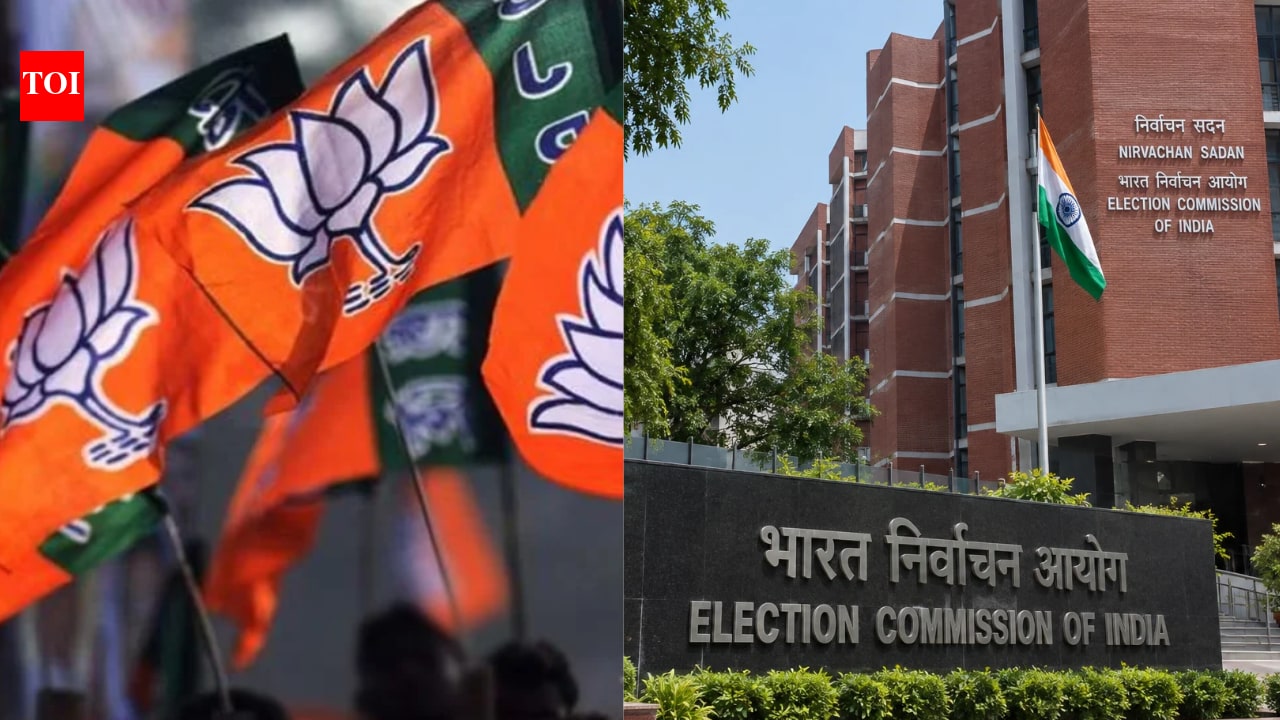
The TMC has accused the BJP of using paid influencers to manufacture religious polarization ahead of West Bengal elections. While the BJP admits to payments for campaign content, several influencers are now embroiled in controversies regarding their activities.
Allegations of Manufactured Polarization in West Bengal
On September 26, 2026, the Trinamool Congress (TMC) launched a scathing attack against the Bharatiya Janata Party (BJP), alleging that the latter orchestrated a campaign of religious polarization ahead of the West Bengal Assembly elections. TMC spokesperson Kunal Ghosh asserted that the BJP utilized social media influencers and YouTubers to spread divisive narratives, specifically citing an incident where a creator claimed to have been served beef at a Kolkata restaurant, an allegation that stoked significant communal tension.
The Financial Trail and Election Expenditure
These accusations follow the public release of the BJP’s election expenditure reports, filed with the Election Commission of India. The data reveals a total expenditure of ₹286.99 crore for the West Bengal Assembly Elections. This transparency has brought the names of several social media influencers into the spotlight, as the TMC claims these payments were not merely for legitimate political promotion, but for the manufacturing of inflammatory content designed to sway voter sentiment along religious lines.
Influencer Involvement and Public Admissions
Several content creators mentioned in the expenditure report have confirmed receiving compensation from the BJP. For instance, influencer Sayak Chakraborty acknowledged receiving ₹2.5 lakh for content featuring Prime Minister Narendra Modi, though he explicitly denied any involvement in the contentious 'Olypub' beef controversy. Conversely, YouTuber Sukanta Kundu admitted to receiving payments and participating in public protests related to the same restaurant incident, highlighting the blurred lines between campaign promotion and grassroots mobilization.
Legal and Ethical Implications of Digital Campaigning
The case of content creator Shamik Adhikary, who reportedly received ₹13 lakh, underscores the growing legal complexities surrounding digital political advertising. Adhikary is currently facing ongoing legal challenges, which raises questions about the oversight of influencer marketing in Indian elections. As political parties increasingly pivot toward social media, the lack of a robust regulatory framework for paid influencer content allows for the potential weaponization of digital platforms to incite controversy.
The Broader Impact on Political Discourse
This incident reflects a broader trend in Indian politics where the battle for electoral victory has shifted from traditional rallies to the highly volatile digital sphere. By paying influencers to adopt specific stances, political entities can bypass traditional media gatekeepers, effectively 'outsourcing' their rhetoric to creators who command loyal followings. This creates a feedback loop of polarization that is difficult to fact-check in real-time.
Future Trends in Election Integrity
Moving forward, the Election Commission of India will likely face increased pressure to bring social media influencers under stricter financial and content disclosure norms. The controversy in West Bengal serves as a case study for the risks associated with opaque digital campaigning. As voters become more adept at identifying sponsored content, the reliance on such tactics may eventually face a public backlash, forcing parties to reconsider the ethical boundaries of their digital outreach strategies.