Police gag media from asking questions to CM Satheesan in Kochi, ACP cites security aspect
Source Entity
India Latest News: Top National Headlines Today & Breaking News | The Hindu
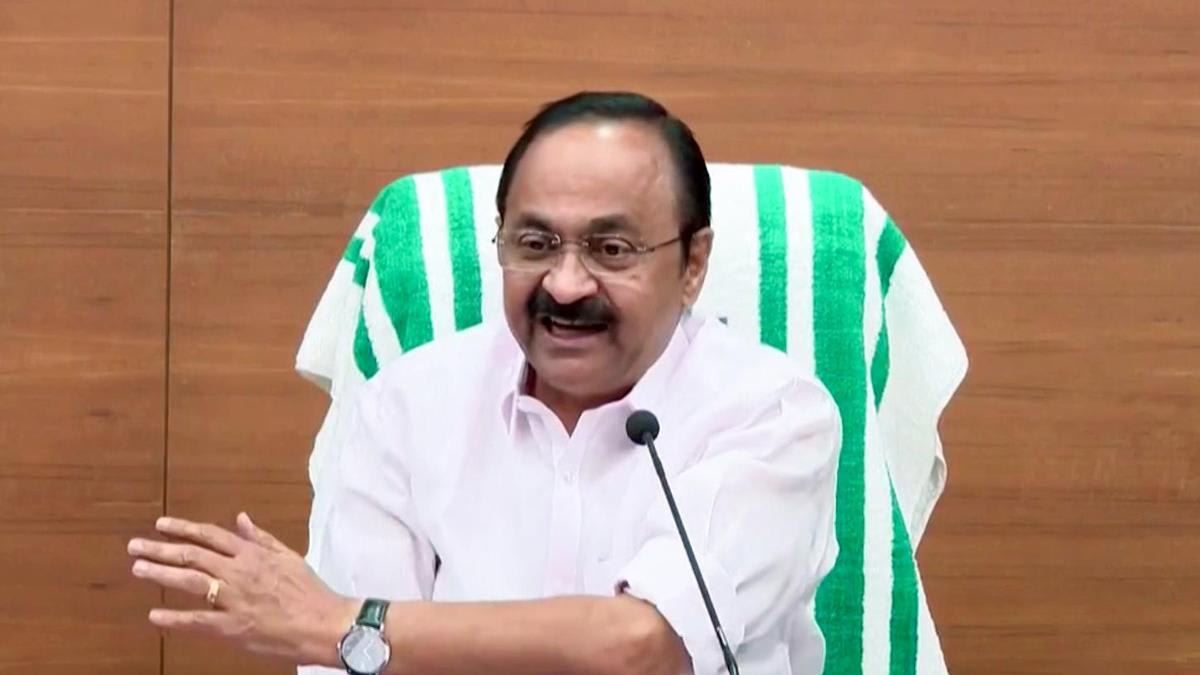
Kochi police prevented journalists from questioning Chief Minister Pinarayi Vijayan at an event, citing his Z-plus security status. The incident has sparked concerns regarding media access and the interpretation of security protocols by law enforcement.
Tensions Over Media Access in Kochi
On September 26, 2026, a significant confrontation occurred in Kochi when local law enforcement restricted media access to Kerala Chief Minister Pinarayi Vijayan. As journalists gathered at a convention center in Kaloor to seek comments from the Chief Minister, they were physically barred from approaching him. This incident highlights a recurring friction point between political leadership and the press, raising questions about the boundaries of public accountability versus state-mandated security protocols.
The Security Justification
Assistant Commissioner of Police (ACP) Peter K.J. of the Ernakulam subdivision was the primary official involved in the restriction. When challenged by the media, the ACP justified the move by emphasizing the Chief Minister's 'Z Plus' security categorization. This specific level of security, typically reserved for high-profile constitutional figures, involves a complex multi-layered protection detail. The police argued that such strict protocols necessitate the maintenance of a buffer zone, which they claim precludes the presence of journalists in close proximity to the dignitary.
Accountability vs. Protocol
Despite the invocation of security, the incident leaves several questions unanswered. When pressed by reporters on whether he had received explicit instructions to gag the media or prevent specific lines of questioning, ACP Peter K.J. did not provide a clear confirmation. His statement—claiming his actions were strictly from a 'security aspect' and denying any personal animosity—underscores the ambiguity often found when security measures are utilized to manage or limit media engagement with elected officials.
Broader Implications for Press Freedom
This event reflects a broader trend where security apparatuses are increasingly being used as a shield against public scrutiny. In a democratic framework, the media acts as a vital bridge between the administration and the citizenry. When security protocols are interpreted in a way that effectively silences journalists, it risks undermining the democratic principle of transparency. The incident in Kaloor serves as a case study for the tension between the state's duty to protect its leaders and the public's right to information.
Historical Context and Future Trends
Historically, the relationship between the Kerala government and the media has been marked by periodic volatility. The use of police personnel to manage, or at times obstruct, media access is not a new phenomenon, but the reliance on 'Z Plus' security as a primary justification for preventing questions is becoming more common. Moving forward, observers expect that media organizations will push for clearer guidelines regarding 'press zones' that balance security requirements with the necessity of holding government officials accountable.
Conclusion
The incident in Kochi serves as a critical reminder of the fragile balance between executive protection and the freedom of the press. While security is an undeniable priority for high-ranking officials, the application of these measures must be transparent and consistent. As the state government continues its operations, the public and media watchdogs will likely remain vigilant, ensuring that security directives are not conflated with efforts to stifle legitimate political discourse.
Verification Required?