This is what happens to your blood sugar after recovering from viral infections
Source Entity
The Indian Express
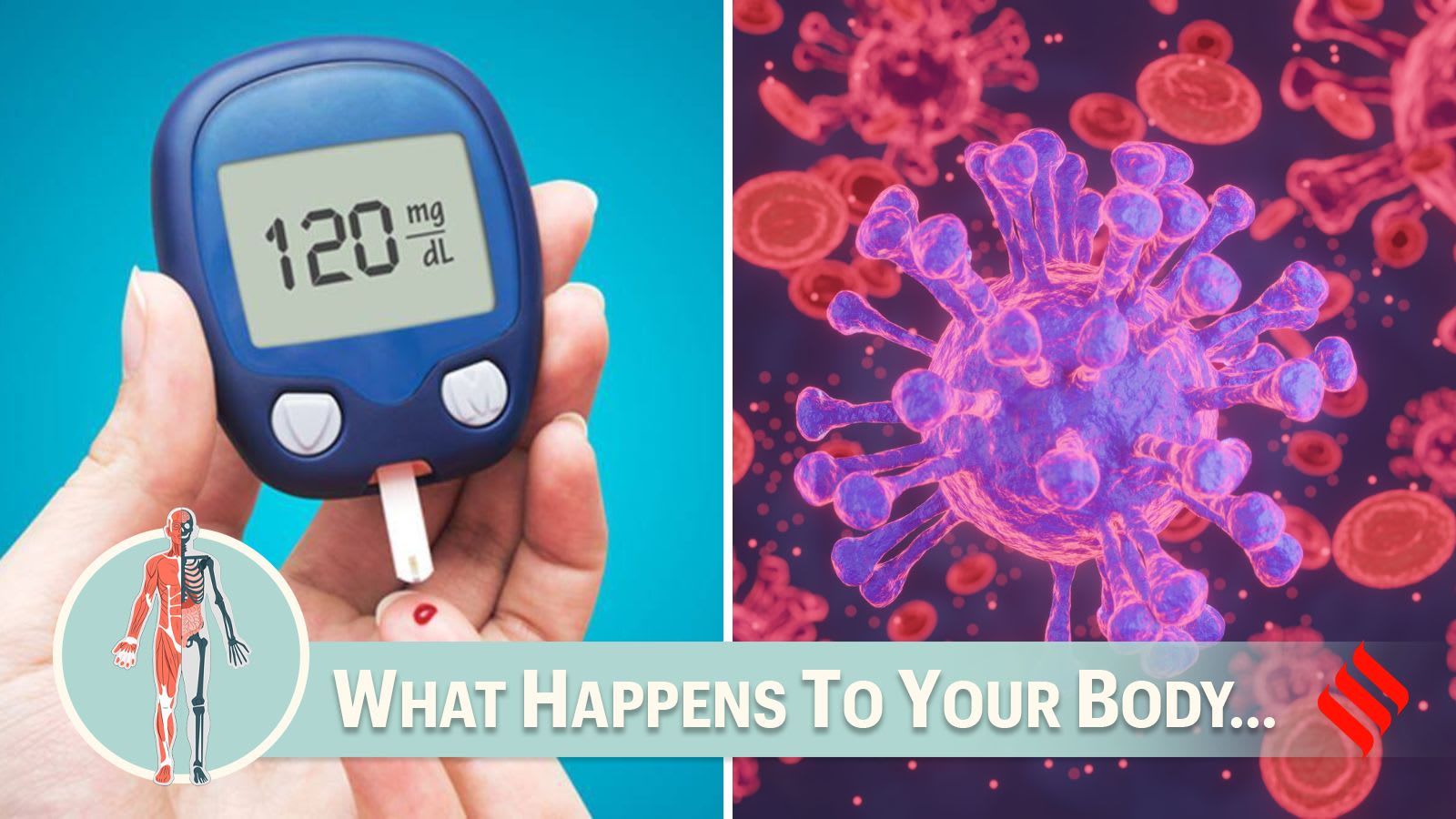
Viral infections can temporarily disrupt metabolic functions and blood sugar regulation due to the body's inflammatory response. While these fluctuations often normalize, they may occasionally unmask pre-existing or undiagnosed metabolic conditions.
The Metabolic Aftermath of Viral Infections
The Physiological Response to Infection
Most individuals associate the recovery phase of a viral infection with lingering fatigue or generalized weakness. However, emerging medical understanding highlights that the body’s metabolic processes undergo significant strain during this period. When a virus invades the system, the body initiates a complex immune response, characterized by the release of stress hormones like cortisol and various inflammatory cytokines. These chemical signals are essential for fighting pathogens but simultaneously disrupt the body’s homeostatic control over glucose regulation.
Mechanisms of Glucose Dysregulation
During an active infection, the body enters a state of heightened metabolic demand. To provide the necessary energy for immune cells to function, the liver may increase glucose production, while peripheral tissues may become temporarily resistant to insulin. This physiological shift is a survival mechanism intended to prioritize immediate immune defense. When this state persists beyond the acute phase of the illness, it can lead to noticeable fluctuations in blood sugar levels that deviate from an individual's baseline.
Unmasking Latent Conditions
One of the most critical implications of post-viral metabolic disruption is the potential to unmask previously asymptomatic conditions. For many, blood sugar levels return to normal once the inflammatory response subsides. However, for others, the stress placed on the pancreas and insulin-signaling pathways may reveal a latent predisposition to metabolic disorders, such as pre-diabetes or type 2 diabetes. In these instances, the infection acts as a catalyst rather than a primary cause, bringing a hidden physiological vulnerability to the surface.
Clinical Perspectives and Monitoring
Because these metabolic changes are often transient, patients may overlook them, attributing persistent thirst, fatigue, or blurred vision solely to the recovery process. Medical experts emphasize that if these symptoms persist, it is imperative to seek professional evaluation. Understanding that metabolism is not isolated from immune function is a crucial step in holistic recovery, as it allows patients and practitioners to distinguish between normal post-viral recovery and signs of metabolic dysfunction.
Future Trends in Post-Viral Care
As we gain deeper insights into the long-term effects of viral illnesses, clinical protocols are likely to evolve to include metabolic screening for patients with chronic or severe infections. Recognizing that viral stress can temporarily alter glucose metabolism allows for more proactive health management. By monitoring blood sugar trends during recovery, patients can gain valuable data regarding their metabolic health, potentially leading to earlier interventions and better long-term health outcomes.