India’s richest civic body is poorer by Rs 1,576 crore as financial reserves dip, dues mount
Source Entity
The Indian Express
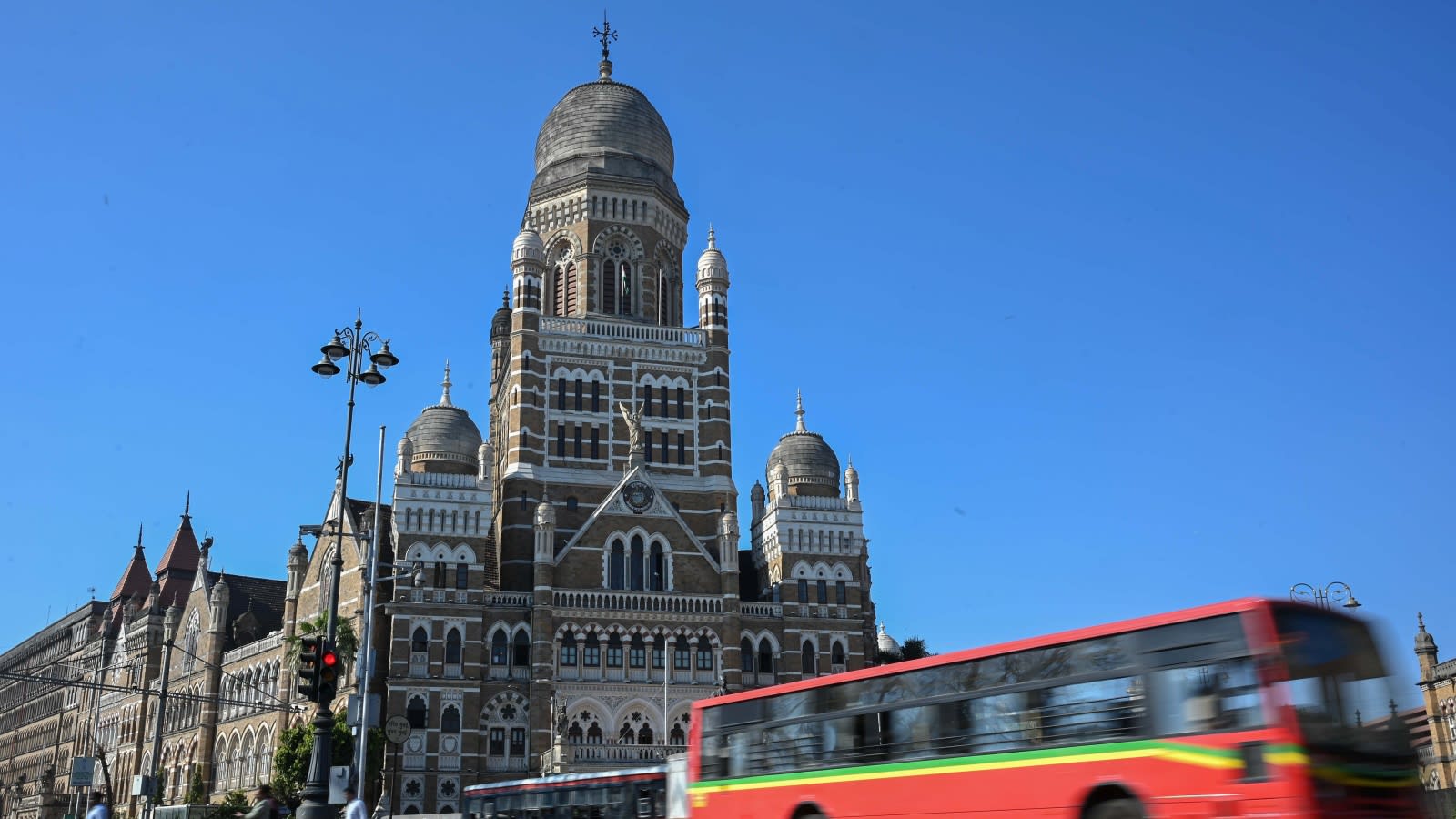
The Brihanmumbai Municipal Corporation (BMC) has seen its financial reserves drop by Rs 1,576 crore in just eight months. This decline, totaling an Rs 11,817 crore reduction over five years, highlights growing concerns over the city's ability to fund its massive Rs 2.34 lakh crore infrastructure agenda.
Financial Strain on India's Richest Municipal Body
The Brihanmumbai Municipal Corporation (BMC), historically recognized as India's wealthiest civic body, is currently facing a significant fiscal challenge. Recent financial reports indicate that the corporation's reserves have dipped by Rs 1,576 crore over an eight-month period, falling from Rs 81,449 crore in February to Rs 79,873 crore by October 31, 2026. This contraction is not an isolated incident but rather the latest development in a concerning five-year trend that has seen total reserves shrink from Rs 91,690 crore in 2021 to current levels—a total decline of Rs 11,817 crore.
The Weight of Infrastructure Commitments
At the heart of this fiscal tightening are the mounting financial commitments toward major infrastructure projects. With liabilities now reaching an estimated Rs 2.34 lakh crore, the BMC is balancing the necessity of urban modernization against a diminishing financial cushion. These projects, designed to overhaul Mumbai’s aging urban landscape, require massive capital expenditure, which is increasingly straining the civic body's liquidity and long-term financial health.
Analyzing the Five-Year Trend
The steady erosion of reserves over the last half-decade suggests that the BMC is operating under a model where capital outflow consistently outpaces revenue generation. While the BMC has historically relied on various tax streams and development charges, the sustained downward trajectory of its reserves raises critical questions about the sustainability of its current fiscal management strategy. As the gap between available funds and project costs widens, the civic body faces the challenge of maintaining service standards without depleting its safety net further.
Broader Implications for Mumbai
Mumbai’s status as a global financial hub makes the BMC’s financial health a matter of macroeconomic importance. A weakened municipal treasury could potentially lead to delays in critical infrastructure, affecting urban mobility, sanitation, and public services. If the trend of shrinking reserves continues, the BMC may be forced to consider alternative financing models, such as increased borrowing or public-private partnerships, to bridge the massive gap in its capital expenditure requirements.
Future Outlook and Fiscal Sustainability
Looking ahead, the BMC must navigate a complex path to restore fiscal balance. The immediate challenge is to reconcile the ambitious Rs 2.34 lakh crore infrastructure pipeline with the reality of a shrinking reserve base. Future financial stability will likely depend on the BMC’s ability to optimize expenditure, improve revenue collection efficiency, and potentially re-evaluate the prioritization of its ongoing projects to ensure that essential services are not compromised by long-term debt burdens.