Amid heat and pollution, BMC prunes gardens budget even as 200 wait for repairs
Source Entity
Pratip Acharya
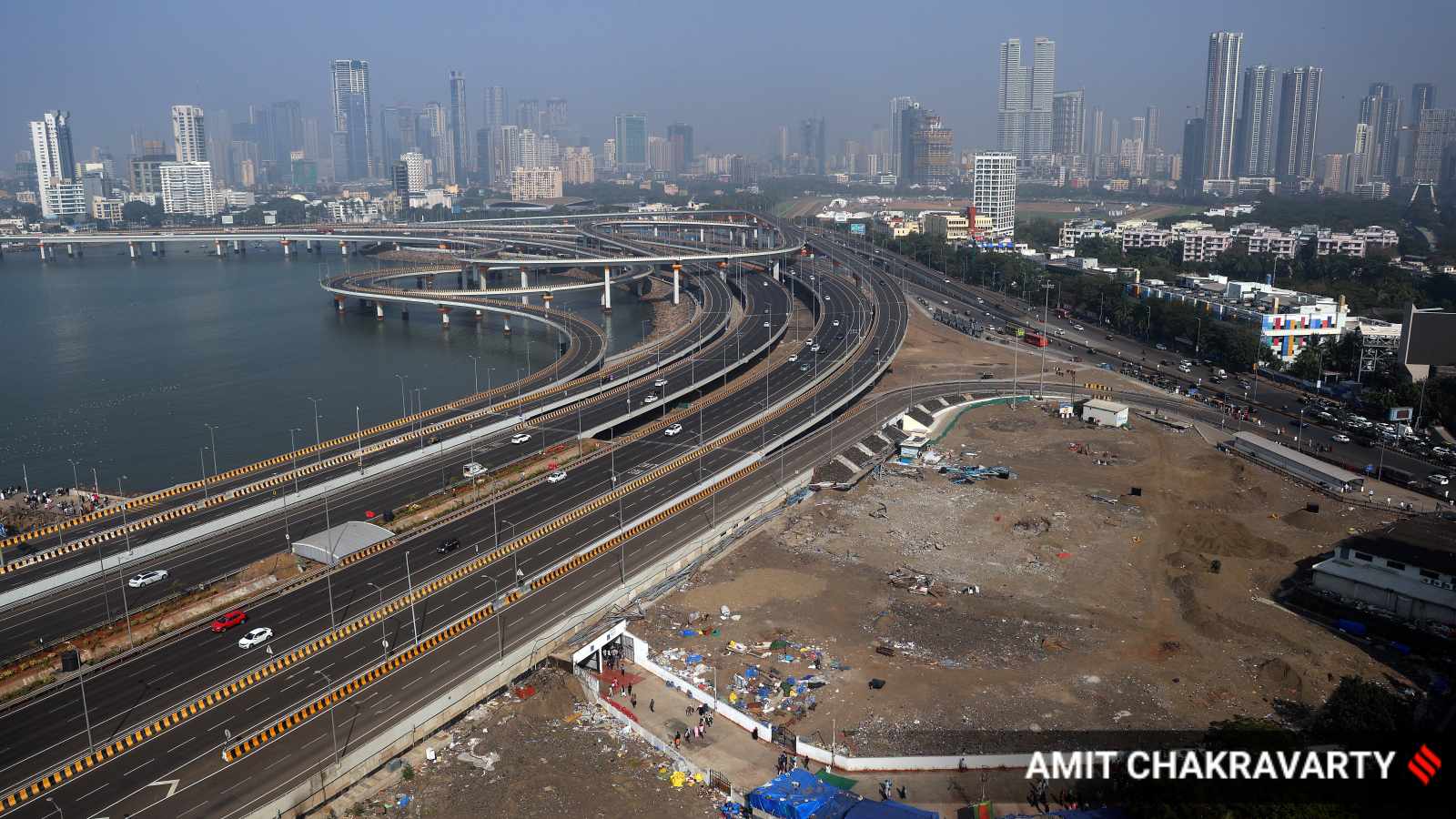
The Brihanmumbai Municipal Corporation (BMC) has significantly reduced its budget for the garden and trees department despite a critical need for 200 new or repaired green spaces. This funding shortfall hinders Mumbai’s ability to mitigate rising heat and air pollution levels.
The Green Deficit: Mumbai’s Struggle with Urban Infrastructure
Mumbai, a city already dense with concrete and struggling with extreme environmental pressures, is facing a growing crisis in its urban planning priorities. As residents grapple with soaring temperatures and deteriorating air quality, the city’s primary natural buffers—its gardens and open spaces—are suffering from a severe lack of investment. Recent records indicate that the Brihanmumbai Municipal Corporation (BMC) currently faces a backlog of 200 projects requiring construction or urgent repairs, yet these initiatives remain stalled due to a persistent financial crunch.
A Pattern of Declining Investment
The fiscal trajectory of the BMC’s garden and trees department reveals a troubling trend. Over the past five years, the budget allocated to this vital department has seen a consistent decline. This reduction in funding is particularly alarming given the department's mandate to foster and maintain the city’s green cover. By shrinking the financial resources available for horticultural development, the civic body is effectively limiting its own capacity to combat the urban heat island effect, a phenomenon where concrete-heavy cities trap heat, leading to significantly higher temperatures than surrounding rural areas.
The Impact of Stalled Projects
The scale of this neglect is quantified by the 210 requests submitted by elected representatives, including MLAs and corporators, seeking the development of parks and green zones. These requests represent a grassroots demand for improved public health infrastructure, yet they remain largely unaddressed. When gardens are left in a state of disrepair or are never constructed, the city loses its most effective tool for natural carbon sequestration and air filtration, leaving citizens more vulnerable to the pollutants that plague the metropolitan air quality.
Environmental and Public Health Implications
The intersection of extreme heat and poor air quality creates a hazardous environment for Mumbai's residents. Green spaces serve as 'lungs' for the city, providing necessary shade and acting as filters for particulate matter. By failing to prioritize the maintenance of these spaces, the BMC is inadvertently exacerbating public health risks. The inability to repair or build these 200 locations means that neighborhoods remain devoid of cooling retreats, increasing the stress on vulnerable populations, including the elderly and those with respiratory conditions.
Future Outlook and Policy Challenges
Looking forward, the BMC must reconcile its fiscal management with the urgent necessity of climate adaptation. If the budget for the garden and trees department continues to decline, the city risks long-term ecological degradation that will be far more costly to reverse than the current price of maintenance. To secure a sustainable future, policymakers must view green infrastructure not as a luxury or a secondary expense, but as a critical public health utility that requires consistent, non-negotiable funding.
Conclusion
In summary, the current funding crisis within the BMC represents a significant policy failure regarding urban environmental management. With 200 projects pending and a shrinking budget, Mumbai stands at a crossroads. Addressing this backlog is essential to ensuring that the city can provide its residents with the environmental resilience needed to survive and thrive in an era of intensifying climate challenges.