Exchanged cash, and a ‘chemical trap’: How ACB caught a Bengal official taking Rs 20k bribe
Source Entity
Sweety Kumari
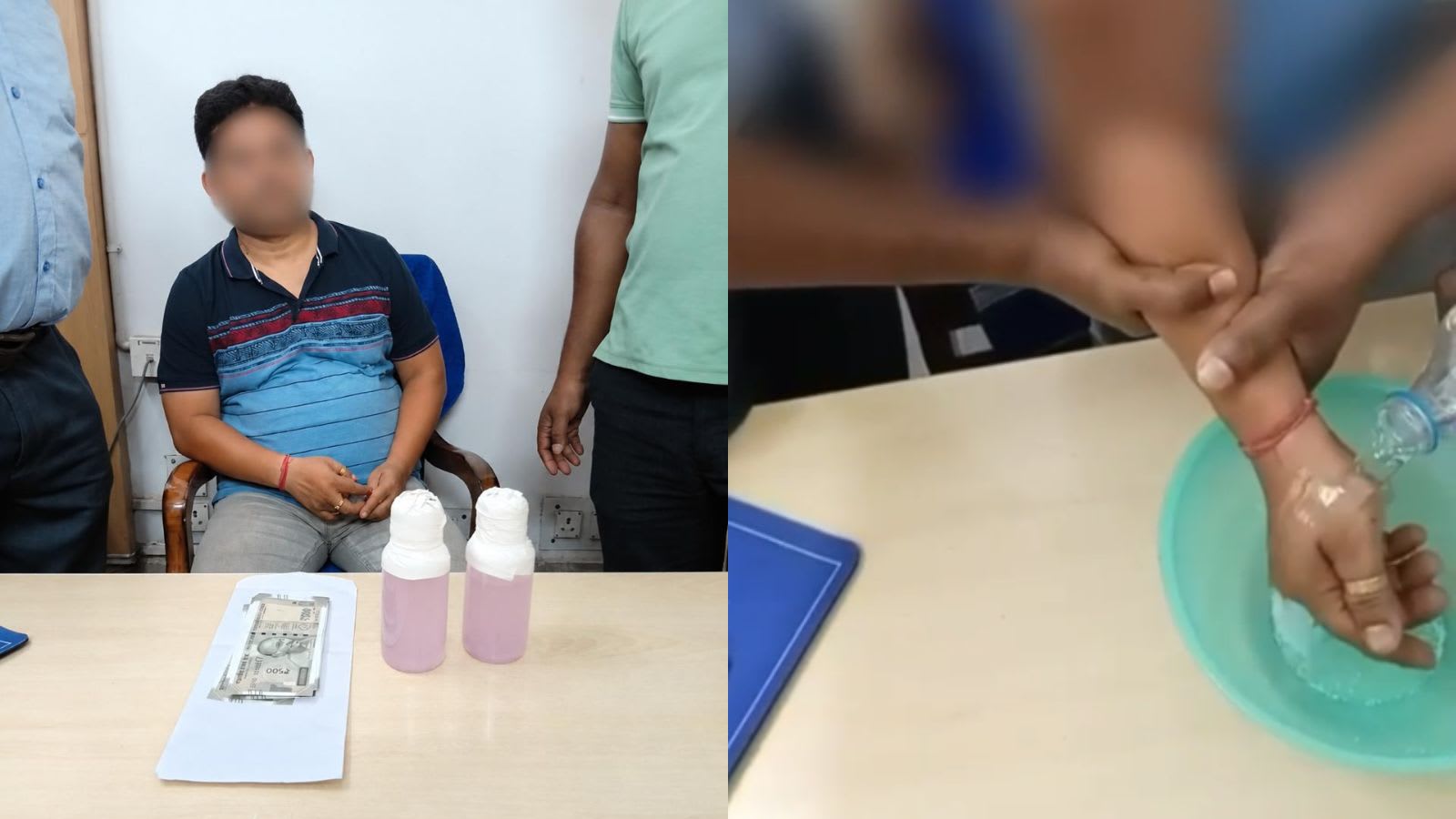
Anti-corruption authorities in Gujarat and West Bengal have arrested two government officials for soliciting bribes. These separate sting operations highlight ongoing efforts to curb bureaucratic corruption in medical and public infrastructure sectors.
Systemic Corruption in Public Administration: A Two-State Analysis
Recent enforcement actions by the Anti-Corruption Bureau (ACB) in Gujarat and West Bengal have brought the persistent issue of bureaucratic graft into sharp focus. In Gujarat, Dr. Rahim Ibrahim Memon, a Class-1 Medical Superintendent, was arrested for extorting money from students under his supervision. Simultaneously, in West Bengal, a Sub-Assistant Engineer was apprehended while demanding illegal gratification to process a routine financial refund for a contractor. These incidents, while geographically distant, underscore a common vulnerability in India's administrative framework: the abuse of discretionary power for personal gain.
The Exploitation of Power in Medical Education
In the case of the J S Chauhan Civil Hospital, the exploitation of medical students who were performing mandatory rural service reveals a disturbing breach of professional ethics. By demanding Rs 5,000 per student under the threat of "harassment," the accused allegedly leveraged his position of authority to create a coercive environment. This case highlights how institutional hierarchies, if left unchecked, can facilitate predatory behavior against those who are in a subordinate position, such as interns or junior medical staff completing their service requirements.
Bureaucratic Roadblocks and Extortion
In West Bengal, the arrest of a Sub-Assistant Engineer attached to the WBSRDA demonstrates the friction between public infrastructure projects and administrative integrity. The contractor in question, having completed a Rs 1 crore road project, was forced to contend with a demand for Rs 20,000 simply to receive back his own Earnest Money deposit. This reflects a broader systemic issue where officials exploit the "release" phase of government contracts, turning standard administrative procedures into profit-making opportunities.
The Efficacy of the 'Chemical Trap'
Both cases highlight the critical role of modern trap operations in combating corruption. The use of chemical-laced currency, which leaves telltale marks on the hands of the perpetrator, remains a gold-standard investigative tool for state ACBs. By relying on complaints from victims—whether they be students or contractors—the authorities are successfully utilizing proactive intelligence to catch officials in the act, effectively bypassing the difficulty of proving corruption through circumstantial evidence alone.
Broader Implications for Governance
These arrests serve as a stark reminder of the challenges posed by petty and mid-level corruption in India. When officials demand bribes for routine tasks, it creates a cascading effect: it discourages potential contractors from participating in public works and creates an atmosphere of intimidation for young professionals entering government service. The fact that these actions were met with immediate resistance from the victims suggests an increasing public intolerance toward such practices.
Future Trends and Accountability
Moving forward, the success of these operations is likely to embolden more citizens to report corruption, provided that the anonymity and safety of whistleblowers are guaranteed. For government institutions, these events emphasize the urgent need for digitized, transparent, and time-bound administrative processes. By removing human discretion from routine financial transactions and service evaluations, the state can significantly reduce the window of opportunity for corrupt officials to solicit bribes.
Multiple Citing Sources