'Serious But Not Habitual Offender': Delhi Court Grants Bail To 17 Protesters
Source Entity
NDTV News Search Records Found 1000
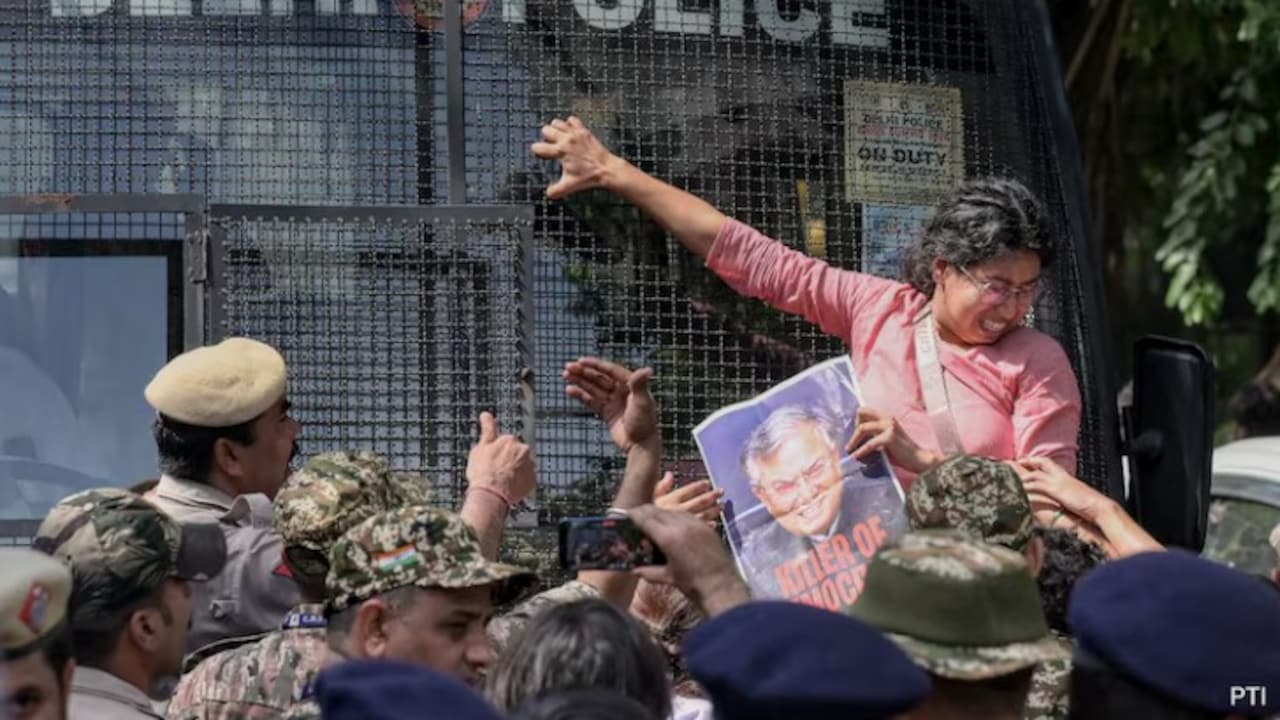
A Delhi court has granted bail to 17 protesters, identifying them as serious but non-habitual offenders. The court ordered their release upon the submission of personal bonds.
Delhi Court Grants Bail to 17 Protesters
A Delhi court recently made a significant judicial intervention by granting bail to 17 protesters who had been detained. The decision underscored a nuanced judicial perspective, with the presiding judge explicitly categorizing the individuals as "serious but not habitual offenders." This distinction is crucial in the Indian legal framework, as it separates individuals involved in a specific, singular incident of protest from those with established histories of criminal behavior or recidivism.
The Legal Basis for Release
The court’s order was contingent upon the furnishing of a personal bond by each of the 17 students. In the Indian legal system, a personal bond acts as a formal undertaking by the accused to appear before the court as and when required, ensuring they do not evade the judicial process. By opting for a personal bond rather than a cash surety, the court has signaled a degree of leniency, acknowledging that the students' participation in the protest does not necessarily warrant prolonged pre-trial detention.
Judicial Discretion and Protest Rights
This ruling highlights the delicate balance courts must maintain between upholding public order and protecting the right to dissent. By labeling the protesters as "serious but not habitual," the judiciary is essentially acknowledging the gravity of the charges while simultaneously recognizing that the individuals do not pose a recurring threat to society. This approach is often employed to prevent the criminalization of student activism, allowing the legal process to move forward without the punitive weight of incarceration for those who have no prior criminal record.
Implications for Student Activism
The involvement of students in these protests reflects broader trends in Indian civic engagement, where academic institutions often serve as hubs for political discourse. When such protests lead to legal consequences, the courts become the final arbiter of where the line is drawn between protected speech and illegal assembly. This specific court order serves as a precedent for how similar cases might be handled in the future, emphasizing that non-habitual participation in protests is viewed differently than systematic or repeated infractions.
Looking Ahead: The Judicial Path
As these 17 students move forward with their legal cases, the requirement of the personal bond ensures they remain tethered to the judicial system. The court's decision does not clear them of the charges, but it does restore their liberty while the investigation or trial continues. This case will likely be monitored by legal observers as a benchmark for how the judiciary manages mass-arrest scenarios involving student demographics, balancing the state’s interest in maintaining law and order with the individual rights of the participants.
Conclusion
In summary, the Delhi court's decision to grant bail to the 17 protesters represents a measured judicial action. By focusing on the "non-habitual" nature of the offense and utilizing personal bonds, the court has provided a pathway for the students to contest the charges against them outside of prison walls. This event highlights the ongoing tension between protest and legal compliance in India and underscores the role of the judiciary in moderating these complex societal conflicts.
Verification Required?