Bombay HC bars deputy director of education from duty
Source Entity
Latest News: Todays Latest News Headlines from India & World | Hindustan Times | Hindustan Times
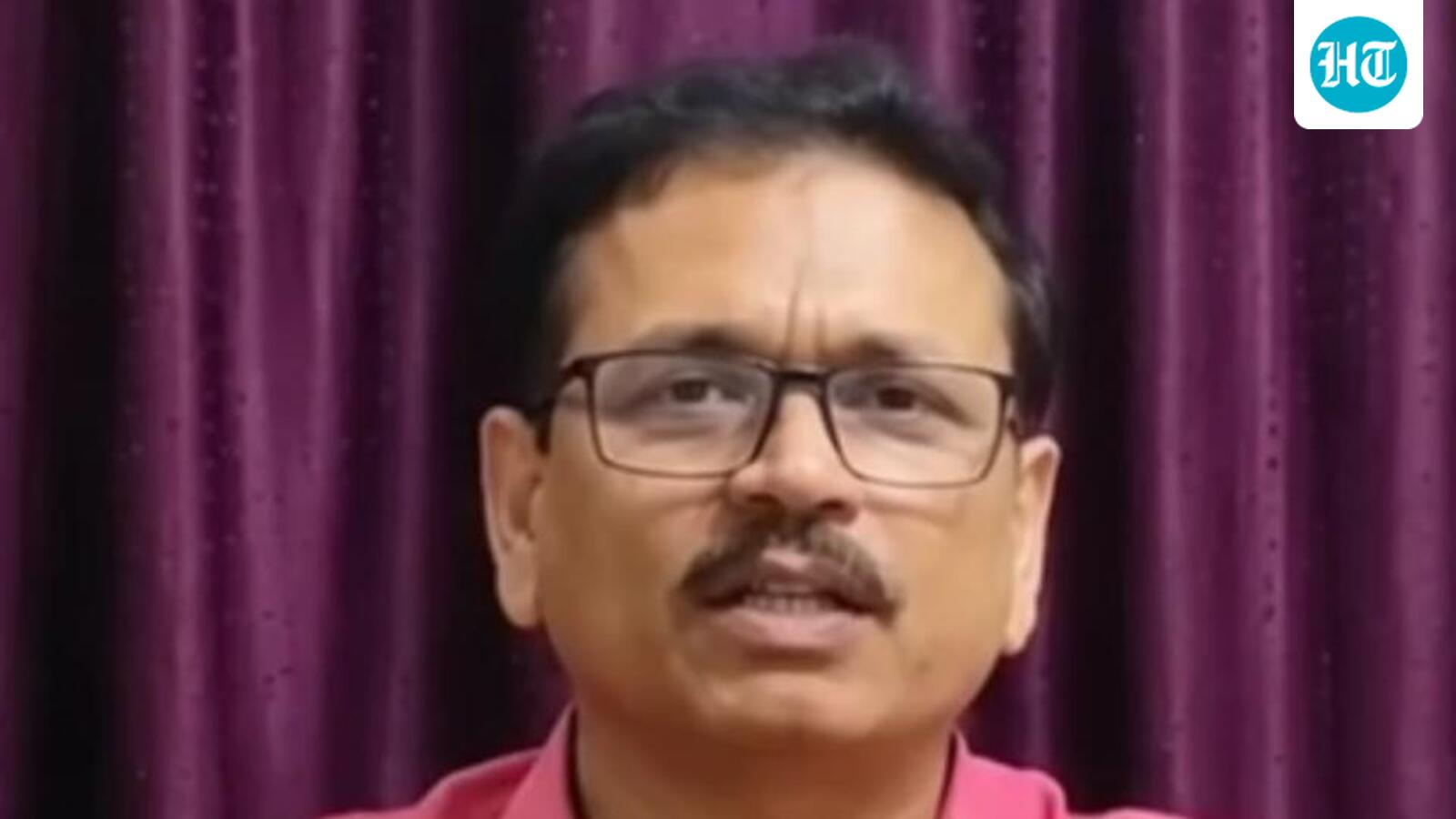
The Bombay High Court has restrained Deputy Director of Education Ganpat More from his duties due to his failure to properly execute court-ordered inquiries. The court has ordered the Maharashtra government to appoint a replacement to address the ongoing mismanagement and salary issues at the school.
Judicial Intervention in Educational Administration
The Bombay High Court recently took decisive action by restraining Ganpat More, the Deputy Director of Education, from performing his official duties. This judicial order stems from a critical failure in administrative compliance, where the court found that More had misconstrued explicit directives regarding an inquiry into school mismanagement. By opting to issue hearing notices rather than conducting a substantive investigation, the official effectively stalled the judicial process, prompting the bench of Justice G.S. Kulkarni and Justice Neela Gokhale to intervene.
The Root Cause: Administrative Negligence
The controversy emerged from a petition filed by school employees who have been struggling with the non-payment of salaries, arrears, and other consequential benefits. The court’s initial mandate was for a thorough inquiry into the management practices of the educational institution in question. However, the failure of the Deputy Director to execute this mandate correctly highlights a broader systemic issue: the gap between judicial oversight and administrative follow-through in Maharashtra’s education sector.
Accountability and Judicial Oversight
When government officials are tasked with inquiries stemming from court orders, their role is to act as an extension of the judiciary's fact-finding process. By failing to understand the distinction between a routine hearing and a directed inquiry, More inadvertently undermined the rights of the employees who are awaiting their rightful compensation. The court’s decision to remove him from his post underscores the principle that administrative officials cannot prioritize bureaucratic formalities over the urgent resolution of labor grievances.
Broader Implications for School Management
The ongoing struggle of school employees to receive their salaries is a symptom of deeper mismanagement within the educational landscape. The Bombay High Court's involvement signals a shift toward stricter accountability for officials tasked with overseeing school governance. When administrative heads fail to fulfill their duties, the judiciary is increasingly willing to force personnel changes to ensure that state-run or state-aided institutions operate within the bounds of the law and fairness.
The Path Forward for Maharashtra’s Education Department
The court’s directive for the Maharashtra government to appoint a new officer serves as a reset for the inquiry process. It is expected that the replacement official will strictly adhere to the court's requirements for a comprehensive investigation. This case serves as a warning to administrative officers that judicial directions are not suggestions but mandatory requirements, particularly when the livelihoods of employees are at stake.
Conclusion
In summary, the removal of Ganpat More from his position is a necessary step to rectify a stalled administrative process. By ensuring that the inquiry into school mismanagement is handled with the appropriate level of urgency and legal precision, the Bombay High Court has reaffirmed its commitment to protecting the interests of school staff. Moving forward, the focus will remain on the prompt payment of arrears and the restoration of administrative order within the institution.
Verification Required?