New playbook, bigger role & a wake-up call for the West: Decoding the Brics summit
Source Entity
AYUSH PANDEY
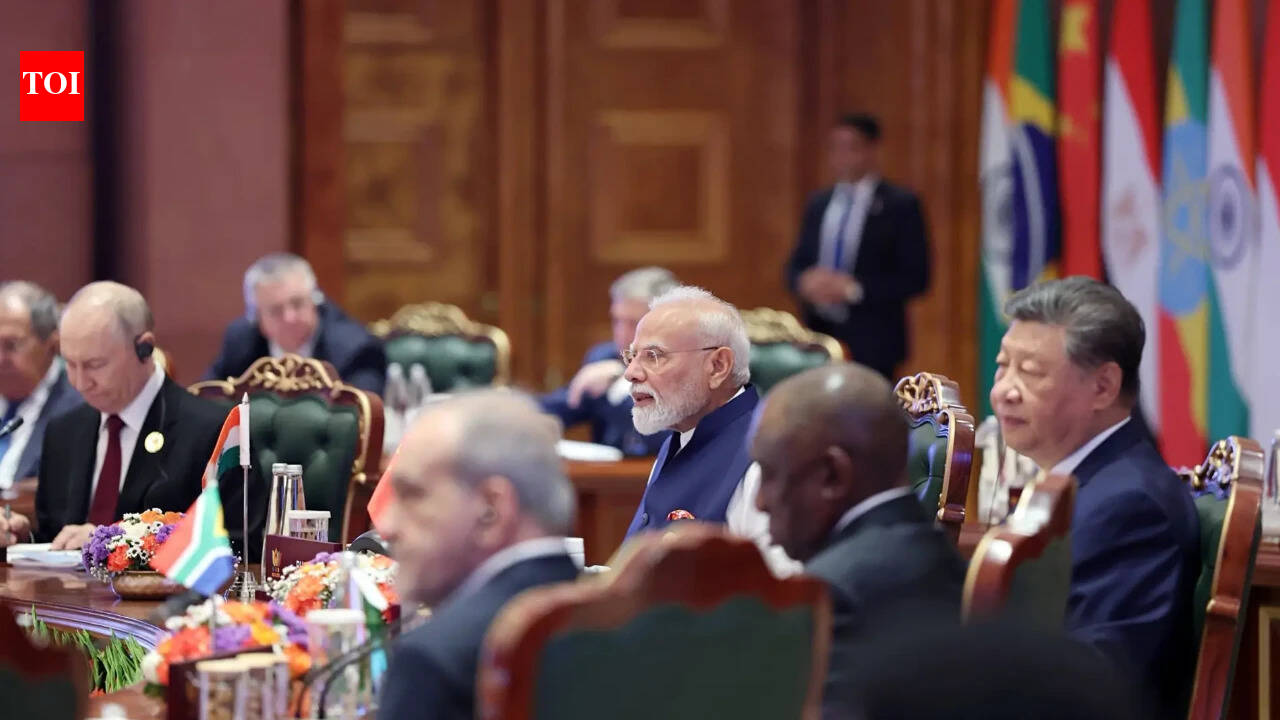
New Delhi is set to host the 18th BRICS Leaders’ Summit on September 12-13 at Bharat Mandapam. The agenda focuses on global governance, economic resilience, and multilateral cooperation among its 11 member nations.
The 18th BRICS Summit: A Milestone for Global Multilateralism
On September 12 and 13, 2026, New Delhi will serve as the global epicenter for diplomacy as Prime Minister Narendra Modi hosts the 18th BRICS Leaders’ Summit. Held at the iconic Bharat Mandapam, this event marks a significant milestone, occurring exactly 20 years after the formalization of the grouping. With 11 major emerging economies now involved, the summit represents a critical juncture in the evolution of the bloc.
A Comprehensive Diplomatic Agenda
The summit is structured to facilitate both high-level policy discussions and symbolic diplomatic gestures. The first day, September 12, features a rigorous schedule including closed-door deliberations, an innovation exhibition, and a formal family photo session. The day is designed to foster personal rapport among leaders, culminating in a gala dinner hosted by Prime Minister Modi. These elements are essential for maintaining the cohesion of a diverse group of nations navigating complex geopolitical landscapes.
Core Pillars of Cooperation
The agenda for the two-day event is deeply rooted in addressing contemporary global challenges. Key focus areas include building systemic resilience, enhancing trade and investment, and fostering advancements in technology. By prioritizing discussions on food and energy security, health, and disaster resilience, the BRICS nations aim to fortify their critical supply chains against future global shocks.
Global Governance and Multilateralism
A centerpiece of the summit is the closed-door session titled 'Inclusive Global Governance and Strengthening Multilateralism.' This session underscores the bloc's collective desire to reform international institutions to better reflect the realities of a multipolar world. The discussions are expected to address both regional and global issues, highlighting the group's intent to act as a unified voice in shaping international norms.
Expanding the Diplomatic Scope
The structure of the summit reflects a strategic approach to inclusivity. While the first day is dedicated to BRICS member states, the proceedings on Sunday, September 13, will expand to include leaders of partner countries and various outreach invitees. This tiered attendance strategy allows the core group to maintain focused internal deliberations while simultaneously broadening the summit's impact through a wider consultative process.
Future Implications and Conclusion
As the summit kicks off in New Delhi, the focus remains on the tangible outcomes of these negotiations. The emphasis on 'Building Resilience' suggests that the grouping is shifting toward a more pragmatic, output-oriented model of cooperation. Whether through joint tree plantations—symbolizing shared growth—or substantive policy agreements on energy and trade, the 18th BRICS Summit is poised to influence the trajectory of global economic and political collaboration for years to come.
Multiple Citing Sources