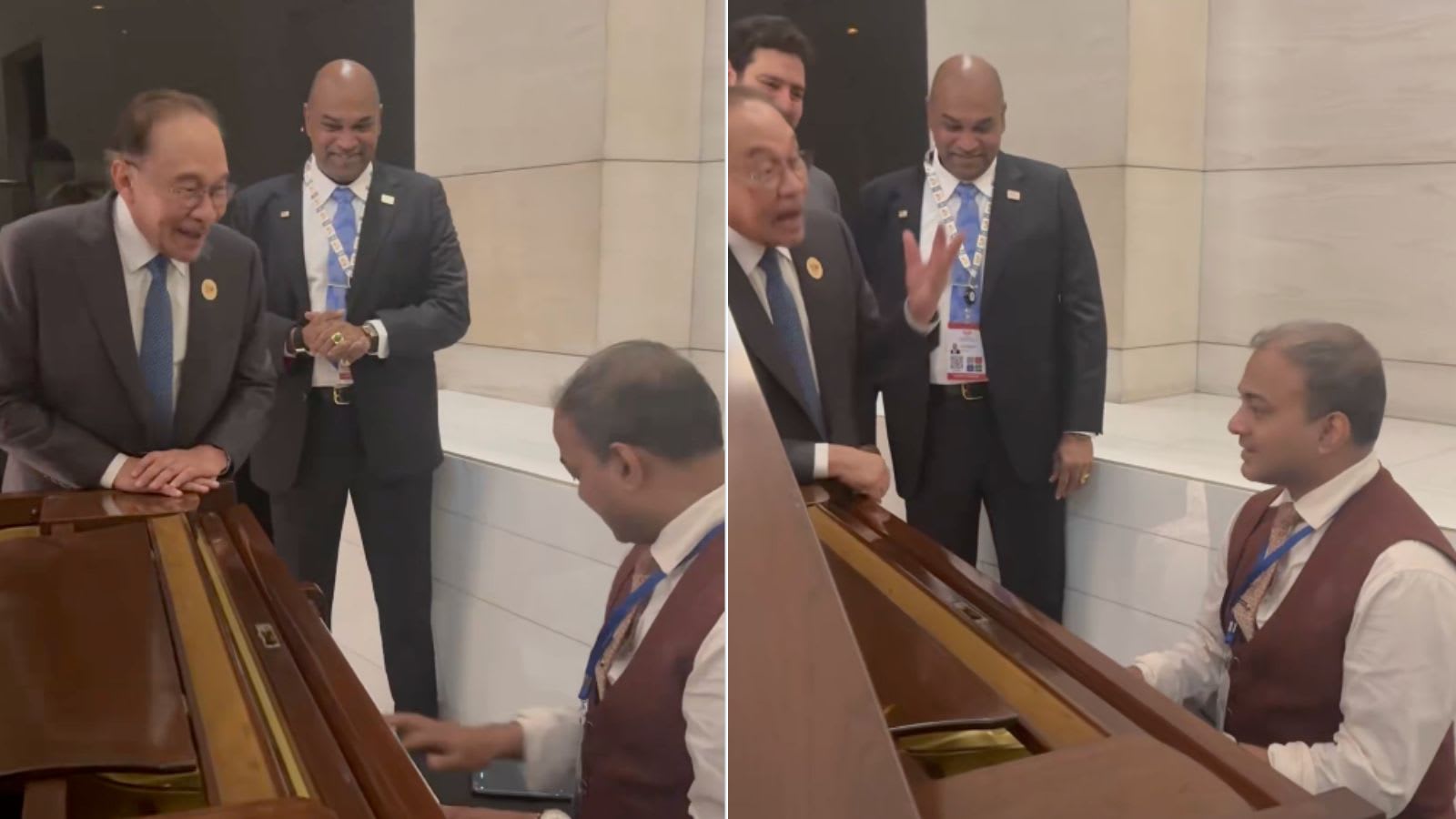
BRICS Summit: Malaysian PM sings evergreen Kishore Kumar song at Delhi hotel
Source Entity
The Indian Express
At the 18th BRICS summit in New Delhi, PM Modi and President Pezeshkian discussed strengthening India-UAE energy ties and the IMEC corridor. Simultaneously, Iran highlighted the dangerous escalation of economic and military pressures in the Middle East, calling for regional stability.
Strategic Engagements at the 18th BRICS Summit
The 18th BRICS summit, hosted in New Delhi, has become a pivotal theater for navigating the complex intersection of regional economic integration and volatile geopolitical tensions. As global leaders converge, the discussions have centered on the dual priorities of fostering trade infrastructure and addressing the deteriorating security climate in the Middle East.
Advancing the India-UAE Partnership and IMEC
Prime Minister Narendra Modi’s engagement with UAE representatives highlights a significant transformation in bilateral relations. By focusing on the India-Middle East-Europe Economic Corridor (IMEC) and energy infrastructure, India is positioning itself as a central node in modern transcontinental trade. This ambition reflects a strategic shift toward deepening connectivity, aiming to bypass traditional bottlenecks and enhance the resilience of energy supply chains between South Asia and the Gulf.
Iran’s Perspective on Sanctions and Security
In a stark contrast to the focus on trade corridors, Iranian President Masoud Pezeshkian utilized the BRICS Business Forum to draw attention to the severe economic pressures facing his nation. Pezeshkian’s assertion that economic security is inseparable from national and regional security underscores the systemic risks posed by 'extensive' U.S. sanctions. His characterization of the current situation as a 'far more dangerous phase' highlights the acute frustration in Tehran regarding the intersection of economic isolation and perceived military aggression from the U.S. and Israel.
The Nexus of Regional Instability and Global Trade
The backdrop of these discussions is a spike in Middle Eastern tensions, which poses a direct threat to the very stability required for projects like IMEC. PM Modi’s emphasis on 'secure sea lanes' and the safety of seafarers during the summit reflects a recognition that regional conflict is a direct impediment to global economic growth. The dialogue between India and Iran serves as a diplomatic effort to address these friction points, advocating for open sea routes as a prerequisite for prosperity.
Balancing Multilateralism and Diplomatic Dialogue
As BRICS continues to expand its influence, the summit serves as a platform for balancing these disparate agendas. While the bloc seeks to promote a multipolar economic order, the presence of leaders with conflicting geopolitical interests forces a focus on dialogue. The meetings in New Delhi underscore that for economic initiatives like IMEC to succeed, a baseline of regional security must be maintained, necessitating a delicate diplomatic dance between major powers and regional stakeholders.
Future Outlook for BRICS Cooperation
Looking ahead, the success of the 18th BRICS summit will be measured by the ability of its members to reconcile their divergent security concerns with their collective economic ambitions. The emphasis on sustained dialogue and the prioritization of sea lane safety suggest a long-term goal of insulating critical trade routes from geopolitical volatility. If India can successfully leverage its neutral positioning to mediate and facilitate these discussions, it may cement its role as an indispensable broker in the evolving global order.
Multiple Citing Sources