Why Chinese President Xi Jinping skipped PM Modi’s BRICS gala dinner in New Delhi
Source Entity
The Indian Express
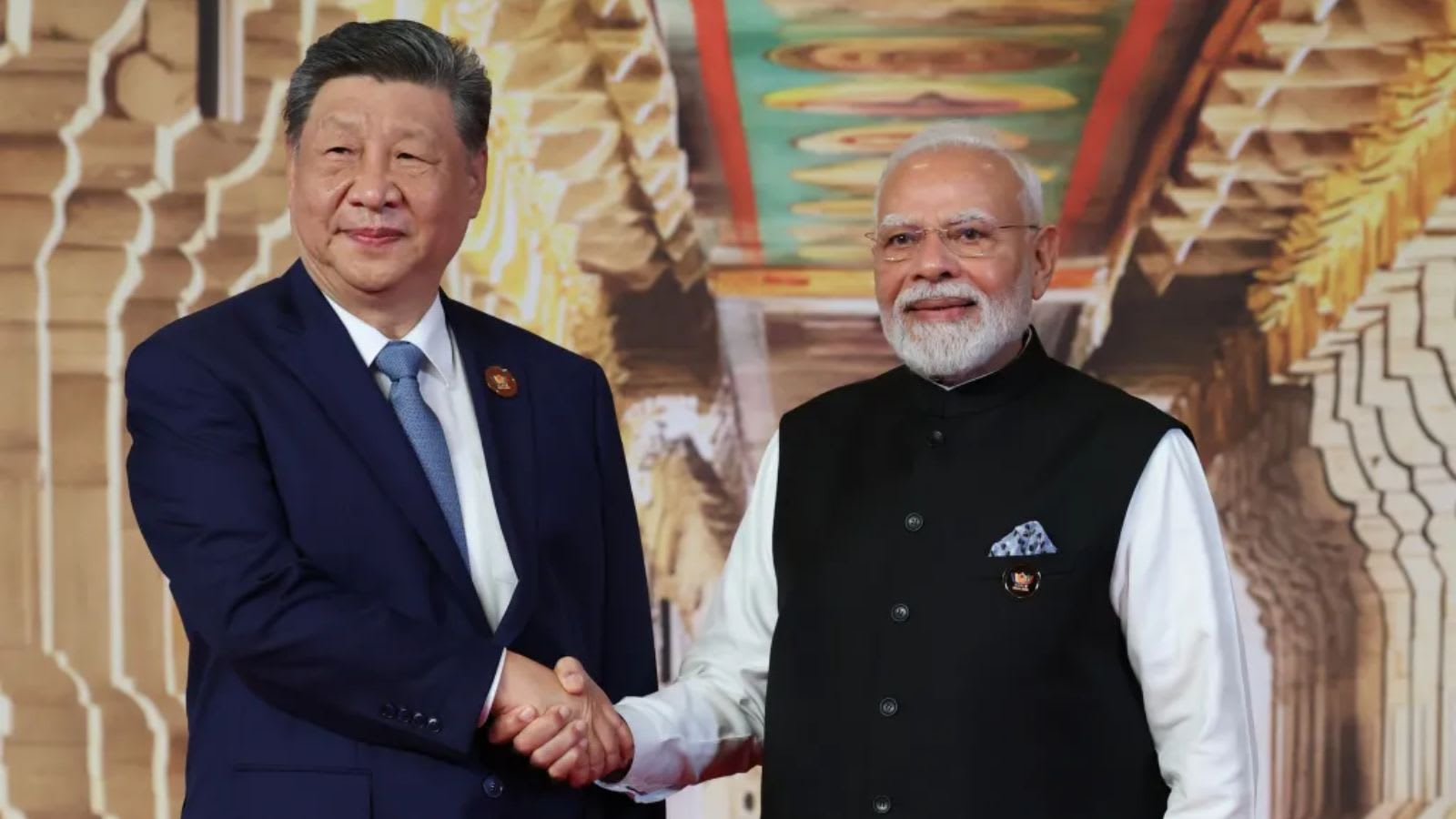
The BRICS Summit in New Delhi highlights India's cultural and culinary diplomacy through curated media gift kits and an all-vegetarian regional menu. High-ranking officials further signaled a commitment to sustainability and collective engagement by traveling to the gala dinner via bus.
Cultural Diplomacy at the BRICS Summit
The 18th BRICS Summit in New Delhi serves as more than a high-level diplomatic gathering; it acts as a global stage for showcasing India’s soft power. By integrating regional specialties into the media experience, the Ministry of External Affairs has transformed standard briefing materials into a tangible expression of India’s artisanal and agricultural heritage. The inclusion of sattu and makhana from Bihar, alongside tribal coffee from Odisha, highlights a strategic move to bring local produce into the international spotlight.
The Art of the 'Goodie Bag'
Beyond mere tokens, the media kits provided to global delegates are a masterclass in regional branding. By featuring block-printed scarves from Gujarat and functional items like metal water bottles and BRICS-branded stationery, India is emphasizing its commitment to both traditional craftsmanship and sustainable, modern living. These gifts serve as a bridge, connecting international journalists and delegates to the diverse traditions of Indian states, effectively turning the media corps into ambassadors for Indian local industry.
Culinary Diplomacy and Vegetarianism
India’s decision to serve an entirely vegetarian menu at the summit is a significant diplomatic statement. The curated spread, featuring regional staples like Dum Aloo Banarasi and Paneer Lababdar, serves to project India's culinary diversity to world leaders. By blending these regional Indian favorites with international dishes like Penne al pomodoro e panna, the menu demonstrates an inclusive approach to global dining that respects local values while catering to a cosmopolitan audience.
Symbolic Gestures of Sustainability
One of the most striking aspects of the summit's logistical execution was the decision for high-ranking officials—including Union ministers such as Amit Shah and Nirmala Sitharaman, and Chief Ministers like Yogi Adityanath—to travel to the gala dinner at Bharat Mandapam by bus. This collective transit not only showcases a commitment to logistical efficiency but also sends a subtle message of unity and sustainability, mirroring the collaborative spirit of the BRICS coalition itself.
Broader Implications and Future Trends
This summit marks a shift in how India approaches international events. By prioritizing local artisans, regional agriculture, and collective transit, the government is setting a precedent for 'conscious diplomacy.' Future global summits held in India are likely to continue this trend, where the event experience is inextricably linked to the 'Make in India' narrative. As India continues to host major international forums, expect these cultural, culinary, and logistical strategies to become the standard blueprint for projecting national identity on the world stage.
Conclusion
The synthesis of cultural outreach and administrative simplicity at the 18th BRICS Summit highlights a mature, multi-faceted approach to international relations. Through thoughtful gift curation, inclusive culinary offerings, and visible displays of collective responsibility, India has effectively leveraged the summit to reinforce its status as a key global player that values both tradition and modern global cooperation.
Multiple Citing Sources