'Is it okay?' PM Modi pauses speech as Xi appears uncomfortable - video
Source Entity
KANCHAN YADAV
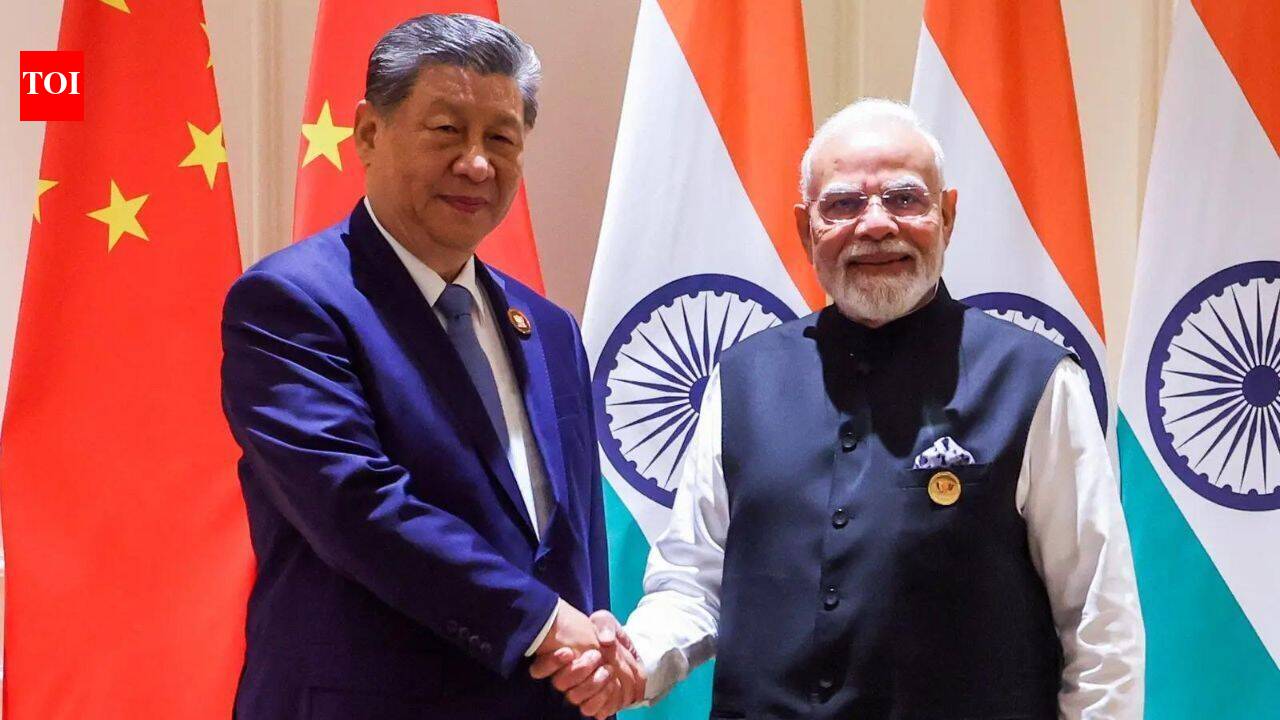
The BRICS Summit in New Delhi is showcasing India's cultural and culinary heritage through curated media gift kits and an all-vegetarian menu. Additionally, Indian government officials demonstrated austerity by traveling to the gala dinner via bus.
Cultural Diplomacy at the 18th BRICS Summit
The 18th BRICS Summit, hosted in New Delhi, has transcended traditional geopolitical discourse to become a platform for extensive cultural and soft-power projection. By integrating regional delicacies, artisanal handicrafts, and a focus on sustainable, vegetarian gastronomy, India is utilizing the summit to showcase its diverse traditions and local economic strengths to a global audience of leaders and media delegates.
Curated Media Kits: A Showcase of Regional Artisanship
Central to the summit's hospitality is the specially curated media kit provided to international delegates. This initiative, spearheaded by the Ministry of External Affairs, serves as a tangible representation of India's 'vocal for local' ethos. By including sattu and makhana from Bihar, coffee from the tribal hills of Odisha, and block-printed scarves from Gujarat, the kit acts as a curated tour of India’s varied artisanal skills and agricultural produce. This strategy effectively turns administrative briefing material into an immersive cultural experience.
Culinary Diplomacy: The Vegetarian Pivot
On the summit's opening day, India underscored its culinary diversity through an entirely vegetarian menu served to world leaders. The selection—featuring regional staples like Paneer Lababdar, Dal Panchmel, and Dum Aloo Banarasi—harmoniously blends traditional Indian flavors with international culinary standards, such as Penne al pomodoro e panna. This gastronomic presentation serves as a deliberate effort to project India’s rich heritage while catering to a global palate, emphasizing the cultural significance of food in international relations.
Demonstrating Austerity and Unity
The logistical arrangements for the summit's gala dinner provided a unique visual narrative regarding the conduct of Indian leadership. High-ranking officials, including Union Ministers Amit Shah, Nirmala Sitharaman, and Chief Minister Yogi Adityanath, were observed traveling to the Bharat Mandapam venue by bus. This collective transport, shared with the Lok Sabha Speaker, highlights a conscious effort to demonstrate efficiency and austerity during high-profile diplomatic engagements.
Broader Geopolitical Implications
Hosting global figures such as President Vladimir Putin, President Xi Jinping, and other world leaders, the summit serves as a critical juncture for multilateral cooperation. Beyond the policy discussions, the meticulous attention to detail in hospitality suggests that India is positioning itself as a sophisticated bridge between the Global South and international powers. The emphasis on local products and shared transportation signals a desire to project a modern, organized, and culturally rooted image of the nation.
Future Trends in Diplomatic Hosting
As India continues to host major international forums, the trend toward 'experience-based diplomacy' is likely to intensify. The integration of local produce, sustainable practices, and symbolic gestures of unity among government officials sets a precedent for future summits. By weaving local identity into the fabric of international events, India is successfully leveraging its cultural assets to foster deeper engagement with visiting delegates, potentially influencing future diplomatic protocols worldwide.
Multiple Citing Sources