India and China are at a Nash equilibrium. Will it hold?
Source Entity
Kanti Bajpai
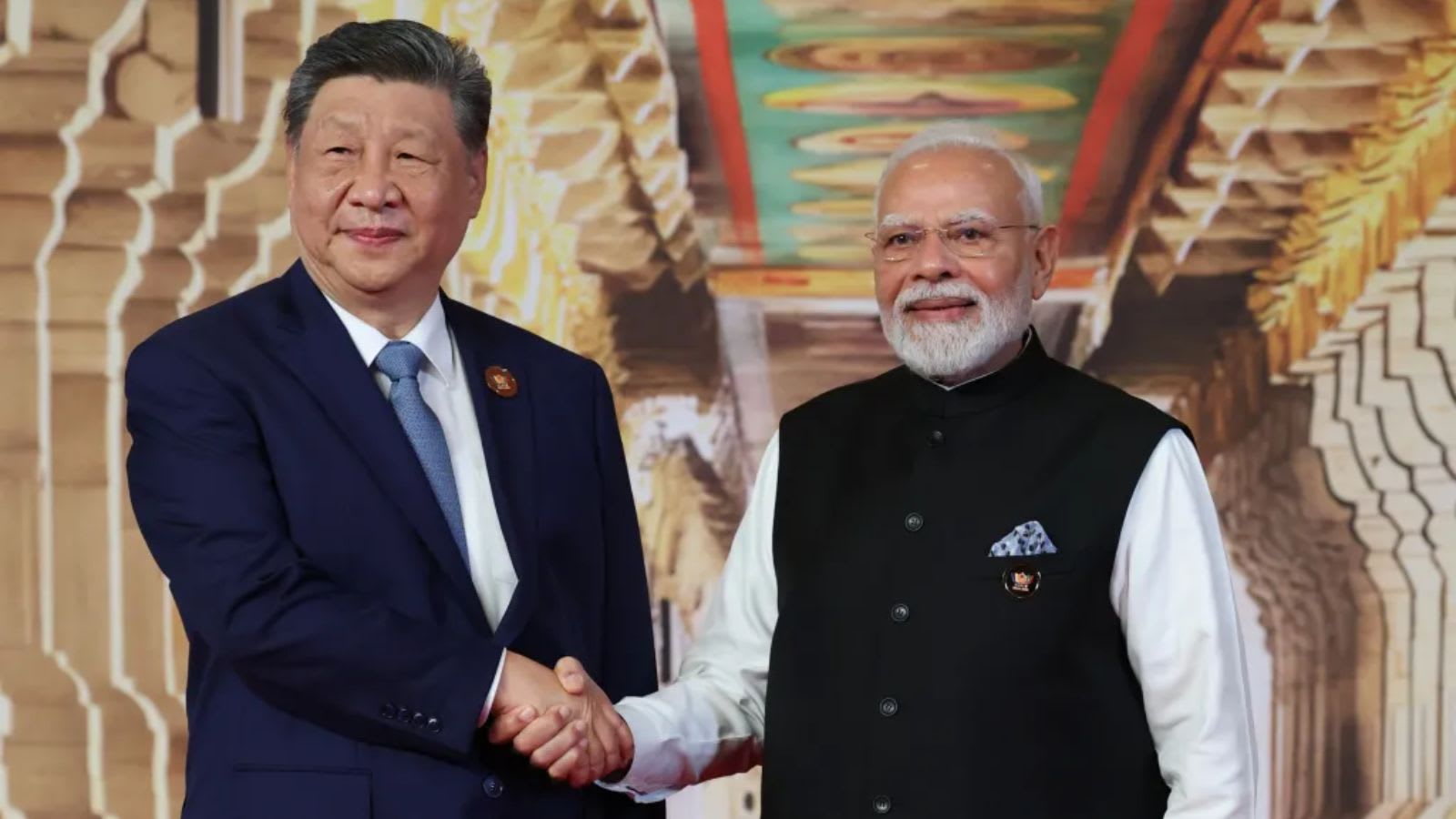
India and China have reached a strategic Nash equilibrium regarding their border dispute, signaling a period of pragmatic stability. This consensus suggests neither nation expects to improve its position through further unilateral escalation.
The Strategic Stasis: Understanding the India-China Border Equilibrium
The recent diplomatic developments between India and China, specifically the 'Eight Points of Outcomes and Consensus' statement issued on August 25 and the high-level meeting between Prime Minister Narendra Modi and President Xi Jinping at the BRICS Summit, signal a significant shift toward a tactical stalemate. By analyzing these events, it becomes clear that both nations have transitioned into a state of Nash equilibrium regarding their protracted border dispute. This concept, rooted in game theory, suggests that both New Delhi and Beijing have reached a point where any unilateral deviation from their current strategy would likely result in a worse outcome, effectively freezing the status quo.
Defining the Nash Equilibrium in Geopolitics
In the context of the Himalayan border, a Nash equilibrium implies that both India and China have tacitly acknowledged the limitations of their respective geopolitical maneuvers. For the past several years, the border has been defined by high-tension military posturing and economic decoupling efforts. However, the recent diplomatic readouts suggest that both capitals now recognize that further escalation is unlikely to yield a 'better' outcome for either side. This realization is not necessarily a sign of newfound friendship, but rather a cold, calculated assessment of the costs associated with continued friction.
The Role of Multilateral Forums
The meeting between Prime Minister Modi and President Xi on the sidelines of the BRICS Summit serves as a critical pressure release valve. By engaging in direct dialogue within a multilateral framework, both leaders have signaled to their domestic audiences and the international community that they are willing to prioritize stability over perpetual confrontation. This diplomatic engagement provides the necessary cover for both nations to manage the border issue without losing face, ensuring that the bilateral relationship does not descend into open conflict while maintaining their respective national security objectives.
Diplomatic Pragmatism and Future Trends
Moving forward, the primary trend in India-China relations will likely be one of 'managed competition.' The 'Eight Points' consensus suggests a move toward formalizing mechanisms that prevent accidental escalation. While the fundamental territorial disagreements remain unresolved, the focus has shifted from seeking a decisive victory to achieving a predictable, albeit tense, coexistence. This indicates that the border issue will remain a defining constraint on the broader relationship, but one that is now governed by a shared understanding of risk aversion.
Broader Geopolitical Implications
This equilibrium has profound implications for the Indo-Pacific region. As India navigates its strategic partnerships and China pursues its global ambitions, the stabilization of their common border allows both nations to reallocate resources and diplomatic bandwidth toward other theaters. However, this stability is fragile. It relies on the continued adherence to the consensus established in August. If either side perceives that the 'costs' of maintaining this equilibrium have changed—perhaps due to internal political pressures or shifts in global alliance structures—the delicate balance could be disrupted.
Conclusion
The current state of India-China relations is defined by a pragmatic, if uneasy, recognition of reality. By reaching a Nash equilibrium, both New Delhi and Beijing have opted for a strategy of containment over confrontation. While this does not resolve the deep-seated issues that have plagued the relationship, it provides a functional framework for stability. The future of this relationship will depend on how effectively both nations can maintain this balance while pursuing their distinct national interests in an increasingly multipolar world.