PM Modi, Xi offer help to Russa to end Ukraine war; how Putin responded
Source Entity
ROHITASHWA RANJAN
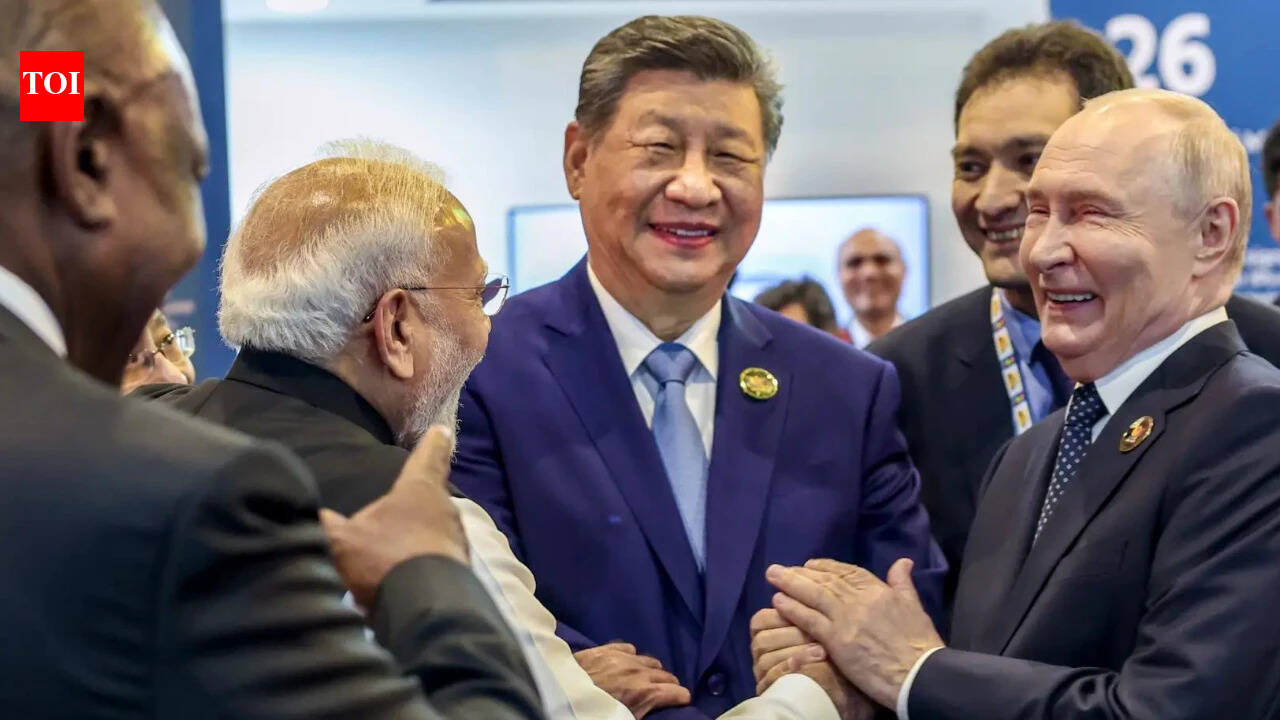
Prime Minister Narendra Modi and President Xi Jinping have offered their mediation services to Vladimir Putin to help resolve the ongoing Ukraine conflict. The Kremlin acknowledged these proposals for 'good offices' as diplomatic efforts continue to unfold.
Diplomatic Overtures: The Global Push for Peace
The recent reports confirming that both Indian Prime Minister Narendra Modi and Chinese President Xi Jinping have offered their 'good offices' to Russian President Vladimir Putin mark a significant moment in the ongoing geopolitical discourse surrounding the Ukraine war. By positioning themselves as potential conduits for dialogue, both leaders have signaled an increasing desire to see a cessation of hostilities, albeit from different strategic vantage points. This diplomatic intervention highlights the growing pressure on Russia to move toward a negotiated settlement as the conflict enters a protracted phase.
The Strategic Weight of Mediation
For India, Prime Minister Modi’s offer reflects a commitment to the principle of strategic autonomy. India has consistently maintained a stance that favors dialogue and diplomacy, refusing to take sides in the Western-led sanctions regime while simultaneously advocating for the sovereignty of nations. By offering mediation, India is not merely acting as a neutral observer but is actively seeking to stabilize a global order that has been severely disrupted by energy and food security crises resulting from the war.
China’s Geopolitical Calculations
President Xi Jinping’s involvement suggests a complex balancing act. While China maintains a 'no-limits' partnership with Russia, it is also highly sensitive to the economic fallout and the potential for long-term instability in Europe, which is a key trading partner. By offering 'good offices,' Beijing aims to project itself as a responsible global stakeholder capable of influencing Moscow, thereby countering Western narratives that characterize China as a purely enabling force in the conflict.
Kremlin’s Response and the Path Forward
The Kremlin’s acknowledgment of these offers indicates that Russia remains open to hearing proposals from key allies and partners, even if a concrete peace framework remains elusive. Putin’s engagement with these leaders underscores the reality that Russia is not entirely isolated on the world stage, despite Western efforts. However, the gap between offering 'good offices' and achieving a substantive breakthrough is vast, given the entrenched positions of both Kyiv and Moscow regarding territorial integrity and security guarantees.
Broader Implications for Global Diplomacy
The willingness of major non-Western powers to insert themselves into the peace process signals a shift in the global diplomatic architecture. It reflects a move away from a unipolar approach to conflict resolution toward a multi-aligned system where regional powers play a decisive role. As these diplomatic channels remain open, the international community will be watching closely to see if these specific offers from New Delhi and Beijing can create the necessary political space for a formal ceasefire or peace talks.
Concluding Summary
In conclusion, the offers from Prime Minister Modi and President Xi represent a concerted effort to leverage their respective relationships with Moscow to explore an end to the Ukraine conflict. While the path to peace remains fraught with profound challenges, the formal recognition of these mediation offers by the Kremlin suggests that diplomatic channels remain a primary focus for all involved parties. Whether these 'good offices' will eventually lead to a resolution depends on the willingness of all stakeholders to compromise on core security concerns.