On BRICS sidelines, Mirwaiz meets Iran’s Araghchi, writes to Pezeshkian
Source Entity
Bashaarat Masood
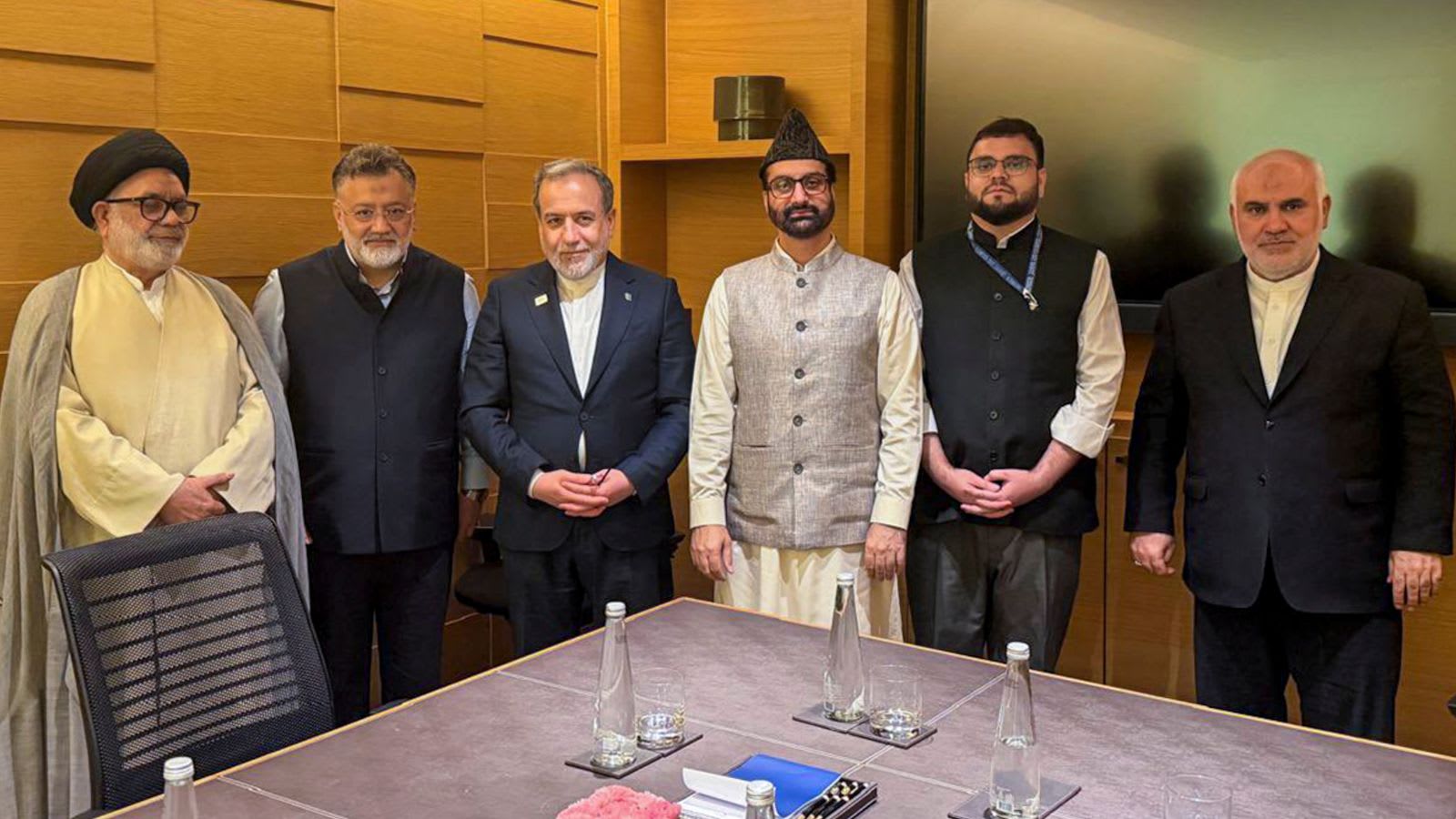
The BRICS summit in New Delhi highlights a strategic pivot as India deepens ties with the UAE through infrastructure projects like IMEC while engaging with Iran amid rising regional tensions. President Pezeshkian emphasized the economic burden of sanctions and regional conflict, prompting PM Modi to advocate for diplomatic dialogue and maritime security.
Strategic Realignment at the BRICS Summit in New Delhi
The 18th BRICS summit, hosted in New Delhi this September, has emerged as a critical venue for navigating the complex intersection of global economic cooperation and regional geopolitical instability. As leaders converge, the discourse has moved beyond traditional trade to address the urgent need for secure maritime corridors and the stabilization of energy infrastructure, particularly through the India-Middle East-Europe Economic Corridor (IMEC).
Expanding Indo-UAE Synergy
Prime Minister Narendra Modi’s engagement with the United Arab Emirates signifies a transformative era in bilateral relations. By focusing on the expansion of IMEC and shared energy infrastructure, India and the UAE are positioning themselves as anchors of stability. This partnership is not merely transactional; it represents a strategic alignment aimed at diversifying supply chains and enhancing connectivity between South Asia and the Middle East, effectively insulating these nations from broader global market volatility.
The Iranian Perspective: Sanctions and Security
President Masoud Pezeshkian’s presence at the summit has brought the harsh realities of Middle Eastern tensions to the forefront. By characterizing the current economic pressure on Iran as a 'far more dangerous phase' resulting from US and Israeli aggression, Pezeshkian has challenged the BRICS bloc to reconcile its economic aspirations with the reality of targeted sanctions. His assertion that economic security is inseparable from national security highlights a fundamental friction point for the alliance.
The Imperative of Maritime Safety
In response to the volatile climate in the Middle East, Prime Minister Modi utilized the platform to reiterate the necessity of secure sea lanes and the protection of seafarers. This call to action is a direct response to the escalating threats that have spiked in the region, endangering the very trade routes that initiatives like IMEC intend to bolster. Ensuring the safety of these maritime passages is now a prerequisite for any meaningful progress on regional economic integration.
Diplomatic Dialogue as a Catalyst
Throughout the summit, the recurring theme in PM Modi’s meetings—including his dialogue with President Pezeshkian—has been the insistence on diplomatic resolution. Recognizing that regional conflicts have a direct, negative impact on global energy prices and trade flow, India is positioning itself as a mediator. By advocating for open sea routes and constructive dialogue, New Delhi is attempting to mitigate the fallout of the 'active aggression' described by the Iranian leadership.
Future Trends and Concluding Summary
Looking ahead, the success of the BRICS summit will likely be measured by the bloc’s ability to move from high-level rhetoric to concrete security guarantees for trade infrastructure. The dual focus on deepening partnerships with stable allies like the UAE while maintaining an open channel with nations under duress like Iran reflects India’s 'multi-alignment' strategy. Ultimately, the stability of the global economy remains tethered to the resolution of these regional tensions, making the outcomes of these New Delhi meetings pivotal for the coming years.
Multiple Citing Sources