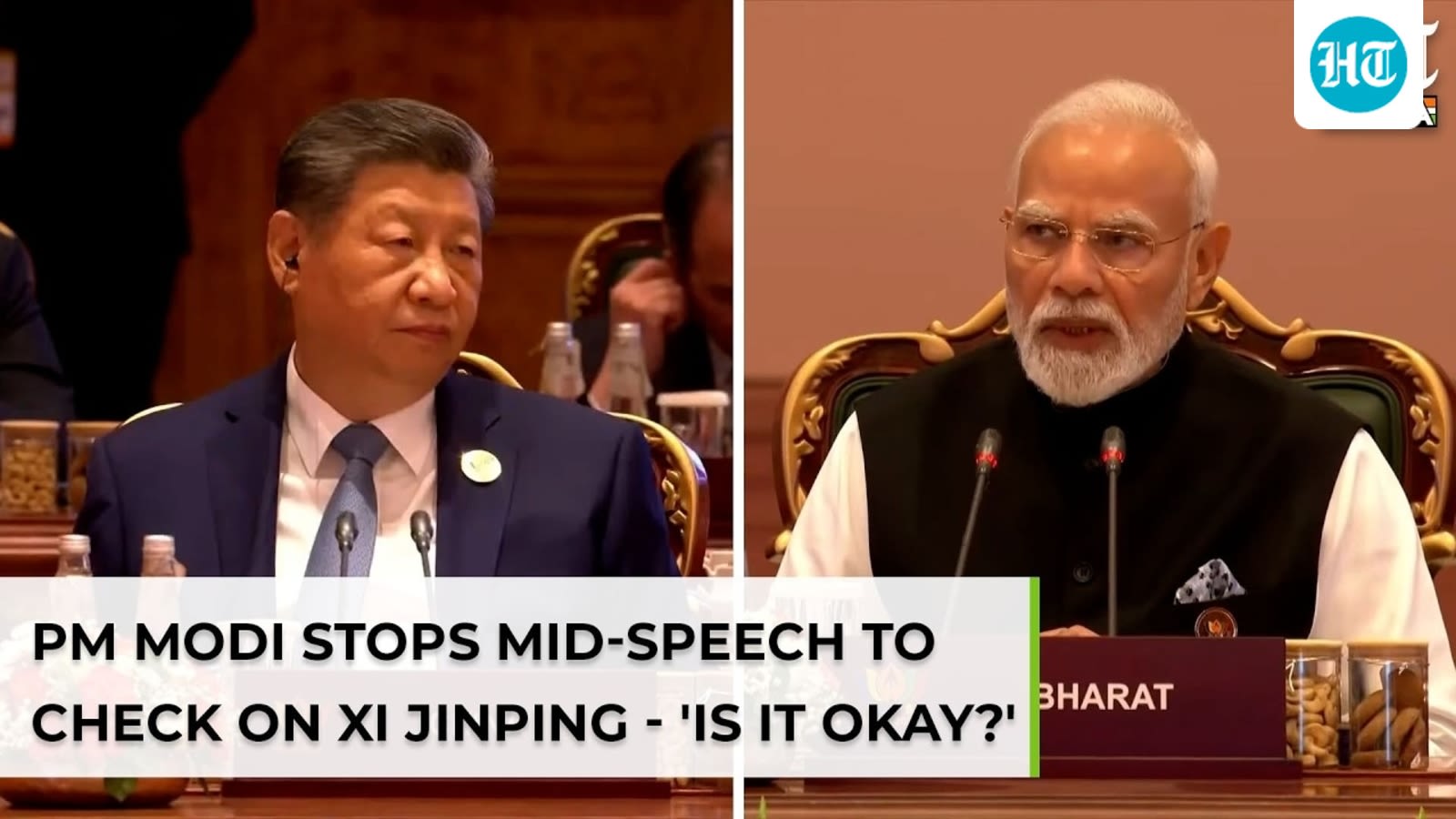
What happened to Xi Jinping? PM Modi suddenly stops speech to check on him | BRICS 2026 meet
Source Entity
Latest News: Todays Latest News Headlines from India & World | Hindustan Times | Hindustan Times
The BRICS Summit in New Delhi is showcasing India's cultural and culinary heritage through curated media kits and an all-vegetarian menu. Additionally, top Indian officials utilized bus transportation to attend the gala dinner hosted by Prime Minister Narendra Modi.
India's Cultural Diplomacy at the BRICS Summit
The 18th BRICS Summit in New Delhi has transcended traditional geopolitical discourse, evolving into a sophisticated exercise in cultural diplomacy. By integrating regional artisanal products and diverse culinary experiences, the host nation has centered the summit experience around the narrative of 'Brand India,' aiming to leave a lasting impression on the global media and political delegates in attendance.
Curated Media Kits: A Showcase of Regional Diversity
The media kits distributed to international delegates serve as a tactile representation of India’s socioeconomic landscape. By including specific items like sattu and makhana from Bihar, coffee from the tribal hills of Odisha, and block-printed scarves from Gujarat, the Ministry of External Affairs has effectively highlighted the nation's commitment to local produce and traditional craftsmanship. This strategy serves a dual purpose: it provides delegates with an authentic taste of Indian heritage while promoting the artisanal skill sets that define the country's rural economy.
Culinary Diplomacy: The Vegetarian Pivot
Complementing the physical gifts is a meticulously planned all-vegetarian menu. By featuring regional delicacies such as Paneer Lababdar, Dal Panchmel, and Dum Aloo Banarasi, the summit organizers are projecting the depth and variety of Indian cuisine. The inclusion of international dishes like Penne al pomodoro e panna alongside millet-based preparations demonstrates an effort to balance global palates with domestic agricultural priorities, particularly the promotion of millets on a global stage.
Logistical Symbolism and Solidarity
In a notable departure from standard high-level security protocol, the transit of Union ministers and BJP Chief Ministers—including Amit Shah and Yogi Adityanath—to the Bharat Mandapam via bus carries significant symbolic weight. This collective movement, joined by the Lok Sabha Speaker, signals a unified administrative front. Such gestures often serve to emphasize efficiency and the importance of shared experiences during high-stakes diplomatic gatherings.
Broader Geopolitical Implications
The gathering of leaders from Russia, China, Iran, South Africa, Egypt, and Indonesia at the Bharat Mandapam marks a pivotal moment for the BRICS alliance. Beyond the policy discussions, the meticulous attention to hospitality—from the contents of a goodie bag to the logistics of transport—reflects India's strategic intent to position itself as a central, welcoming anchor in the evolving global order. As the summit progresses, these elements of soft power will likely continue to reinforce India's standing as a bridge-builder between the Global South and international powers.
Conclusion: A Strategic Narrative
Ultimately, the BRICS Summit is not merely a platform for economic and political negotiation but a comprehensive showcase of India’s national identity. By blending traditional goods, sustainable culinary choices, and streamlined logistics, the event underscores a modern approach to diplomacy that values cultural accessibility as much as it does high-level policy agreements.
Multiple Citing Sources
Verification Required?