Tankers in Hormuz left vulnerable as US scales back ops amid heavy Iranian attacks
Source Entity
PRISHA PATNAIK
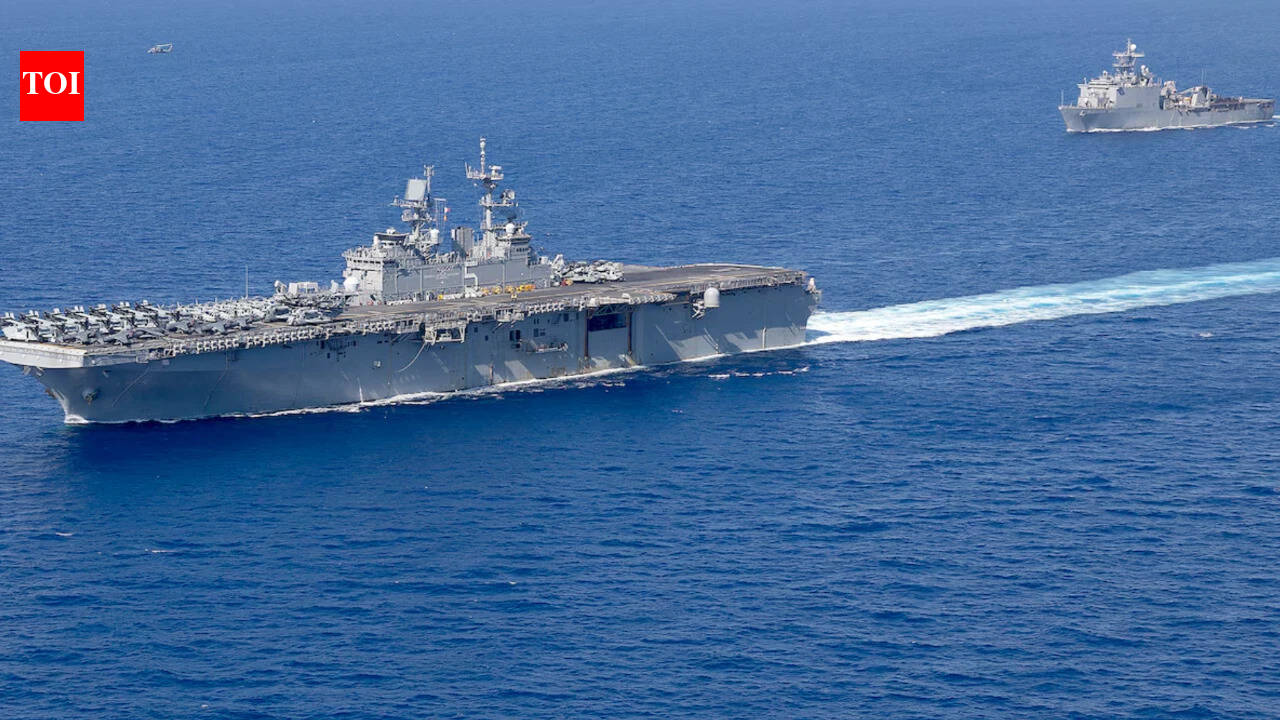
The U.S. has reduced air-based military protection for commercial tankers in the Strait of Hormuz following increased Iranian aggression. This strategic shift limits secure transit windows, raising concerns for global maritime security and oil supply chain stability.
Strategic Shift in the Strait of Hormuz: US Scales Back Air Protection
A New Vulnerability in Maritime Transit
Recent reports indicate that the United States has begun restricting the operational hours for air-based military protection provided to commercial tankers traversing the Strait of Hormuz. This adjustment follows a period of heightened Iranian attacks on vessels utilizing this critical global energy artery. By curtailing these protective windows, the U.S. is effectively narrowing the safety net that has allowed commercial entities to continue moving oil shipments through the region despite persistent geopolitical friction.
The Role of NCAGS in Regional Security
Since May, the U.S. has facilitated a systematic protection framework through the Naval Cooperation and Guidance for Shipping (NCAGS). This coordination center provided shipowners with specific transit coordinates and secure time slots during which U.S. aircraft would patrol and guard vessels traveling along the Omani coast. This arrangement was pivotal in maintaining the flow of global commerce, acting as a deterrent against the increased frequency of Iranian interdiction attempts. The scaling back of these operations signifies a tactical recalibration by the U.S. military in the face of evolving security demands.
Historical Context and Geopolitical Tensions
The Strait of Hormuz remains the world’s most significant oil chokepoint, with a substantial portion of the world's petroleum supply passing through its narrow waters daily. Historically, the U.S. presence in the region has been defined by a commitment to ensuring freedom of navigation. The decision to limit air support suggests that the U.S. is balancing its regional security commitments against the logistical strain of maintaining a constant, high-tempo air presence in an area characterized by persistent, asymmetric threats from Iranian forces.
Broader Implications for Global Energy Markets
Any disruption to the security of the Strait of Hormuz carries immediate risks for global energy stability. By reducing the availability of protected transit windows, shipowners face increased insurance premiums and heightened risks of harassment or seizure. This uncertainty may force commercial operators to reconsider their transit schedules, potentially leading to bottlenecks that could impact global oil prices and supply chain reliability. The reliance on U.S. naval coordination highlights the fragility of current maritime security protocols in the Gulf.
Future Trends and Security Outlook
As the U.S. scales back its air support, the burden of security may increasingly fall on private maritime security companies or require a shift in how regional allies coordinate their own naval patrols. The future of transit through the Strait will likely be defined by how effectively these commercial vessels can navigate the gap left by reduced U.S. oversight. Observers will be closely monitoring whether Iran interprets this pullback as a strategic opening to increase its influence or if international maritime coalitions can adapt to provide alternative security frameworks.
Conclusion
The reduction of U.S. air protection for tankers in the Strait of Hormuz represents a significant turning point in the ongoing maritime standoff. While the NCAGS framework continues to function, the narrowing of secure transit windows underscores the complex challenges of maintaining order in a contested waterway. The international community must now navigate a new reality where the cost and risk of energy transit are increasingly subject to the fluctuating security dynamics of the Gulf region.