Lindsay Clancy holdout juror GiveSendGo: Massive support pours in after mistrial, ‘Not letting this slide’
Source Entity
Latest News: Todays Latest News Headlines from India & World | Hindustan Times | Hindustan Times
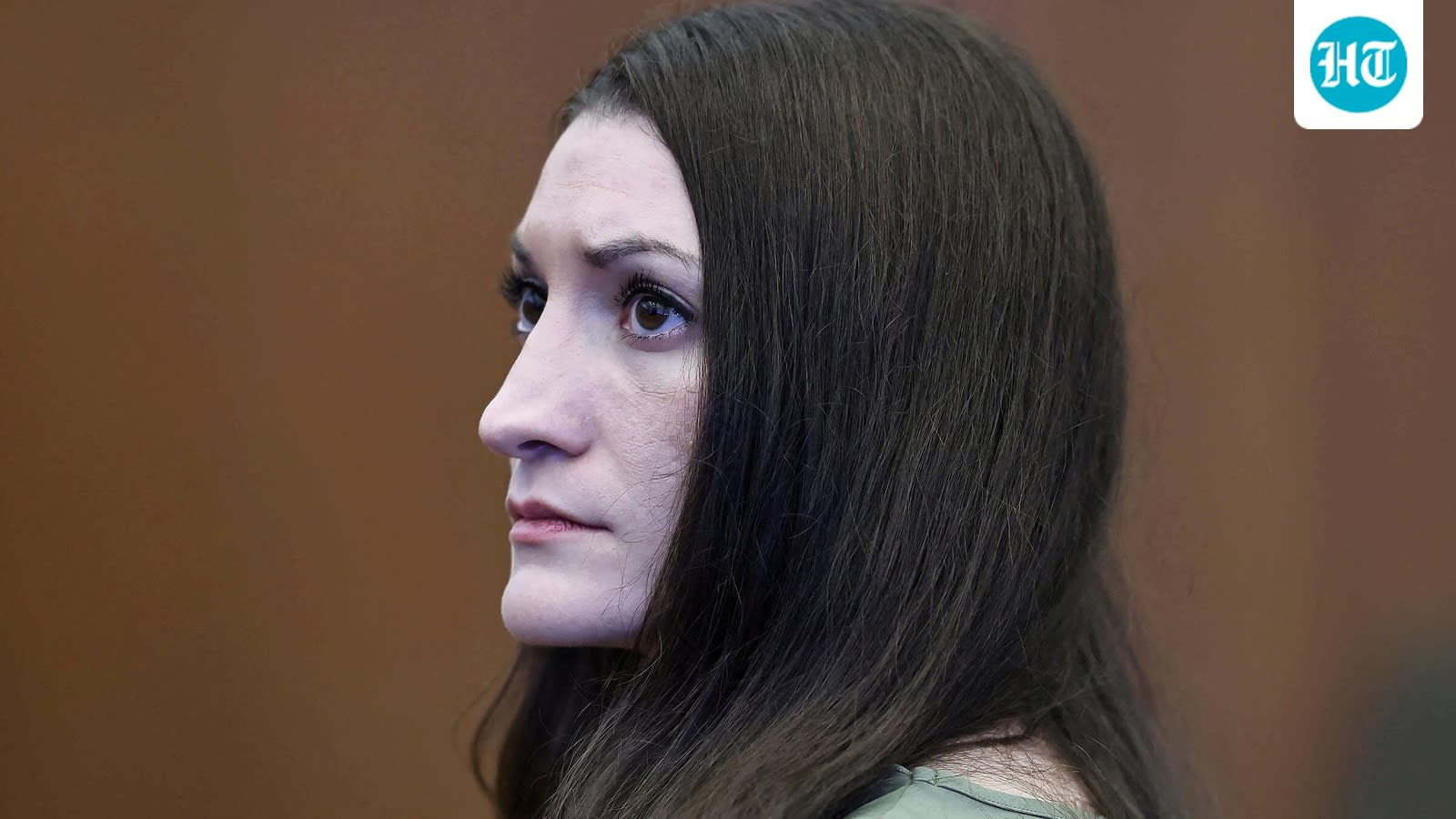
A mistrial was declared in the Lindsay Clancy murder case after an 11-1 jury split regarding her insanity defense. Forensic testimony on 'altruistic filicide' proved pivotal to the majority, while a fundraising campaign has emerged to support the single holdout juror.
The Legal and Psychological Impasse in the Lindsay Clancy Case
The recent declaration of a mistrial in the case of Lindsay Clancy, a Massachusetts mother accused of killing her three children—Cora, 5; Dawson, 3; and Callan, 8 months—has ignited a fierce national debate regarding the intersection of severe mental health crises and the criminal justice system. On September 4, the court was forced to declare a mistrial after the jury failed to reach a unanimous verdict, ending with an 11-1 split in favor of finding the defendant not guilty by reason of lack of criminal responsibility.
The Role of 'Altruistic Filicide'
Central to the jurors' deliberations was the expert testimony provided by forensic psychiatrist Dr. Phillip Resnick. Dr. Resnick introduced the concept of "altruistic filicide," a psychological framework suggesting that a parent may kill their children under the belief that it is an act of mercy or protection from perceived future suffering. Juror Paula Devlin noted that this testimony was instrumental in helping the majority of the panel comprehend the defense's argument regarding Clancy's specific mental state at the time of the tragic event.
The Anatomy of the 11-1 Split
The 11-1 vote highlights the profound difficulty juries face when tasked with determining the extent of "criminal responsibility" in cases involving postpartum psychosis and severe trauma. While the majority of the jury appeared swayed by the clinical explanations of the defendant’s psychological collapse, the single holdout juror remained unconvinced, effectively preventing a verdict. This discrepancy underscores the subjective nature of evaluating "intent" when a defendant's mental capacity is severely compromised.
Public Reaction and the Rise of Crowdfunding
In the wake of the mistrial, the case has moved beyond the courtroom and into the digital arena. A GiveSendGo campaign has been established to support the anonymous male holdout juror, with supporters framing his refusal to conform to the majority as an act of integrity. The campaign, which seeks to raise $100,000, reflects a growing public interest in how "TikTok-diagnostics" and social media narratives surrounding postpartum illness have influenced the cultural perception of the trial.
Future Implications and Legal Uncertainty
As the court looks toward a hearing on September 29, the legal future of Lindsay Clancy remains in limbo. Prosecutors are currently evaluating whether to pursue a retrial, a decision that carries significant weight for both the judicial system and the public. The prospect of a second trial raises questions about whether a new jury can navigate the complex medical testimony and emotional gravity of the case more effectively than the first.
Conclusion
The Clancy case serves as a stark reminder of the challenges inherent in applying legal definitions of insanity to complex psychiatric conditions. As the legal process continues, the case will likely remain a focal point for discussions on how society balances empathy for mental health struggles with the fundamental requirements of criminal justice.
Multiple Citing Sources
Verification Required?