China wants to create a BRICS open-source AI ecosystem. Where does India fit?
Source Entity
Soumyarendra Barik
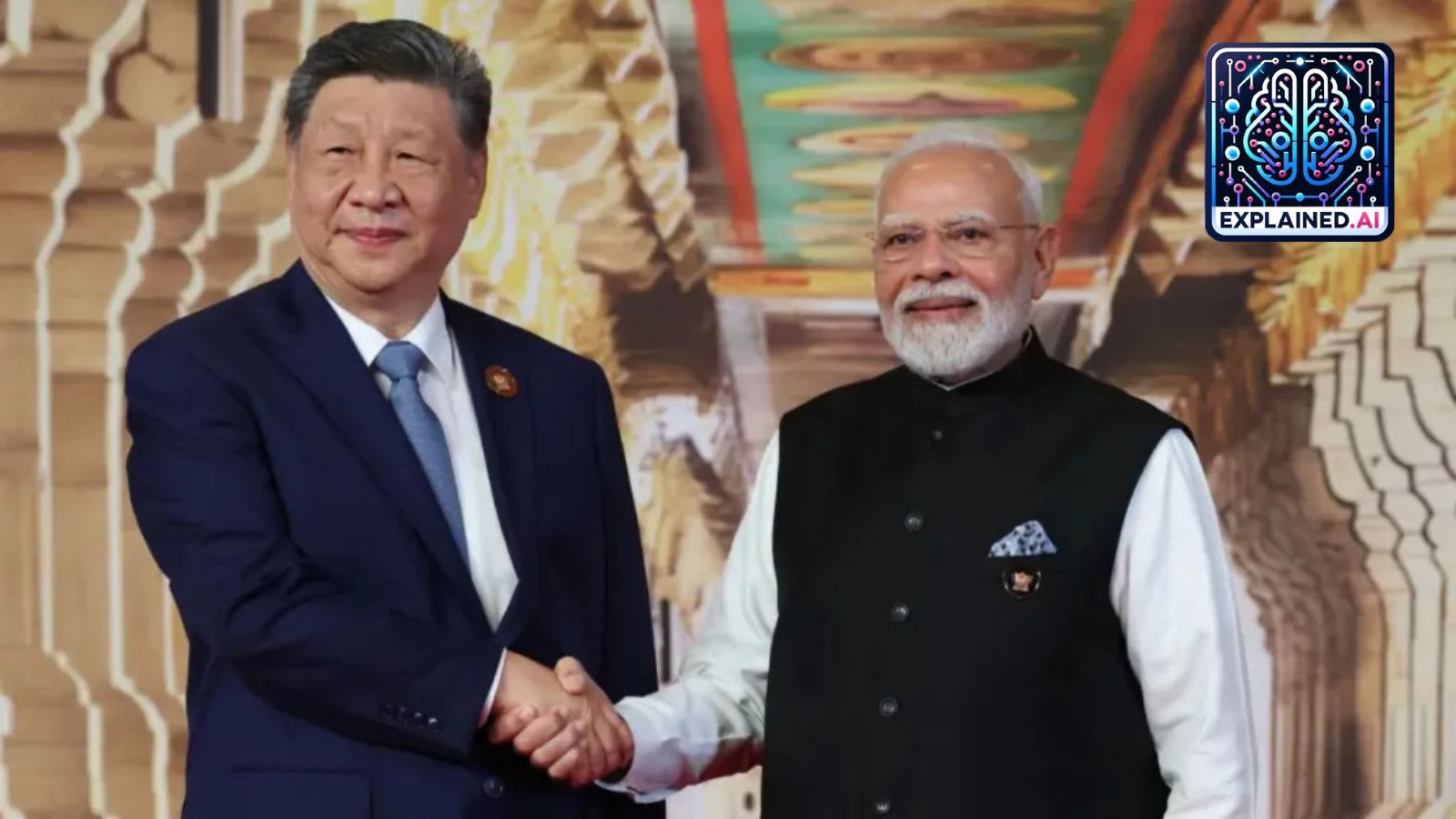
At the 18th BRICS summit in New Delhi, PM Modi and Iranian President Pezeshkian emphasized regional security and infrastructure connectivity. While India and the UAE explored the IMEC corridor, President Pezeshkian highlighted the escalating dangers posed by sanctions and Middle Eastern instability.
Strengthening Strategic Ties at the 18th BRICS Summit
The 18th BRICS summit, hosted in New Delhi, has served as a pivotal platform for addressing the dual challenges of regional economic integration and escalating geopolitical instability. The gathering of global leaders has highlighted a shift in how nations navigate the complex intersection of trade corridors and security threats, with India emerging as a central mediator in these critical dialogues.
Advancing the India-UAE Partnership
Prime Minister Narendra Modi’s engagement with UAE representatives underscored a significant transformation in bilateral relations over the past few years. Central to these discussions was the India-Middle East-Europe Economic Corridor (IMEC), a project designed to revolutionize energy infrastructure and trade logistics. By raising their collective ambitions, India and the UAE are signaling a commitment to a future where deep economic integration acts as a hedge against global market volatility.
The Iranian Perspective on Economic Security
Iranian President Masoud Pezeshkian’s presence at the summit brought the realities of regional security to the forefront. During the Leaders' Session of the BRICS Business Forum, President Pezeshkian articulated that economic security is inextricably linked to national and regional stability. He explicitly categorized the current state of sanctions against Iran as entering a 'far more dangerous phase,' directly attributing this escalation to active military aggression by the US and Israel.
Geopolitical Tensions and Regional Stability
The timing of President Pezeshkian's visit to India coincides with a dangerous spike in Middle East tensions. This volatility has forced a pivot in the summit’s agenda, where leaders are now forced to reconcile long-term economic development goals with immediate security threats. The discussions have moved beyond mere trade, delving into the necessity of maintaining secure sea lanes and protecting seafarers, a priority emphasized by Prime Minister Modi.
Dialogue as a Diplomatic Imperative
In his direct meeting with President Pezeshkian, Prime Minister Modi reiterated the urgent need for dialogue. This diplomatic approach reflects India's broader foreign policy strategy of maintaining neutrality and fostering open communication channels even during periods of intense regional friction. The emphasis on open sea routes serves as a functional solution to the broader issue of supply chain disruptions caused by regional instability.
Future Implications for the BRICS Bloc
Looking ahead, the 18th BRICS summit suggests that the bloc is evolving into a forum where member states must balance their internal economic aspirations with the external pressures of a fractured geopolitical landscape. The success of initiatives like IMEC will depend heavily on the ability of these nations to maintain stable maritime corridors. As India continues to position itself as a bridge between competing interests, its role in ensuring that economic cooperation survives the current 'dangerous phase' of regional conflict will be the defining theme of its diplomatic efforts in the coming years.
Multiple Citing Sources