"Significant Reduction" In Chinese Deployment: Defence Ministry Annual Report
Source Entity
NDTV News Search Records Found 1000
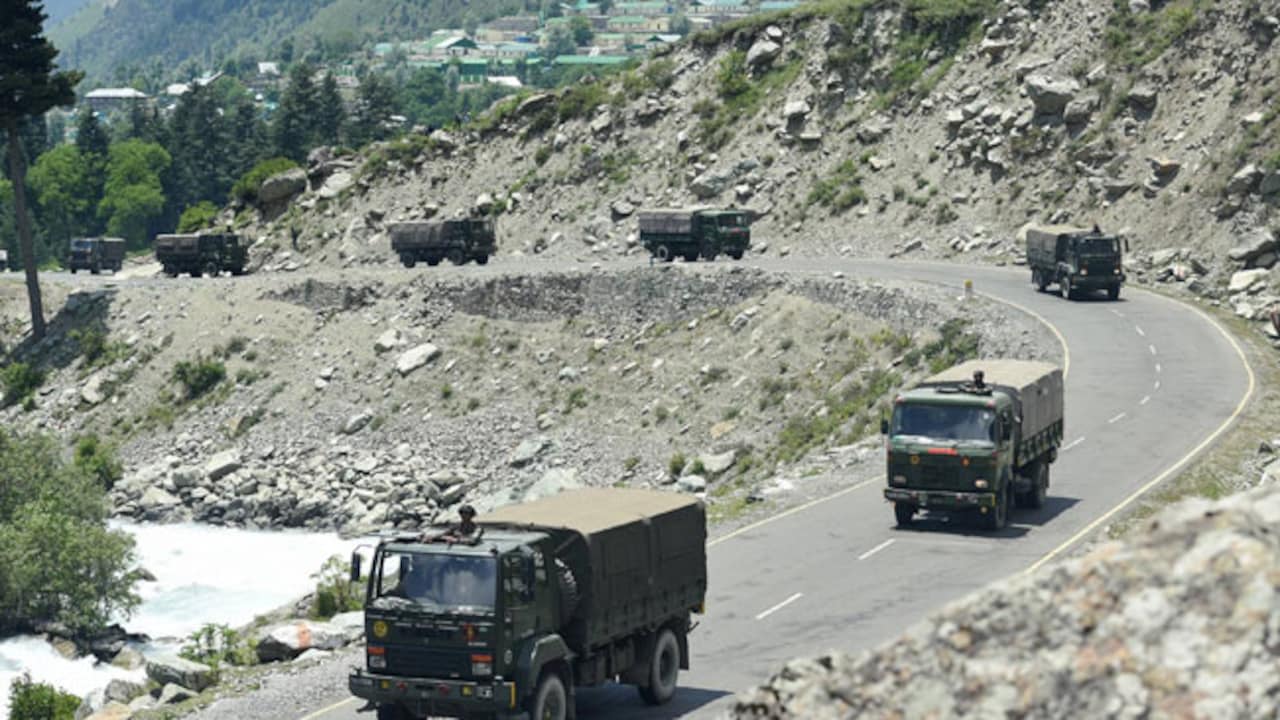
China has significantly reduced its troop presence along the Line of Actual Control in 2025, signaling a thaw in bilateral relations. Despite this de-escalation, India maintains a robust defensive posture to ensure continued border stability.
Strategic De-escalation: Analyzing the India-China Border Shift
A New Chapter in Border Management
In a significant shift for regional security, the Indian Ministry of Defence has reported a marked reduction in the deployment of the People’s Liberation Army (PLA) along the Line of Actual Control (LAC) as of 2025. This development marks a pivotal moment in the complex, often strained relationship between the two Asian powers, suggesting a period of stabilization following years of heightened tensions and localized standoffs. The presence of Chinese forces has been scaled back to approximately 10 Combined Arms Brigade-size units, a quantitative shift that reflects a move toward de-escalation in the immediate border regions.
Diplomatic Thaw and Military Realignment
The reduction in troop levels is widely interpreted as a direct result of ongoing political and diplomatic dialogues between New Delhi and Beijing. By consolidating their forces into traditional training areas and reducing the frontline burden, the PLA appears to be aligning its posture with recent efforts to normalize bilateral interactions. This strategic move is not merely a tactical withdrawal but a broader signal that both nations are prioritizing the stabilization of their northern borders to prevent accidental escalation and foster a more predictable security environment.
India’s Robust Defensive Posture
Despite the positive indicators of Chinese withdrawal, the Indian Ministry of Defence has emphasized that the Indian Army remains "robust, well poised and prepared" across all sectors of the LAC. This commitment to defensive readiness underscores a "trust but verify" approach. India’s strategic doctrine continues to prioritize the ability to deal with any emerging contingency, ensuring that the reduction in Chinese forces does not lead to a lapse in national security or territorial integrity.
Internal Stability and Regional Security
Beyond the LAC, the broader security landscape remains a priority for the Indian government. Reports indicate that the security situation in Jammu and Kashmir is firmly under control, providing a stable backdrop to the diplomatic progress made on the northern borders. The synergy between internal security stability and the stabilization of the LAC creates a more favorable environment for India to focus on broader regional economic and strategic interests.
Future Trends and Implications
Looking ahead, the reduction of PLA forces to 10 Combined Arms Brigades sets a new baseline for military activity along the LAC. If this trend continues, it may lead to further agreements on border patrolling and the institutionalization of conflict resolution mechanisms. However, the future of these relations remains contingent on sustained diplomatic engagement and mutual adherence to existing bilateral agreements. Experts will be watching closely to see if this de-escalation leads to a long-term peaceful resolution of the long-standing border disputes that have historically defined the India-China relationship.
Verification Required?