Former Iceland President recalls serving vegetarian meal to Abdul Kalam amid BRICS Summit menu row
Source Entity
Latest News: Todays Latest News Headlines from India & World | Hindustan Times | Hindustan Times
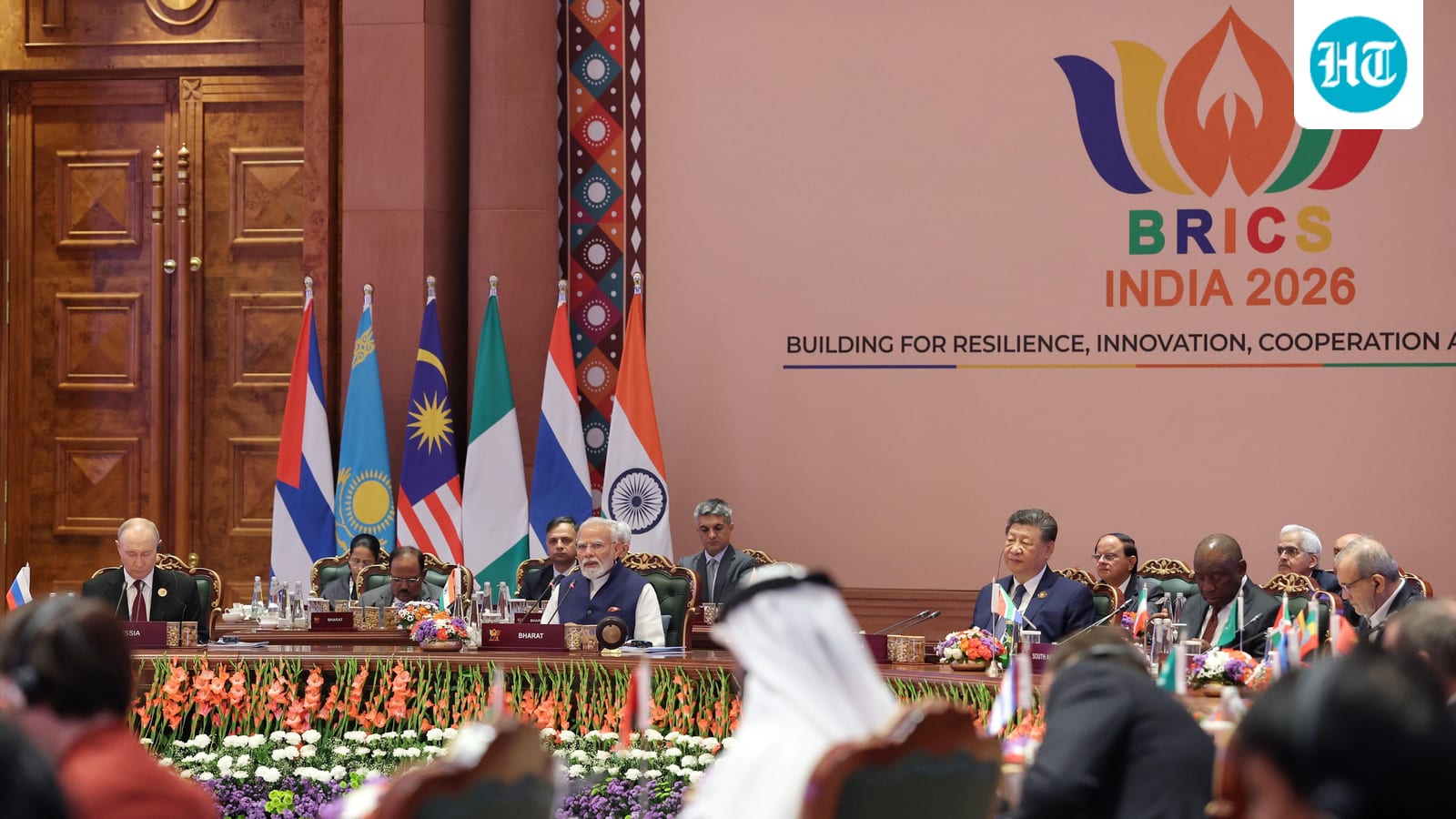
The BRICS Summit in New Delhi sparked a political debate between Congress and the BJP over an all-vegetarian menu served to world leaders. Former Icelandic President Olafur Ragnar Grimsson entered the discourse by recalling a similar experience with an Indian leader, highlighting the broader debate on cultural representation and dietary diplomacy.
The BRICS Culinary Controversy: A Clash of Ideology
The recent BRICS Summit held at Bharat Mandapam in New Delhi has transcended its diplomatic objectives, evolving into a domestic political flashpoint. Following the conclusion of the two-day summit, the Congress party launched a sharp critique against the Bharatiya Janata Party (BJP) government for serving an exclusively vegetarian menu to visiting heads of state and global dignitaries. This decision has ignited a fierce debate regarding the representation of India’s diverse culinary heritage on the international stage.
The Opposition’s Stance: Cultural Erasure or Diplomatic Choice?
Congress leader Pawan Khera expressed strong disapproval, arguing that by excluding non-vegetarian delicacies, the government is effectively hiding a significant part of India’s cultural identity. The Opposition asserts that this move represents an attempt by the BJP to impose its specific dietary preferences on both the Indian populace and international guests. The core of their argument is that India’s global image should reflect its multi-cuisine diversity rather than a singular ideological approach to food.
Historical Precedent and the 'Vegetarian Diplomacy' Defense
Defenders of the government’s decision point out that this is not an isolated incident; the current administration has frequently opted for vegetarian spreads during high-level international engagements. The debate gained an international dimension when Iceland's former President, Olafur Ragnar Grimsson, shared an anecdote about previously serving an all-vegetarian meal to former Indian President Dr. A.P.J. Abdul Kalam. This intervention suggests that vegetarianism is often treated as a neutral or inclusive diplomatic choice rather than an exclusionary act.
The Symbolism of the Bharat Mandapam Menu
The BRICS Summit, which took place from September 11-13, aimed to project India’s influence as a leader of the Global South. However, the 'carefully curated' menu has shifted the narrative toward the intersection of statecraft and personal belief systems. For the ruling party, the choice of food is often aligned with promoting traditional Indian values, whereas for the Opposition, it serves as a litmus test for the government's commitment to secularism and cultural pluralism.
Implications for India’s Soft Power
The controversy underscores the growing sensitivity surrounding food as a tool of soft power. In a globalized world, the 'menu' at a diplomatic summit is never just about sustenance; it is a carefully managed message. By prioritizing a vegetarian menu, the Indian government seeks to emphasize its cultural roots, while the criticism it faces highlights deep-seated anxieties about the narrowing of India’s public and political discourse.
Conclusion: Beyond the Plate
While the BRICS Summit successfully concluded its diplomatic agenda, the discourse surrounding the menu serves as a microcosm of India’s ongoing internal debate over identity politics. As the political tussle continues, it remains clear that food will remain a potent symbol in the contest for defining the modern Indian state's values and its representation to the rest of the world.
Verification Required?