UPSC daily subject quiz | History and Culture (Week 164) : From Plassey to UNESCO, test your knowledge
Source Entity
Manas Srivastava
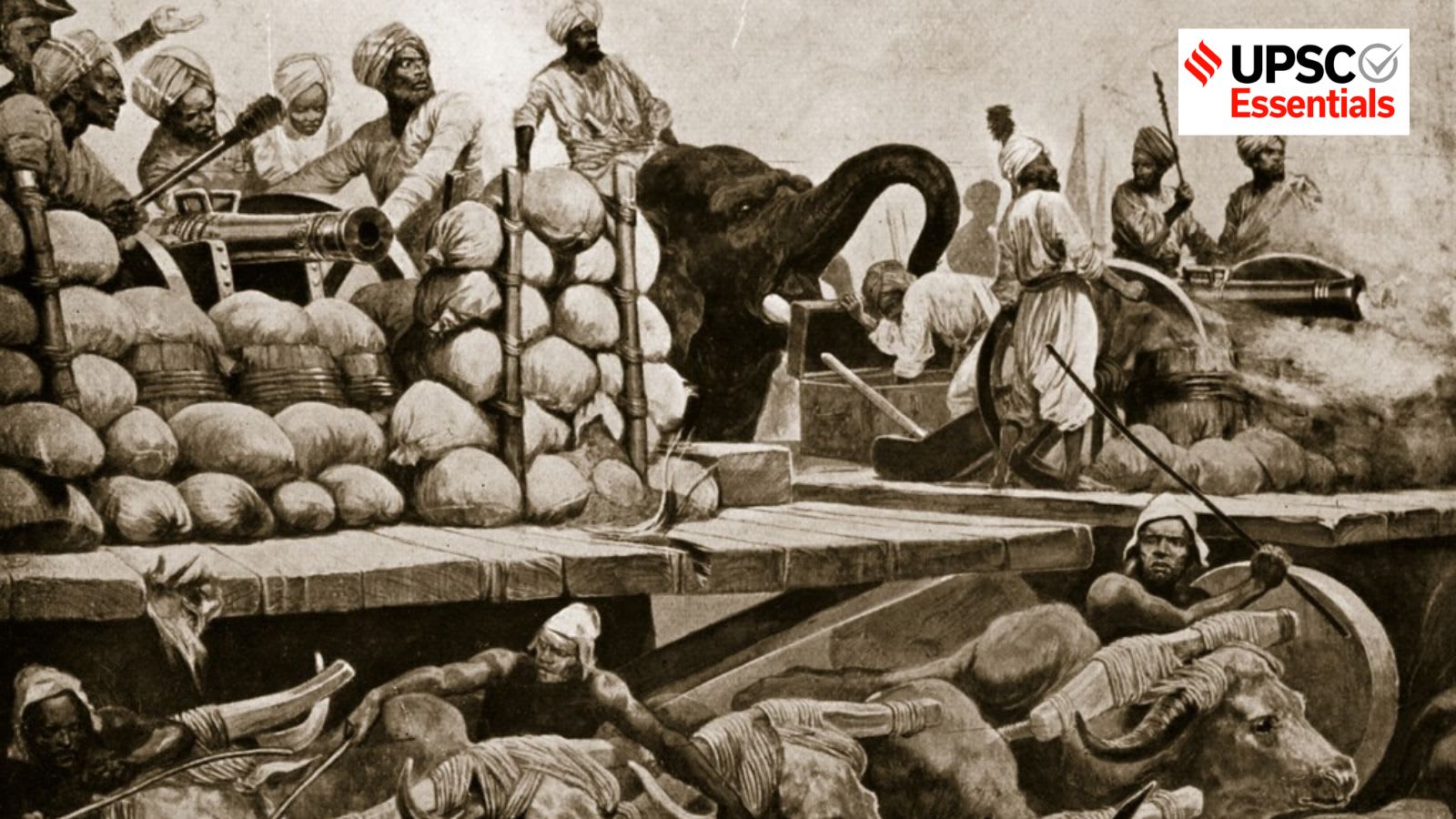
UPSC Essentials has launched a weekly history and culture quiz series to aid aspirants in their civil services preparation. This initiative focuses on static syllabus revision, including questions on influential literature from India's freedom struggle.
Enhancing UPSC Preparation Through Targeted Daily Quizzes
The UPSC Essentials initiative has introduced a structured approach to civil services preparation through its daily subject-wise quizzes. By focusing on the static portion of the syllabus—specifically History and Culture—the platform aims to provide a consistent revision mechanism for aspirants. This approach is critical for the Union Public Service Commission (UPSC) exams, where a deep understanding of core historical events and cultural milestones is essential for success in both the Preliminary and Main examinations.
The Role of Static Syllabus in Civil Services
The static syllabus represents the foundational knowledge required for any civil servant. Unlike current affairs, which fluctuate, the historical context of India’s journey—ranging from the Battle of Plassey to the recognition of cultural sites by UNESCO—remains a cornerstone of the examination. By isolating these topics into daily, manageable segments, students can systematically bridge gaps in their knowledge, ensuring that they are well-versed in the narrative of India's evolution.
Historical Significance of Literature in the Freedom Struggle
A key component of the UPSC Essentials quiz involves testing knowledge on literature that shaped India's independence movement. For instance, the inquiry into the author of Sindhudo, a collection of patriotic poems, highlights how regional literature served as a catalyst for nationalistic fervor. Understanding the contributions of figures like Jhaverchand Meghani or Narmadashankar Dave is not merely an academic exercise; it provides insight into the psychological and cultural mobilization of the youth who participated in the struggle for freedom.
Integrating Modern Learning Tools
The initiative also emphasizes accessibility and community engagement. By providing links to previous quizzes and encouraging feedback through dedicated channels, the platform fosters a collaborative learning environment. This digital integration allows students to track their progress over time, ensuring that they are not just memorizing facts but actively engaging with the material in a way that mirrors the analytical requirements of the actual UPSC paper.
Future Trends in Exam Preparation
As the landscape of competitive examinations evolves, the trend toward micro-learning and frequent self-assessment is becoming increasingly prominent. The UPSC Essentials model reflects a shift toward modular study plans that prioritize high-yield topics. Looking ahead, it is likely that such initiatives will continue to refine their methodologies, incorporating more interactive elements to help aspirants navigate the vast and complex requirements of the civil services syllabus effectively.
Conclusion
In summary, the UPSC Essentials weekly quiz on History and Culture serves as a vital resource for aspirants seeking to solidify their grasp on India’s rich heritage. By combining rigorous content with an accessible format, the initiative supports the long-term academic goals of those preparing for one of the most challenging examinations in the country. Consistent practice, as encouraged by this program, remains the most reliable pathway to mastering the static syllabus.