Neighbours over-trimmed trees for lake view; judge orders $34,064 damages
Source Entity
TOI WORLD DESK
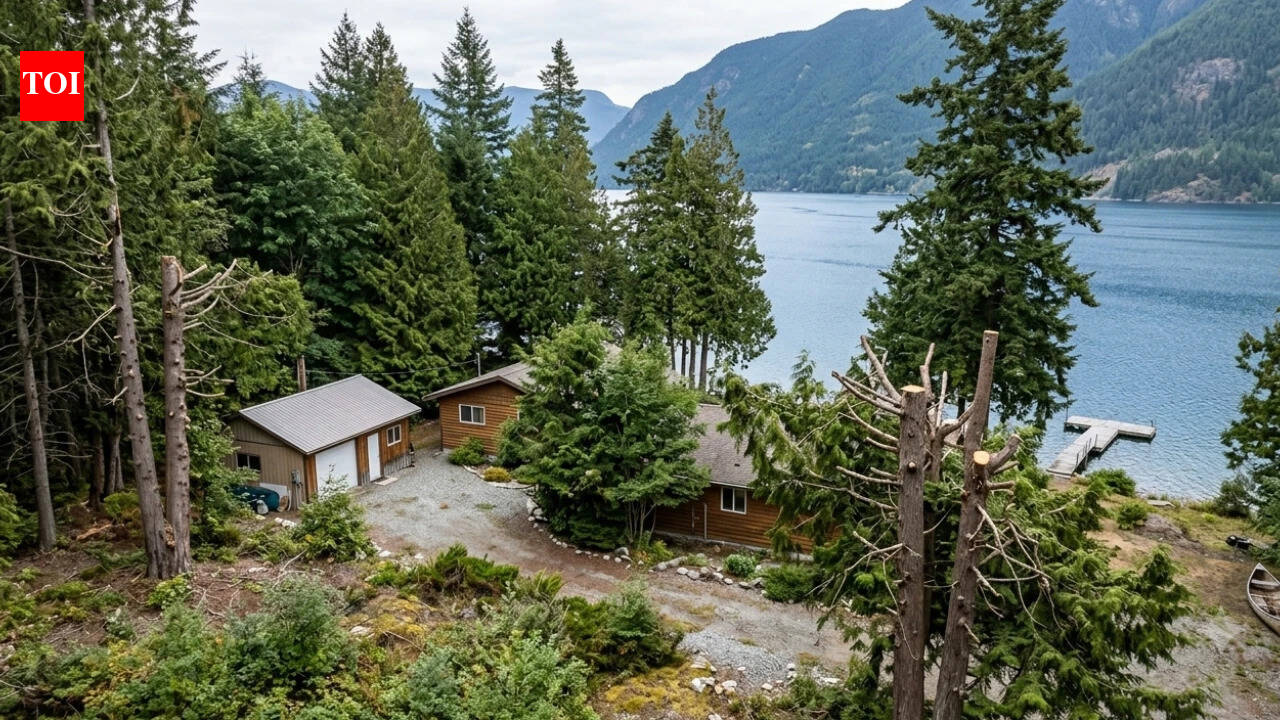
A British Columbia court ordered residents to pay $34,064 in damages after they illegally over-trimmed a neighbor's trees to improve their lake view. The judge ruled the actions constituted trespass, highlighting the importance of clear boundaries and communication in property disputes.
A Costly View: Property Rights and Boundary Disputes in British Columbia
The Incident at Shuswap Lake
In a recent legal development in Sicamous, British Columbia, a property dispute has underscored the precarious nature of neighborly agreements regarding land management. The case centered on Jacalyn Hays, whose backyard trees were significantly over-trimmed by her neighbors in 2021. While Hays initially granted permission for a limited amount of pruning, the eventual result was a drastic clearing of vegetation, which the neighbors justified as an effort to improve their line of sight toward Shuswap Lake. The court eventually determined that this action went far beyond the scope of the original agreement, classifying the unauthorized cutting as a trespass.
Legal Implications of Trespass and Property Damage
The ruling by the provincial court judge serves as a stern reminder of the legal protections afforded to homeowners regarding their private property. By cutting trees without explicit consent for the extent of the work performed, the neighbors infringed upon Hays’s property rights. The judicial decision to award $34,064 in damages is particularly noteworthy because it accounts for more than just the aesthetic loss. The compensation package includes the cost of replacement trees, a new shade structure, and the installation of two air conditioning units—a direct response to the loss of natural shade that Hays previously enjoyed.
The Importance of Communication and Consent
Central to the judge's reasoning was the observation that a simple, clear communication could have prevented the entire litigation process. This case highlights a recurring issue in suburban and rural property management: the tension between individual desires for scenic views and the legal rights of landholders. The judge’s commentary suggests that even when neighbors are on friendly terms, formalizing the scope of work is critical. Relying on verbal understandings or vague permissions often leads to misunderstandings, especially when the motivation—in this case, the enhancement of a lake view—benefits one party more than the other.
Quantifying Environmental and Lifestyle Loss
The financial penalty imposed on the neighbors reflects the tangible impact of the tree removal. The court recognized that the loss of mature trees is not merely a matter of landscaping; it is a loss of ecological value and, in this specific case, a loss of climate control for the residence. By necessitating the installation of air conditioning units, the court acknowledged that the unauthorized trimming fundamentally altered the microclimate of the victim's backyard, making it less comfortable and more expensive to cool. This holistic approach to calculating damages sets a significant precedent for similar property disputes.
Future Trends in Neighborly Disputes
As property values in scenic areas like Shuswap Lake continue to rise, the demand for unobstructed views is likely to increase, potentially leading to more friction between neighbors. This case serves as a cautionary tale for those who might be tempted to take unilateral action to improve their surroundings. Legal experts often advise that any alteration to shared boundaries or neighbor-owned vegetation should be documented in writing, and if the work is substantial, professional arbitration or legal consultation may be necessary to ensure all parties remain protected under the law.