Saudi Seeks Help From France, Britain, Pakistan To Fight Houthis
Source Entity
NDTV News Search Records Found 1000
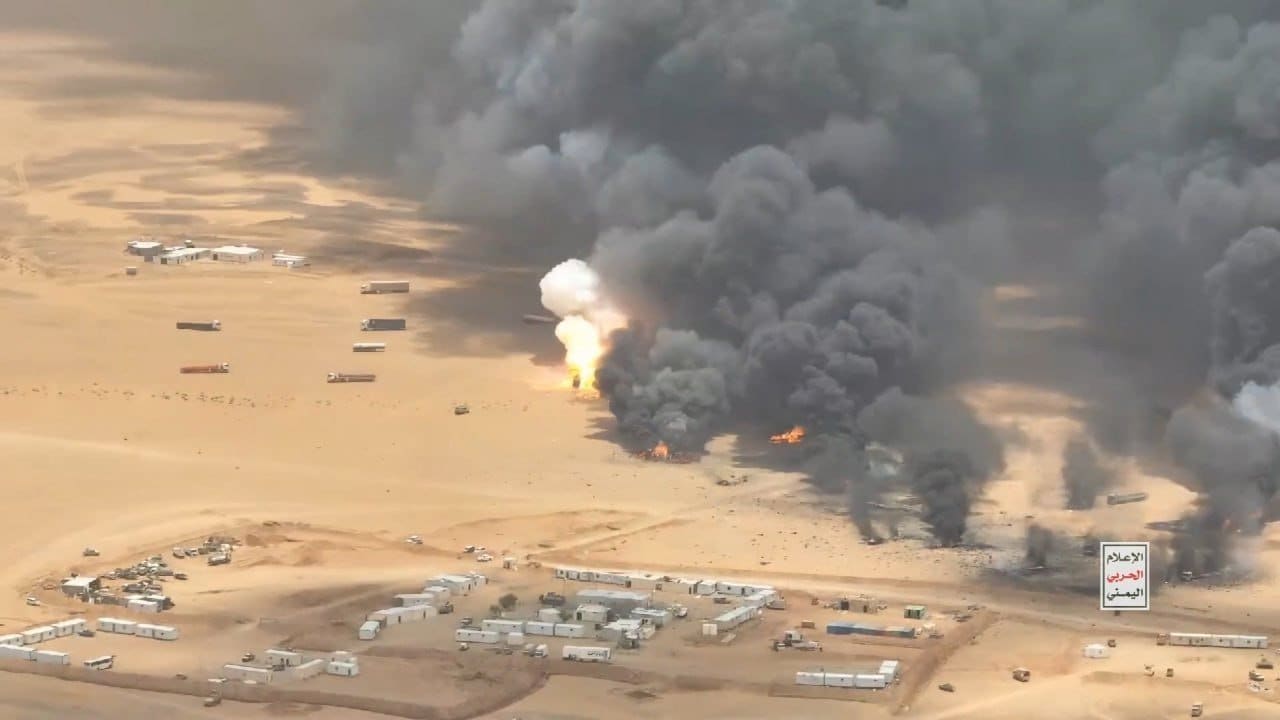
Saudi Arabia claims to have intercepted a Houthi drone targeting Mecca, sparking international condemnation. The Houthi group denies these allegations, asserting that their military operations are strictly limited to Saudi infrastructure and military bases.
Tensions Escalate: The Mecca Drone Incident
Recent reports indicate a significant escalation in the ongoing conflict between the Saudi-led coalition and the Iran-backed Houthi militia. Saudi authorities have officially stated that their air defense systems successfully intercepted and destroyed a drone south of Mecca before it could breach the airspace of Islam’s holiest city. This event marks a critical juncture in the regional conflict, as the sanctity of Mecca serves as the focal point for the annual Hajj pilgrimage and holds immense symbolic importance for the global Muslim community.
The 'Red Line' Doctrine
The Saudi coalition has characterized the security of holy sites as an absolute "red line," vowing swift retaliation in response to the alleged incursion. By framing the protection of Mecca as a non-negotiable security imperative, the Saudi leadership is signaling a hardening of their military posture. This rhetoric is designed to consolidate domestic support and garner international solidarity, highlighting the perceived existential threat posed by the Houthi militia’s expanding operational capabilities.
Houthi Denial and Strategic Framing
In contrast to the Saudi narrative, the Houthi leadership has vehemently denied targeting Mecca or any religious site, dismissing the accusation as an "worn-out lie." The group maintains that their military strategy is intentionally focused on Saudi military installations and oil facilities. By refuting the claim, the Houthis appear to be attempting to avoid the severe diplomatic and religious backlash that would inevitably follow an attack on a sacred site, while simultaneously framing their actions as legitimate military operations against a coalition adversary.
Broader Geopolitical Implications
The incident occurs against a backdrop of volatile regional instability, exacerbated by the broader conflict involving Iran, the United States, and Israel. While the immediate focus remains on the drone interception, the wider context includes stalled negotiations over critical waterways like the Strait of Hormuz. The intersection of these regional power struggles suggests that local skirmishes are increasingly susceptible to being viewed through the lens of larger, existential geopolitical rivalries.
International Condemnation and Future Trends
The Organization of Islamic Cooperation (OIC) has already moved to condemn the alleged strike as a "heinous" act, underscoring the high-stakes nature of the conflict. Looking forward, the diplomatic fallout from this incident is likely to deepen the divide between the coalition members and their regional rivals. As technology allows for more precise and frequent drone operations, the risk of miscalculation or intentional provocation near sensitive cultural sites will remain a persistent threat to regional stability.
Multiple Citing Sources
Verification Required?