Family of 'Putney pusher' suspect blame police pressure for his death
Source Entity
BBC News
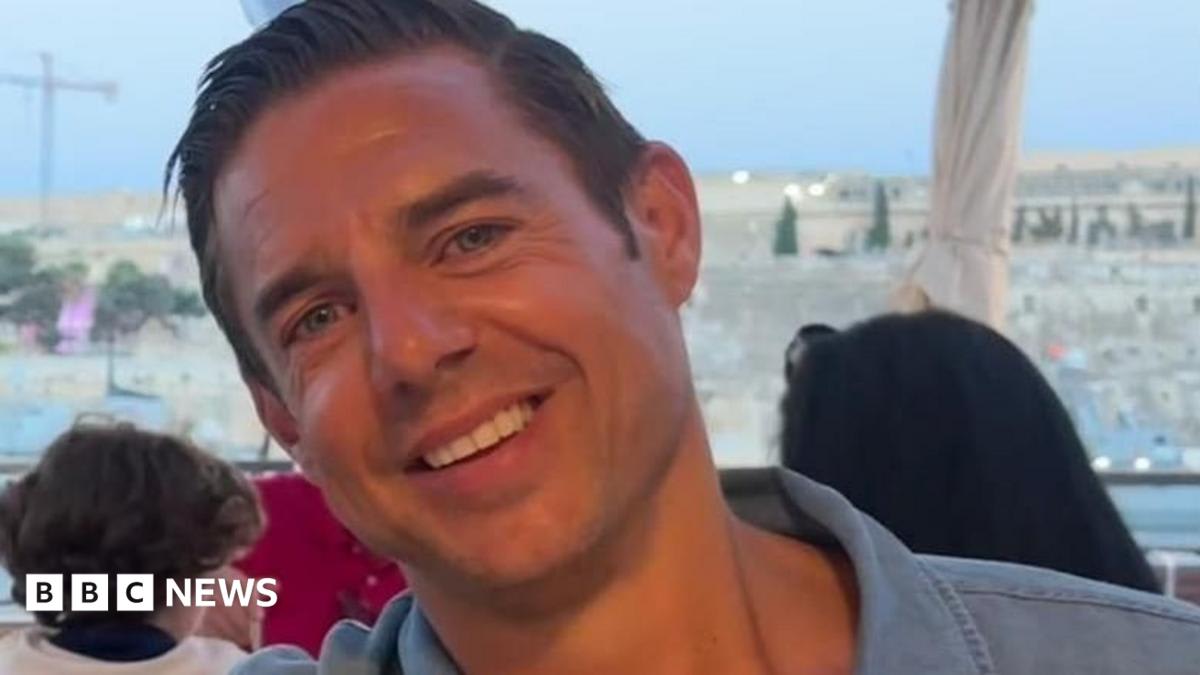
The family of Nicholas Brandram, a man investigated as the 'Putney pusher', claims police pressure led to his suicide. They maintain his innocence, citing a complete lack of forensic evidence linking him to the 2017 incident.
The Tragic Aftermath of the Putney Bridge Investigation
The case of the so-called "Putney pusher" remains one of the most high-profile and distressing mysteries in recent London history. Following the 2017 incident where a woman was pushed into the path of an oncoming bus on Putney Bridge, the Metropolitan Police launched a widespread investigation to identify the jogger captured on CCTV. The recent revelation that Nicholas Brandram, a 44-year-old banker, took his own life while under suspicion has brought renewed scrutiny to the investigative tactics employed by law enforcement during this high-pressure case.
Disputing the Police Narrative
Brandram’s family has come forward with a poignant statement, asserting that the intense scrutiny from the Metropolitan Police directly contributed to his death. Central to their argument is the complete absence of forensic evidence connecting Brandram to the incident. While police investigators focused on identifying the runner seen in the footage, the family maintains that there was no credible evidence to place Brandram on the bridge at that specific time, claiming that the investigative findings actually proved the opposite of the police's working theory.
The Impact of Public and Official Pressure
The psychological toll of being a primary suspect in a major criminal investigation is profound, particularly when the case receives significant media attention. Brandram’s family describes months of "immense pressure" that ultimately led to his suicide following his arrest in June. This situation raises critical questions regarding how authorities balance the necessity of thorough investigations with the mental well-being of those under suspicion, especially when the evidence remains circumstantial or inconclusive.
Forensic Scrutiny and Procedural Transparency
In high-stakes criminal investigations, the burden of proof is paramount. The family’s insistence that there was no forensic link between Brandram and the crime scene highlights the potential dangers of "tunnel vision" in policing. When investigators become hyper-focused on a specific individual based on superficial similarities—such as being a jogger in the area—without robust forensic corroboration, the consequences for the accused can be catastrophic. The family’s public statement serves as a critique of the investigative process and a demand for accountability regarding how such suspicions are managed.
Broader Implications for Law Enforcement
This incident serves as a somber reminder of the human cost associated with criminal justice procedures. While the Metropolitan Police have been requested to comment, the case highlights an ongoing tension between the public's desire for justice and the rights of individuals to be treated as innocent until proven guilty. As the investigation into the original 2017 incident continues to be a subject of public interest, the tragedy of Nicholas Brandram will likely remain a focal point in discussions about police accountability and the handling of sensitive suspect identification processes.