US-Contracted Vessel Hit By Iranian Missiles Near Strait Of Hormuz: Report
Source Entity
NDTV News Search Records Found 1000
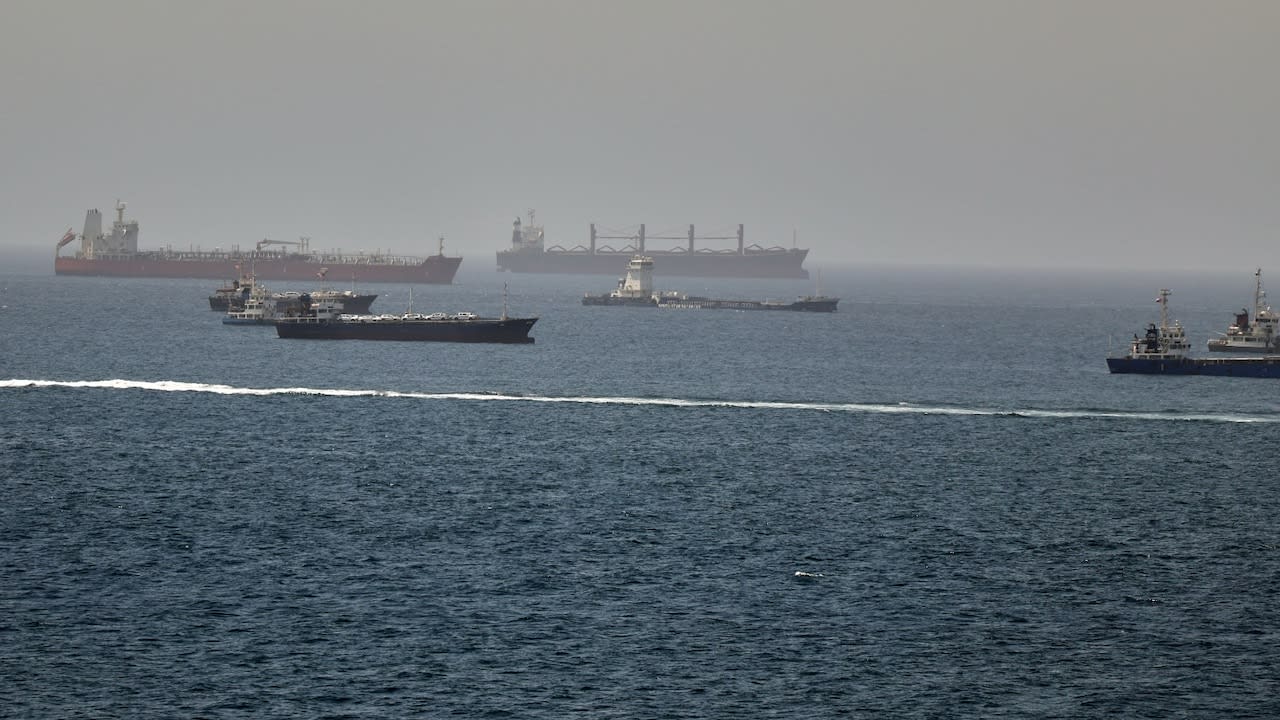
A US-contracted vessel carrying American personnel was reportedly struck by Iranian missiles near the Strait of Hormuz. This incident marks a significant escalation in maritime tensions within a vital global shipping chokepoint.
Tensions Escalate in the Strait of Hormuz
Recent reports indicate that a vessel under contract with the United States was struck by Iranian missiles in the vicinity of the Strait of Hormuz. This incident, which reportedly involved the presence of several U.S. individuals on board, represents a significant escalation in the ongoing maritime volatility that has long characterized this strategic waterway. The Strait of Hormuz serves as one of the world's most critical oil chokepoints, and any kinetic activity involving U.S.-linked assets in this region carries profound implications for global energy markets and regional security architecture.
Strategic Significance of the Strait
The Strait of Hormuz is a narrow passage connecting the Persian Gulf with the Gulf of Oman and the Arabian Sea. A substantial portion of the world's liquified natural gas and petroleum output passes through this corridor daily. By targeting a vessel with U.S. ties, the perpetrators have effectively signaled their willingness to challenge the status quo in a region where the U.S. Navy maintains a persistent presence to ensure freedom of navigation. This event must be viewed through the lens of long-standing geopolitical friction between Washington and Tehran.
The Human Element and Diplomatic Risks
The confirmed presence of U.S. individuals on the vessel elevates the severity of this incident from a maritime logistics issue to a potential diplomatic crisis. When non-combatant U.S. citizens are caught in the crossfire of missile strikes, it creates immediate pressure on the U.S. administration to respond—either through diplomatic channels, increased military posturing, or targeted sanctions. The direct engagement of a vessel contracted by the U.S. suggests a departure from the more indirect forms of harassment often observed in these waters.
Historical Context of Maritime Harassment
Historically, the waters surrounding the Strait of Hormuz have been a theater for 'gray zone' warfare, characterized by asymmetric tactics such as drone surveillance, harassment of commercial tankers, and the seizure of foreign-flagged vessels. This latest missile attack, however, indicates a shift toward more overt kinetic force. Experts have long warned that the accumulation of these smaller incidents could eventually lead to a miscalculation, resulting in a larger-scale regional confrontation.
Future Implications and Market Stability
Moving forward, the primary concern for global stakeholders is the potential for a sustained disruption of shipping lanes. If insurance premiums for vessels traversing the Strait spike due to this attack, the resulting economic ripple effects will be felt globally through increased transportation costs. Furthermore, the U.S. response will likely focus on strengthening maritime patrols and reinforcing alliances with regional partners to deter future aggression, creating a cycle of escalation that remains difficult to break.
Concluding Assessment
In summary, the missile strike on the U.S.-contracted vessel is a critical development that underscores the fragility of the peace in the Persian Gulf. By involving U.S. personnel directly, the incident forces a confrontation that transcends mere commercial interests. As the situation develops, the international community will be watching closely to see if this remains an isolated event or the catalyst for a more protracted period of instability in one of the world's most vital economic arteries.
Verification Required?