Anonymous donor gives Cincinnati $1.8 million to restore 228 acres of forest
Source Entity
TOI WORLD DESK
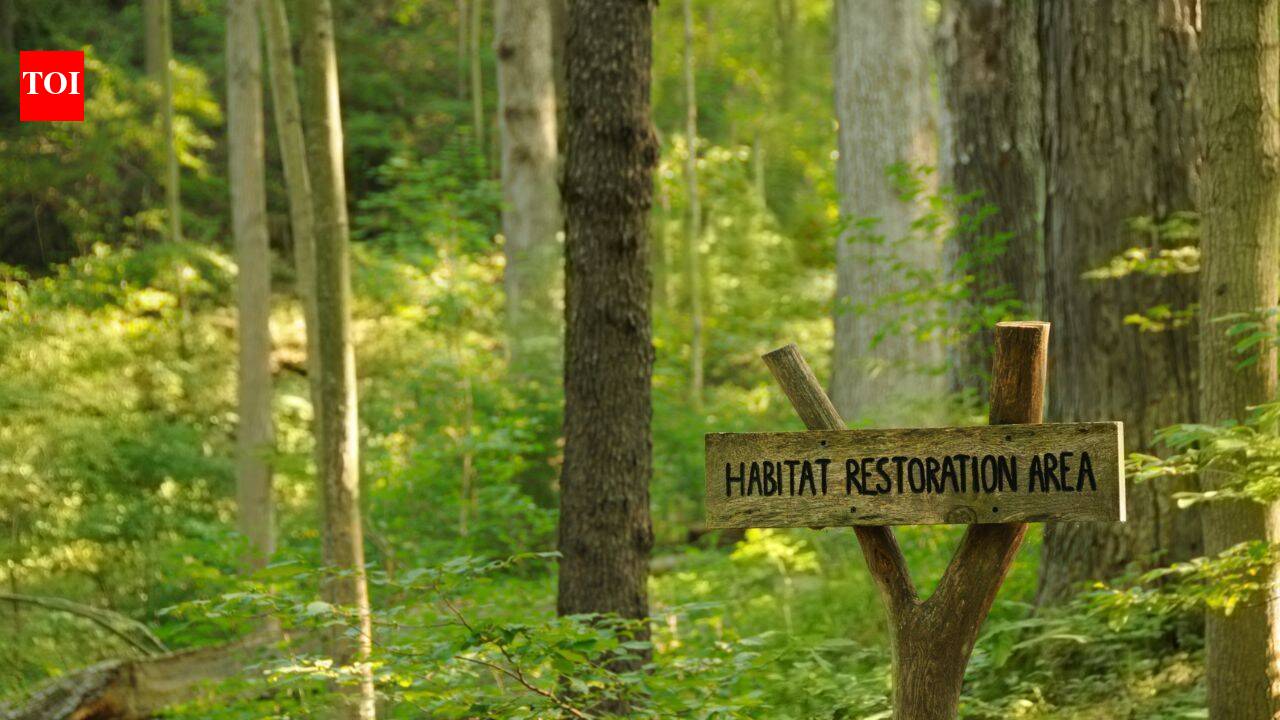
An anonymous $1.8 million donation is funding a major five-year reforestation project at Cincinnati's French Park. This initiative aims to restore 228 acres of land by removing invasive species and planting native trees.
A Landmark Investment in Urban Ecology
In a significant boost for urban conservation, the city of Cincinnati has received an anonymous $1.8 million donation dedicated to the restoration of 228 acres of forest at French Park in Amberley Village. This five-year initiative marks the most ambitious reforestation effort undertaken by the city’s parks department in nearly a century, signaling a renewed commitment to preserving local biodiversity within a metropolitan landscape.
Scope and Objectives of the Reforestation
The project is comprehensive in its approach to ecological restoration. By focusing on the removal of invasive plant species that threaten the integrity of the local ecosystem, the initiative clears the path for the reintroduction of native flora. The planting of native trees is expected to stabilize soil, improve air quality, and bolster the resilience of the forest against changing environmental conditions. Beyond mere planting, the project aims to improve wildlife habitats and revitalize recreational infrastructure, including trails and access points.
Professional Oversight and Stewardship
A critical component of this donation is the funding of a dedicated Natural Resource Specialist. This role ensures that the restoration is not a one-time event but a supervised, long-term endeavor. By providing professional oversight, the city ensures that the ecological goals are met with scientific precision, allowing for adaptive management throughout the five-year lifecycle of the project.
The Historical and Ecological Significance of French Park
French Park encompasses over 280 acres of diverse terrain, including wooded hillsides, active creeks, and meadows. These features are vital for the health of the local watershed and serve as a sanctuary for native wildlife. The restoration of 228 acres within this park is not just an aesthetic improvement; it is an essential intervention to preserve one of Cincinnati’s most significant natural assets, which has long served as a backdrop for community events and public recreation.
Future Implications for Urban Forestry
The Cincinnati Parks Foundation has expressed optimism that this project will serve as a scalable model for other urban centers. As cities across the United States grapple with the pressures of development and climate change, the success of this restoration could provide a blueprint for how municipalities can partner with private philanthropy to rehabilitate degraded urban forests. If successful, this effort may inspire similar initiatives across the broader Cincinnati park system, establishing a new standard for urban environmental stewardship.