Building anganwadis as an act of care
Source Entity
Latest News: Todays Latest News Headlines from India & World | Hindustan Times | Hindustan Times
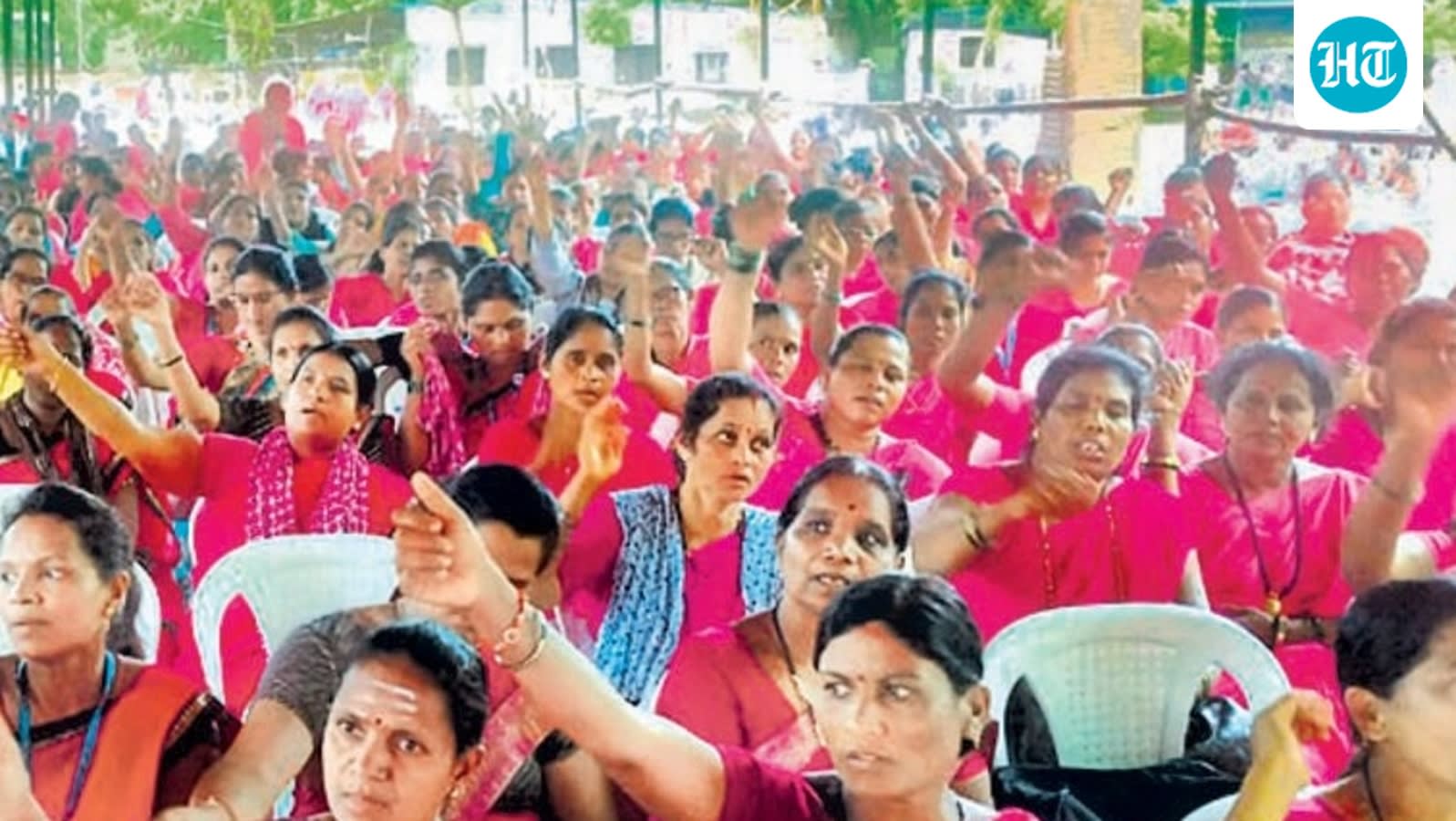
The transformation of modest Anganwadi spaces into nurturing environments significantly impacts early childhood development. By focusing on thoughtful design and accessible tools, these centers can unlock critical learning potential in underserved communities.
The Architecture of Care: Redefining Anganwadis
The narrative of a young boy in Delhi’s Jahangirpuri, who began to speak after observing his peers in a local creche, serves as a profound testament to the power of early childhood environments. As detailed by Deepika Mogilishetty of the EkStep Foundation, this child, initially misidentified as non-verbal due to his parents' deafness, found his voice through simple environmental interventions. This case underscores that the physical infrastructure of early childhood centers is not merely a logistical necessity but a foundational element of pedagogical success.
Designing for Development
Architect Swati Janu, through her work with the Bachpan Manao masterclass, has championed the philosophy that space acts as a silent educator. The installation of a mirror at a child’s eye level—a low-cost, high-impact architectural choice—provided the necessary feedback loop for the child to mimic speech patterns. This highlights a shift in policy focus: moving away from viewing Anganwadis as mere distribution centers for nutrition to seeing them as vibrant, stimulating environments that foster cognitive and linguistic growth.
The Role of Anganwadi Workers
While physical design is critical, it is inextricably linked to the dedication of Anganwadi workers. These frontline workers act as the bridge between stagnant, cramped spaces and active learning environments. By integrating thoughtful design into their daily operations, these professionals can mitigate the disadvantages faced by children in urban clusters like Jahangirpuri, where living conditions are often constrained and lack the resources for developmental stimulation.
Socio-Economic Implications
In the broader context of India’s social development, the Anganwadi system represents the backbone of early childhood care. However, the quality of these spaces often varies significantly based on resources. The argument presented here is that significant developmental leaps do not always require massive capital expenditure. Instead, they require a design-led approach that prioritizes accessibility, safety, and sensory engagement, proving that even the most modest rooms can be optimized for human potential.
Future Trends in Early Childhood Policy
Looking ahead, the integration of architectural principles into early childhood education policy is likely to gain momentum. As organizations like the EkStep Foundation and experts like Janu demonstrate, policy and partnerships must prioritize 'spaces of care.' By institutionalizing these design standards, the government could standardize the quality of early learning experiences across the country, ensuring that children from marginalized backgrounds receive the foundational support necessary for long-term success.
Conclusion
The transformation of Jahangirpuri’s creche is a microcosm of a larger movement in India to reclaim early childhood education. By viewing the Anganwadi not just as a government center, but as a place of human development, policymakers can unlock the potential of millions. The lesson is clear: when we invest in the architecture of care, we are investing in the future of the nation’s youngest citizens.
Verification Required?