Burnham 'confident' early release of PC Harper's killers can be halted
Source Entity
BBC News
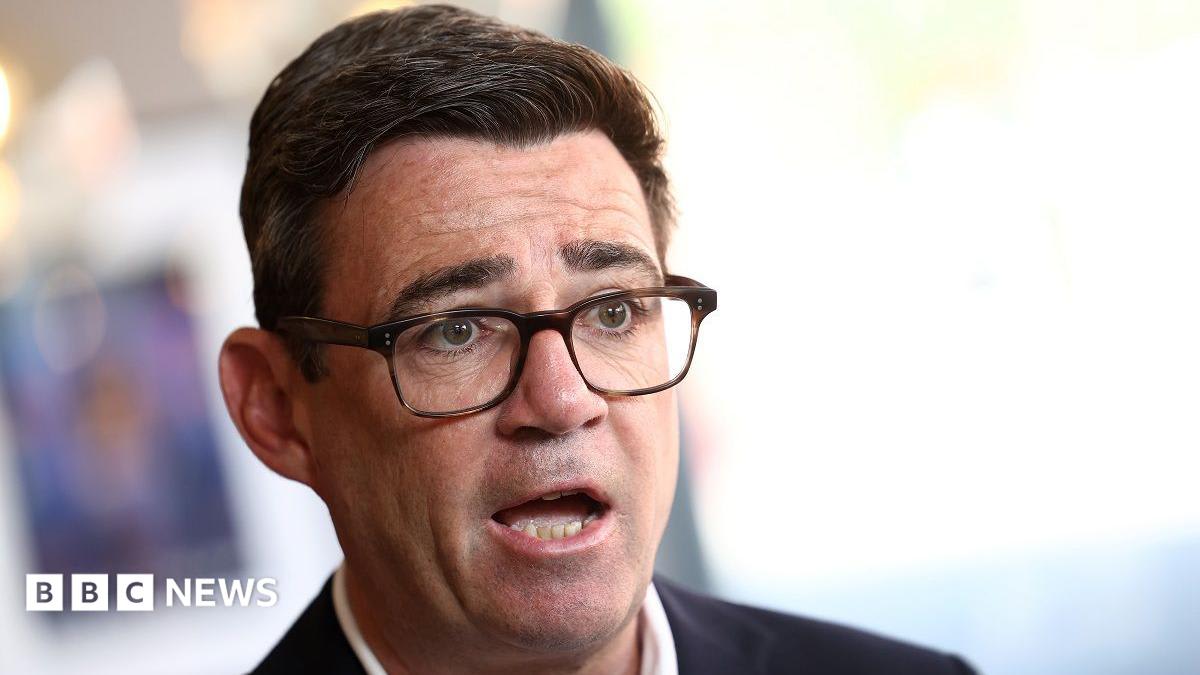
Prime Minister Andy Burnham has ordered the justice secretary to find a legal mechanism to prevent the early release of PC Andrew Harper's killers. The move follows significant public pressure and a shift in government policy regarding the scheme intended to alleviate prison overcrowding.
The Evolving Stance on Early Release
Prime Minister Andy Burnham has signaled a significant policy pivot regarding the government's prison overcrowding strategy. After facing intense public outcry, the Prime Minister is now expressing confidence that Jessie Cole and Albert Bowers—convicted of the 2020 manslaughter of PC Andrew Harper—can be excluded from an early release scheme. This directive represents a sharp departure from the government’s previous position, which had suggested that carving out exceptions for specific offenders would be legally and logistically impossible without compromising the broader integrity of the prison system.
The Context of the Harper Case
The case centers on the tragic 2019 death of PC Andrew Harper, a 28-year-old officer from Wallingford, Oxfordshire. PC Harper was killed while attempting to stop a quad bike theft in Berkshire, during which he was dragged behind the perpetrators' getaway vehicle. The conviction of Cole and Bowers for manslaughter in 2020 left a lasting impact on the public consciousness, and the recent news that they might qualify for early release under the government's new capacity-relief measures sparked immediate distress for the victim's family. Debbie Adlam, PC Harper’s mother, has been vocal about the emotional turmoil caused by the prospect of early release, advocating for a broader policy change that protects emergency workers.
Legislative Hurdles and Policy Shifts
The government's initial reluctance to intervene was rooted in the complexity of the Sentencing Act. Under recent amendments, Cole and Bowers—who were initially required to serve at least two-thirds of their sentence—became eligible for earlier consideration. Downing Street had previously warned that selectively excluding individual offenders could set a precarious precedent, potentially destabilizing the mechanisms meant to free up space for approximately 5,000 prisoners across England and Wales. By tasking the justice secretary with finding a specific legal remedy, the Prime Minister is attempting to balance the urgent need for prison space with the political and moral necessity of addressing public sentiment regarding violent crimes against police.
Broader Implications for Justice Policy
This development raises critical questions about the future of sentencing and the management of prison populations. The tension between managing systemic overcrowding and maintaining public confidence in the judicial system is a recurring challenge for the administration. By seeking a solution that specifically targets the killers of emergency workers, the government is navigating a narrow path between established sentencing guidelines and the demand for justice. This move suggests that the government may be moving toward a more nuanced, category-based approach to early release, rather than a blanket application of the policy.
Future Trends and Conclusion
As the justice secretary prepares to present a detailed plan in September, the outcome will likely set a tone for how the government addresses similar cases in the future. The shift suggests that while prison capacity remains a critical issue, political accountability and the specific nature of violent offenses against emergency personnel have become non-negotiable factors for the current administration. Moving forward, we can expect the government to refine its criteria for release schemes, likely creating more robust safeguards for cases involving violent crimes to avoid similar political and emotional crises in the future.