Burnham to unveil public body to invest in electricity grid
Source Entity
BBC News
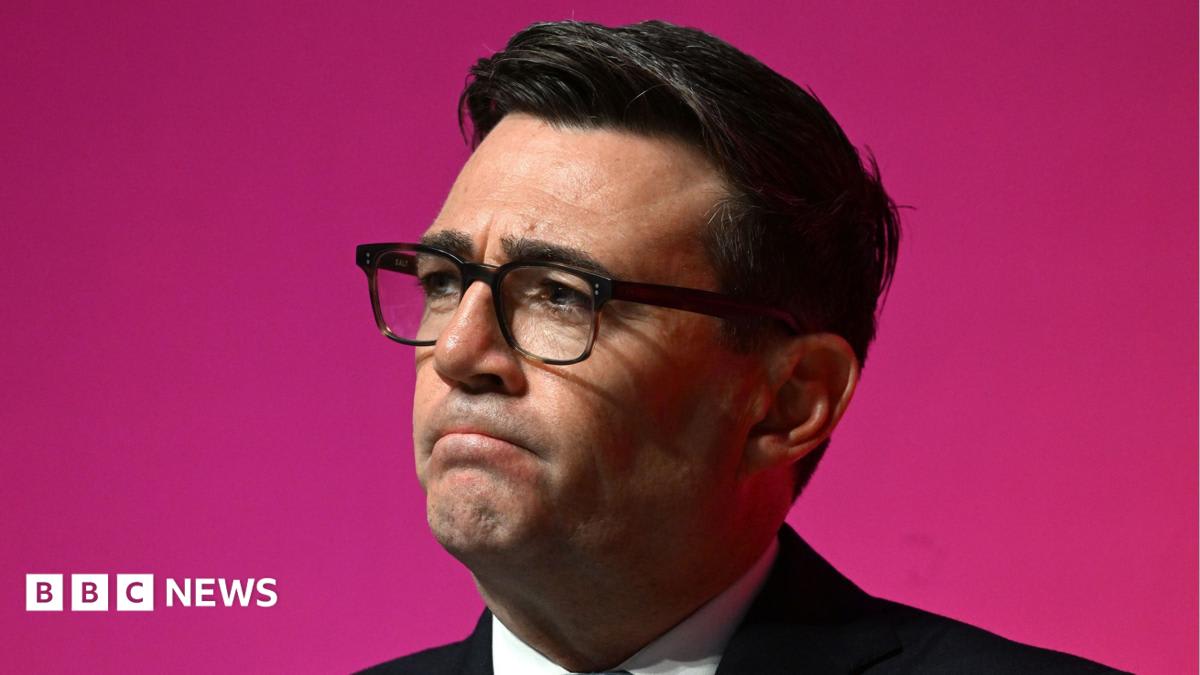
Prime Minister Andy Burnham is set to launch 'Great British Grid,' a public body aimed at accelerating electricity connections to lower national energy costs. The initiative serves as a cornerstone of his economic strategy, alongside funding plans for a new NHS-style social care system.
The Launch of Great British Grid: A Strategic Infrastructure Overhaul
Prime Minister Andy Burnham is poised to make a significant policy shift during his inaugural party conference speech as Labour leader in Liverpool. The centerpiece of his address will be the announcement of a new government-backed body, tentatively branded as 'Great British Grid.' This initiative represents a direct intervention into the nation's energy infrastructure, designed specifically to modernize the electricity grid and address the long-standing issue of slow connection times that have hindered development and efficiency.
Driving Competition and Reducing Costs
The fundamental mission of the Great British Grid is to accelerate the pace of grid hook-ups for new projects. By fostering greater competition among providers for these connection contracts, the government aims to strip away the bureaucratic inefficiencies that currently inflate costs. This move is not merely administrative; it is a calculated effort to bring UK energy costs into parity with European counterparts within the next decade, a goal that Burnham intends to position as a hallmark of his administration.
Integrating Energy and Social Policy
Beyond energy infrastructure, the Prime Minister is expected to use the conference platform to bridge the gap between industrial strategy and social welfare. Following his weekend announcement regarding a new NHS-style social care system for England, Burnham will provide crucial details on the fiscal mechanisms intended to fund this ambitious project. By linking the efficiency gains from the Great British Grid to the broader national budget, the government is attempting to demonstrate a cohesive economic narrative that manages essential services through structural reform.
Long-term Economic Implications
The ambition to provide greater energy security and affordability is a critical component of Burnham’s broader economic vision. By treating the grid as a strategic public asset, the Labour leadership is signaling a departure from previous hands-off approaches to energy infrastructure. The success of this body will likely be measured by its ability to attract private investment while ensuring that public oversight remains sufficient to keep costs low for the average consumer.
Future Trends and Political Stakes
As this proposal moves from the conference stage to implementation, the political stakes for Burnham remain high. The success of the Great British Grid will serve as a bellwether for his leadership style and his ability to deliver on complex infrastructure goals. If the initiative succeeds in lowering energy prices as promised, it could provide the necessary fiscal headroom to support the proposed social care reforms. Conversely, any delay in grid integration could jeopardize the government's credibility regarding its ten-year economic roadmap.
Conclusion
In summary, Andy Burnham’s announcement in Liverpool marks a pivotal moment for his tenure as Prime Minister. By prioritizing the modernization of the electricity grid and simultaneously addressing the funding of social care, his administration is attempting a dual-track strategy of infrastructure investment and social reform. The effectiveness of the Great British Grid will ultimately determine whether the government can achieve its ambitious goal of aligning UK energy costs with the rest of Europe.