Cabinet clears Rs 10,000 crore fund to support small, medium enterprises
Source Entity
Pratyush Deep, Ravi Dutta Mishra
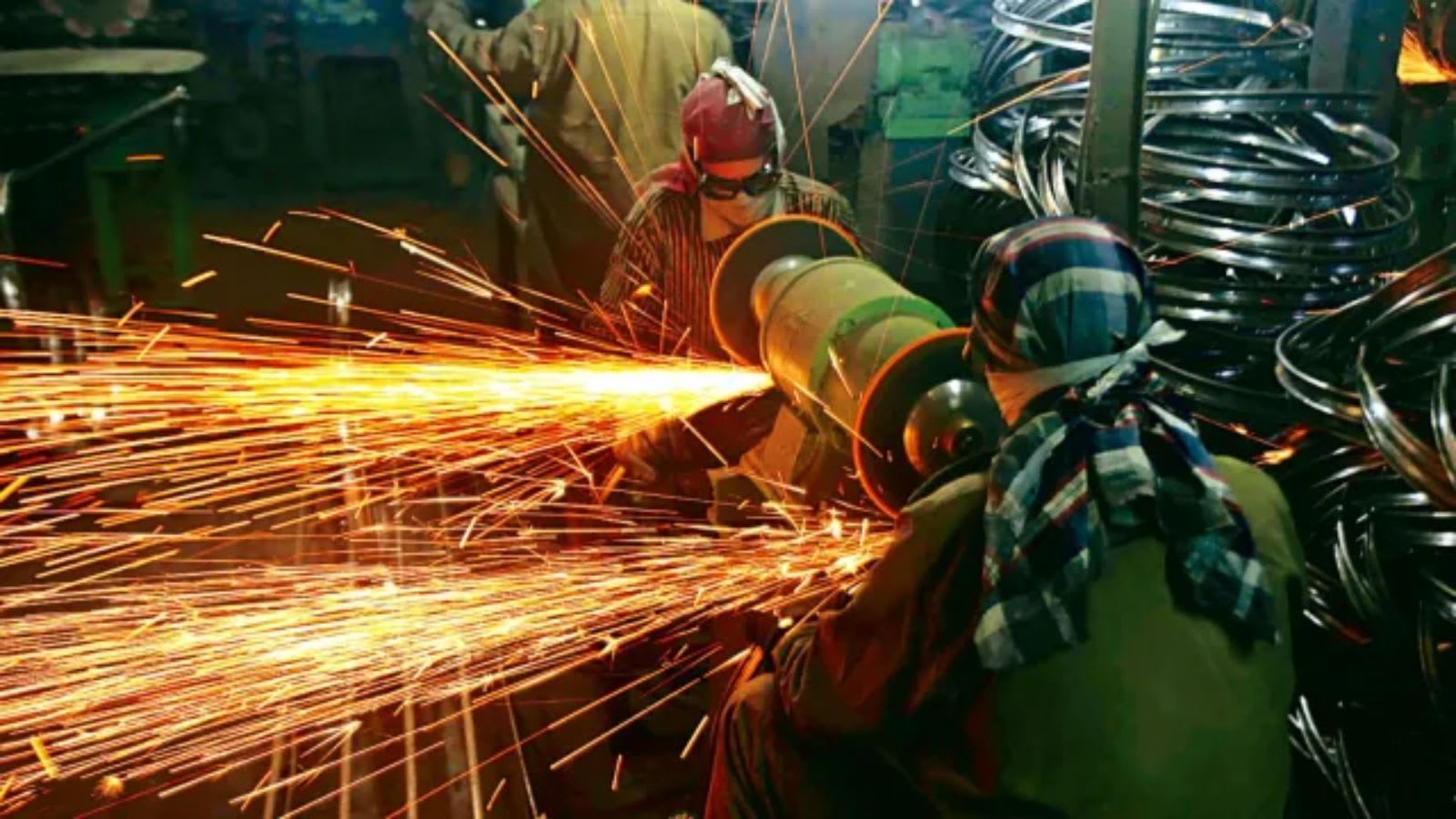
The Union Cabinet has approved the Integrated Transport Logistics Authority to unify national transport planning across all sectors. Additionally, a new Rs 10,000 crore SME Growth Fund was established to bridge the equity gap for manufacturing enterprises in Tier-II and Tier-III cities.
A Unified Vision for Indian Infrastructure
The Union Cabinet’s recent decision to establish the Integrated Transport & Logistics Authority (ITLA) marks a transformative shift in how India approaches infrastructure development. By creating a Special Purpose Vehicle to act as an apex body, the government is moving away from the fragmented, siloed planning that has historically characterized the roads, rail, ports, aviation, and waterways sectors. This centralized authority is tasked with creating a National Transport Master Plan with a horizon of at least 10 years, ensuring that future capacity expansion is inherently multi-modal.
Strategic Coordination and Economic Efficiency
As noted by Union Railway Minister Ashwini Vaishnaw, the necessity for this integration is driven by the reality that logistics demand often outpaces GDP growth—typically at a ratio of 7% GDP growth to 10% in logistics requirements. By mandating that short-term and annual sectoral plans be vetted against the 10-year master plan, the ITLA will ensure that infrastructure investments are not merely isolated projects but components of a cohesive network. Furthermore, the ITLA’s responsibility to technically appraise all infrastructure projects costing ₹500 crore or more introduces a rigorous layer of oversight that aims to optimize resource allocation and prevent redundant capacity building.
Bridging the Capital Gap for SMEs
Complementing the infrastructure push, the Cabinet also approved the Rs 10,000 crore SME Growth Fund (SGF). This initiative, initially announced in the 2026-27 Union Budget, addresses a critical structural gap in the financial ecosystem. While micro-enterprises and early-stage startups have historically had access to various forms of equity support, established small and medium manufacturing enterprises have often struggled to secure growth-stage capital. By targeting these specific segments, particularly those within industrial clusters in Tier-II and Tier-III cities, the government is aiming to decentralize industrial growth and strengthen the manufacturing backbone of the country.
The Synergy of Infrastructure and Industry
There is a profound synergy between the establishment of the ITLA and the SME Growth Fund. Effective logistics are the lifeblood of manufacturing; by lowering the cost and increasing the efficiency of transport networks through the ITLA’s unified planning, the government is simultaneously improving the operational viability of the SMEs supported by the new fund. Tier-II and Tier-III cities, which are often limited by last-mile connectivity and logistical bottlenecks, stand to benefit significantly as the ITLA aligns multi-modal transport infrastructure with the needs of emerging industrial clusters.
Future Trends and Outlook
Looking ahead, these developments suggest a government strategy focused on long-term structural efficiency rather than short-term gains. The ITLA’s oversight role signals a move toward data-driven governance, where infrastructure decisions are backed by integrated datasets rather than ministerial preference. Similarly, the SME Growth Fund reflects a maturation of the Indian financial support system, moving beyond mere credit support toward equity-based growth models. If successfully implemented, these dual initiatives will likely result in a more resilient supply chain and a more geographically diverse manufacturing landscape, positioning India to better manage the complexities of a rapidly growing economy.
Multiple Citing Sources