These 5 chip stocks are cheaper than the S&P 500 — and offer faster growth
Source Entity
Britney Nguyen
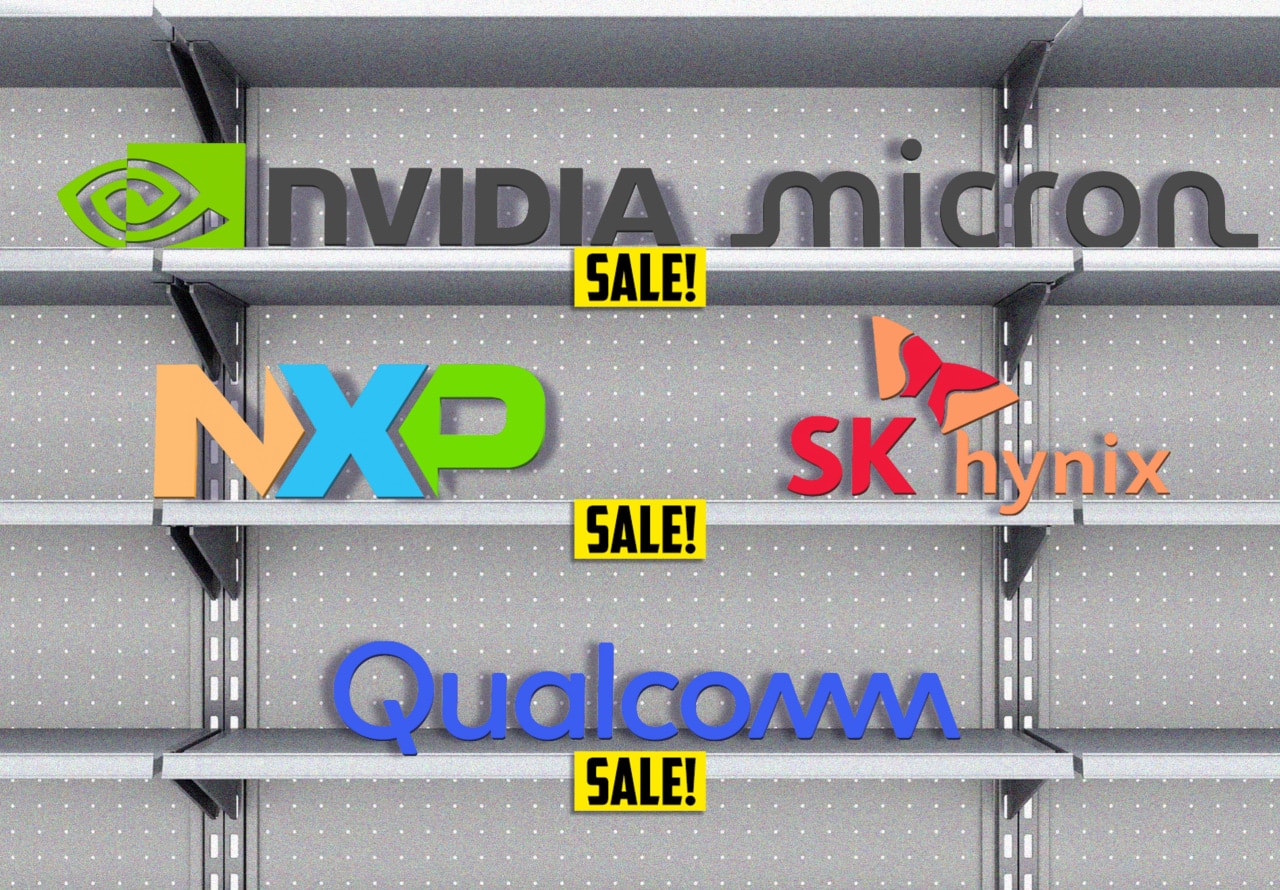
Major semiconductor firms like Micron and Nvidia are currently showing strong cash flow alongside attractive stock valuations. These companies present growth potential that outpaces the broader S&P 500 market index.
The Semiconductor Valuation Paradox
The semiconductor industry is currently navigating a unique financial landscape where high-profile entities like Micron and Nvidia are exhibiting a rare combination of robust cash generation and relatively inexpensive stock valuations compared to the broader S&P 500 index. While the S&P 500 often reflects the aggregate performance of the U.S. economy, these specific chip manufacturers appear to be decoupled from general market pricing, offering investors a distinctive value proposition rooted in their ability to maintain high margins despite broader economic volatility.
Cash Flow as a Growth Engine
At the heart of this trend is the aggressive cash-raking capability of top-tier semiconductor firms. Unlike companies that rely heavily on speculative future earnings, firms like Nvidia and Micron have demonstrated a consistent ability to convert innovation into liquid capital. This financial strength provides a cushion against market downturns and allows these companies to reinvest in R&D, maintaining their competitive edge in an industry where technological obsolescence is a constant threat.
Assessing the Valuation Gap
When analyzing the price-to-earnings ratios of these chip stocks against the S&P 500, a clear disparity emerges. Many investors have historically viewed semiconductor stocks as cyclical and high-risk; however, the current market data suggests that the valuation multiples for these companies have not fully caught up to their accelerated growth trajectories. This 'inexpensive' status, relative to their earnings potential, suggests that the market may be underestimating the long-term demand for high-performance computing hardware.
The Macroeconomic Implications
The broader implication of this trend is the increasing reliance of the global economy on semiconductor infrastructure. As industries ranging from automotive to artificial intelligence continue to integrate advanced chips, companies that can manufacture these components efficiently are positioned to capture an outsized share of market value. The fact that these stocks remain attractively priced despite this demand indicates a significant opportunity for growth-oriented portfolios.
Historical Context and Future Trends
Historically, the semiconductor sector has been characterized by boom-and-bust cycles. However, the current shift toward AI and cloud computing has created a more permanent demand floor. As we look toward future trends, the ability of companies like Micron and Nvidia to sustain their growth will likely depend on their success in managing supply chain complexities and maintaining technological leadership. Investors who recognize this value gap now may be well-positioned for long-term appreciation as these companies continue to outperform traditional market benchmarks.
Verification Required?