E. Coli in your water: CAG exposes shocking contamination at Delhi, Mumbai & major railway stations
Source Entity
Latest News: Todays Latest News Headlines from India & World | Hindustan Times | Hindustan Times
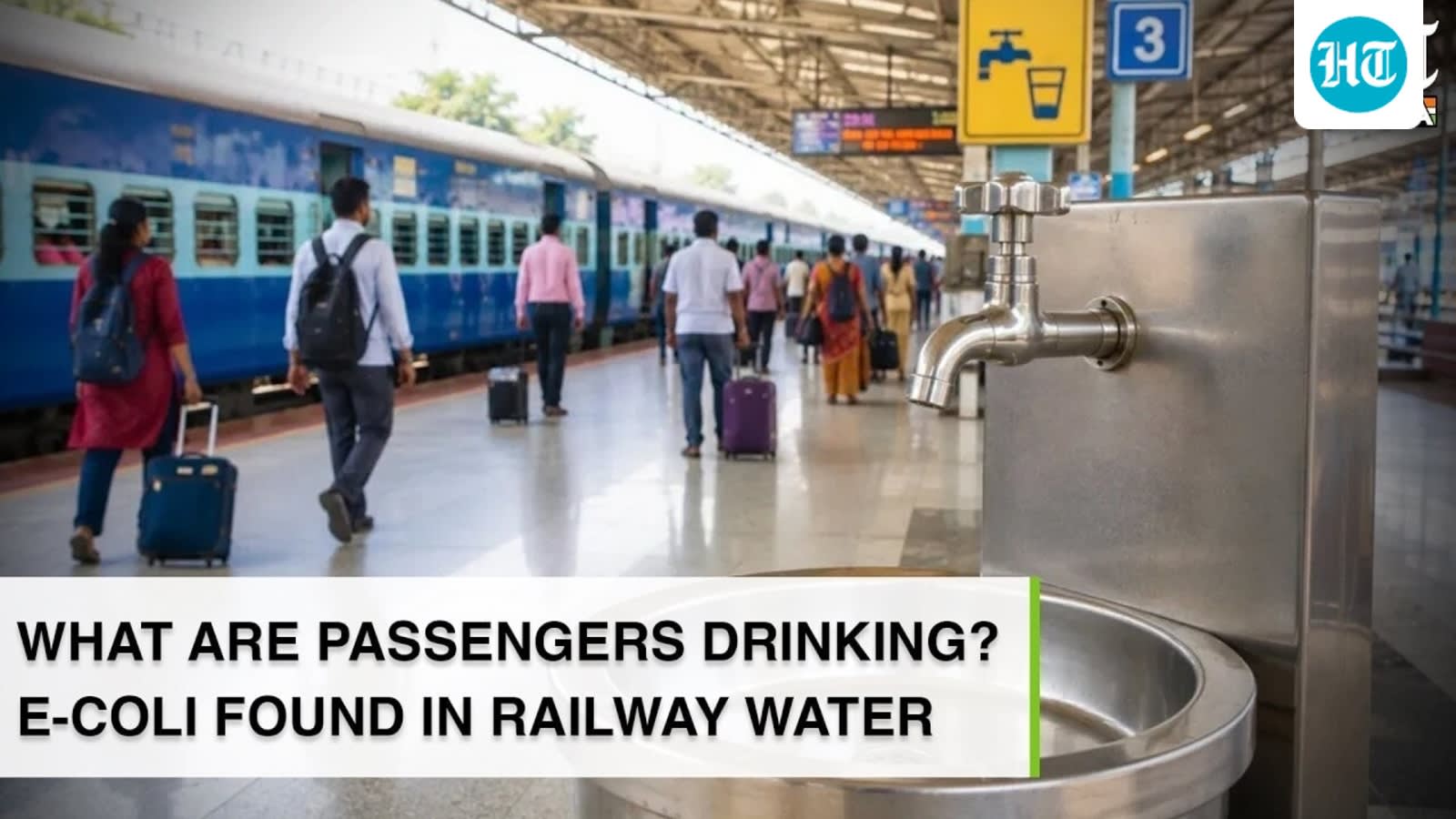
A recent CAG audit of 512 Indian railway stations revealed that 89% lack essential amenities, with severe concerns regarding water quality. Tests confirmed the presence of E. coli bacteria in drinking water supplies at multiple major stations across the country.
Systemic Failures in Indian Railways: A CAG Audit Analysis
The Scope of the Crisis
A comprehensive audit conducted by the Comptroller and Auditor General (CAG) of India has brought to light alarming deficiencies within the nation's railway infrastructure. Covering 512 stations between 2019-20 and 2023-24, the report reveals that 458 stations—nearly 89% of those audited—failed to meet the criteria for minimum essential amenities. This indicates a widespread systemic struggle to maintain basic public services for millions of daily passengers.
Public Health Hazards: The Presence of E. Coli
Perhaps the most concerning finding is the detection of E. coli bacteria in drinking water samples collected from water coolers and taps at various stations. Because E. coli is typically associated with human excreta, its presence suggests severe contamination of the water supply chain. Stations ranging from major hubs like New Delhi and Mumbai Central to regional nodes like Hyderabad and Coimbatore have flagged these dangerous levels, posing a direct threat to passenger health.
Infrastructure Deficits
Beyond water quality, the audit highlights a staggering lack of basic infrastructure. The data shows that 42% of stations lack adequate fans, 40% are missing functioning water coolers, and 27% have insufficient drinking water taps. Furthermore, 22% of stations surveyed lacked adequate urinal facilities, while 12% were missing basic latrines. These findings underscore a significant gap between the intended passenger experience and the ground reality for commuters.
The Amrit Bharat Station Scheme Context
It is important to note that 325 of the audited stations were non-Amrit Bharat stations. The Amrit Bharat Station Scheme, launched by the Railway Ministry in 2022, aims to modernize over 1,300 stations across the country. The existence of such stark deficiencies even as the government pushes forward with this massive modernization initiative suggests that the pace of infrastructure improvement is currently struggling to keep up with the basic maintenance needs of the existing network.
Future Implications and Challenges
The revelation that only 11% of the 512 stations audited had no shortfalls is a sobering statistic for the Indian Railways. As the government continues its push to improve the railway network, this report serves as a critical performance indicator. Future trends will likely require a shift in focus from purely cosmetic or structural upgrades to a more rigorous, audit-backed approach to sanitation and public health safety. For the railway administration, the challenge lies in bridging the gap between national modernization goals and the immediate, daily requirements of station hygiene and utility functionality.
Multiple Citing Sources
Verification Required?