UP officers invoke Bhagat Singh, Buddha to explain duty, justice and use of force
Source Entity
ARVIND CHAUHAN
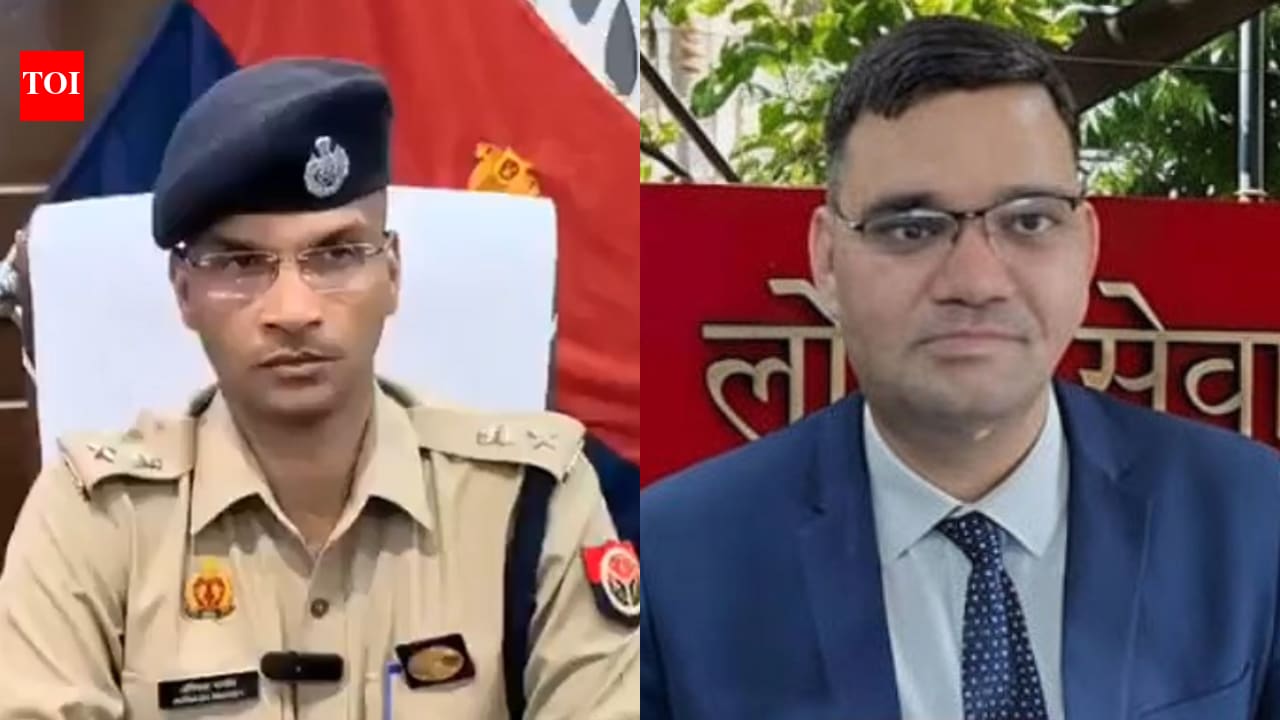
Uttar Pradesh police officers utilized historical and spiritual figures to frame professional conduct during Independence Day. By invoking Bhagat Singh and Buddha, they emphasized the intersection of accountability, justice, and the ethical use of state power.
Redefining Law Enforcement: Philosophical Perspectives from Uttar Pradesh
During the recent Independence Day celebrations in Uttar Pradesh, a notable shift in the discourse surrounding public service emerged. Two police officers chose to transcend traditional administrative rhetoric by invoking the legacies of Bhagat Singh and Gautama Buddha. This approach serves as a poignant reminder that the role of law enforcement in a democracy is not merely about the mechanics of policing, but about the underlying ethical framework that justifies the use of state force.
The Revolutionary Lens: Bhagat Singh and the Justice System
The reference to Bhagat Singh—a towering figure in India’s struggle for independence—highlights an acute awareness of the frustrations inherent in the modern justice system. By citing a revolutionary who sought radical systemic change, the officer acknowledged the inefficiencies that often lead to public disillusionment. This invocation suggests an internal recognition within the force that the current legal framework faces significant challenges regarding speed and accessibility, positioning the police officer not just as an enforcer of law, but as a participant in the broader quest for systemic justice.
The Compassionate Path: Buddha and the Ethics of Power
Complementing the call for systemic reform, the second officer utilized the teachings of Gautama Buddha to address the moral hazards of police authority. The application of Buddhist principles to the use of force is a sophisticated attempt to humanize the badge. By arguing that power necessitates a prioritization of public service over personal gain or mere financial compensation, the officer addressed the critical issue of professional integrity. This perspective shifts the focus from the 'authority' of the state to the 'responsibility' of the individual officer.
Accountability and the Moral Contract
These reflections highlight a growing trend in public administration where officials are increasingly looking toward cultural and historical icons to bridge the gap between the state and the citizenry. By grounding their duty in such profound philosophies, the officers are attempting to construct a moral contract with the public. This is particularly relevant in a state as large and complex as Uttar Pradesh, where the perception of police conduct is often a flashpoint for social and political debate.
Broader Implications for Law Enforcement
When law enforcement officers openly discuss the burdens of their power, it signals a move toward a more reflective and accountable policing culture. The transition from a purely procedural view of duty to one informed by historical struggle and spiritual restraint is significant. If these sentiments translate into actual policy and behavior, it could lead to a more empathetic and effective approach to maintaining public order, characterized by a conscious minimization of force and a maximization of public trust.
Conclusion: A New Standard for Public Service
Ultimately, the inclusion of Bhagat Singh and Buddha in the context of Independence Day celebrations represents an effort to recalibrate the identity of the Indian police service. It is a recognition that the legitimacy of the state's power is deeply intertwined with its ability to act justly and compassionately. As Uttar Pradesh continues to navigate the complexities of governance, this philosophical approach may serve as a blueprint for institutional reform, emphasizing that true authority is derived from service rather than force.