Prop 45 in California could be hiding a loophole for data centers
Source Entity
Justine Calma
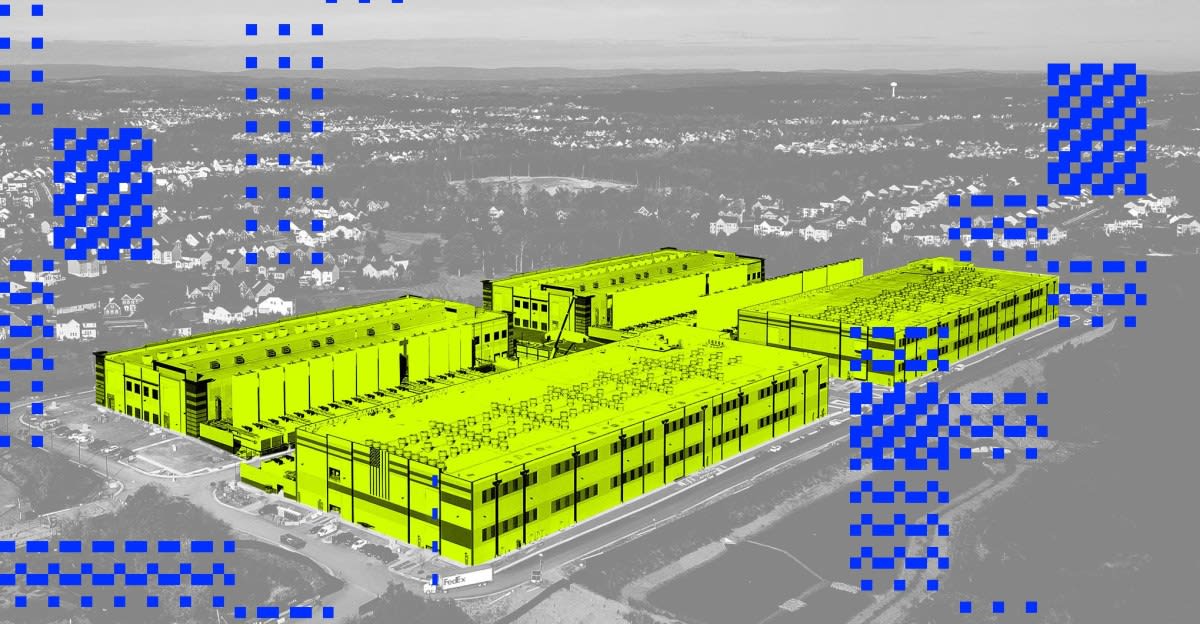
Proposition 45 in California aims to expedite essential infrastructure, but critics fear it creates a loophole for data center developers to bypass environmental oversight. The measure would shorten review timelines and limit legal challenges, sparking a debate between development proponents and environmental advocates.
The Hidden Implications of California's Proposition 45
California’s Proposition 45 has emerged as a focal point of intense debate, framed by its proponents as a necessary legislative vehicle to streamline the state’s sluggish development processes. By proposing to shorten timelines for state-mandated environmental assessments, the measure seeks to prioritize projects deemed 'essential' infrastructure. The primary argument for this shift is the urgent need to address the state's persistent housing crisis and the escalating demand for electricity, which requires the rapid deployment of new renewable energy initiatives.
The Data Center Loophole Controversy
Despite these stated goals, environmental advocates and legal experts have raised significant alarms regarding the potential for regulatory capture. The core concern lies in the ambiguity of what qualifies as 'essential' infrastructure. Critics argue that data center developers—entities with massive energy footprints and localized environmental impacts—could leverage this 'fast track' status to categorize their facilities as essential, thereby bypassing the rigorous scrutiny typically required under California’s environmental protection standards.
Limiting Public Recourse and Legal Challenges
Beyond the shortening of assessment timelines, Proposition 45 introduces structural barriers that would make it increasingly difficult for local residents and community groups to challenge projects in court. This reduction in legal standing effectively strips away one of the primary tools citizens use to ensure corporate accountability and environmental compliance. By raising the bar for litigation, the measure shifts the power balance significantly toward developers, potentially silencing the very communities most affected by large-scale infrastructure projects.
The Tension Between Growth and Oversight
The fundamental tension here is between the need for rapid modernization and the preservation of democratic oversight. California has historically relied on stringent environmental review processes to mitigate the long-term impacts of industrial development. While proponents emphasize the urgency of grid stability and housing, opponents argue that sacrificing environmental transparency for speed creates a dangerous precedent that could lead to unchecked industrial sprawl under the guise of public utility.
Future Trends in Infrastructure Development
If Proposition 45 passes, it is likely to serve as a bellwether for how the state handles the intersection of technological growth and environmental policy. Should data centers successfully navigate this path, we may see a wave of similar infrastructure projects prioritizing speed over public vetting. Conversely, if the backlash continues to mount, it may force a legislative refinement of what constitutes 'essential' infrastructure, potentially setting higher bars for the energy-intensive digital sector in future ballot cycles.
Conclusion
In summary, Proposition 45 represents a critical inflection point for California’s regulatory landscape. While the promise of faster housing and renewable energy development is compelling, the potential for a data center loophole cannot be dismissed lightly. The coming months will require a careful examination of the measure's language to ensure that the drive for efficiency does not permanently erode the safeguards that protect California's environment and its citizens' right to legal redress.