Canadian government steps in as ‘out of control’ wildfires force thousands to flee
Source Entity
Olivia Bowden in Toronto
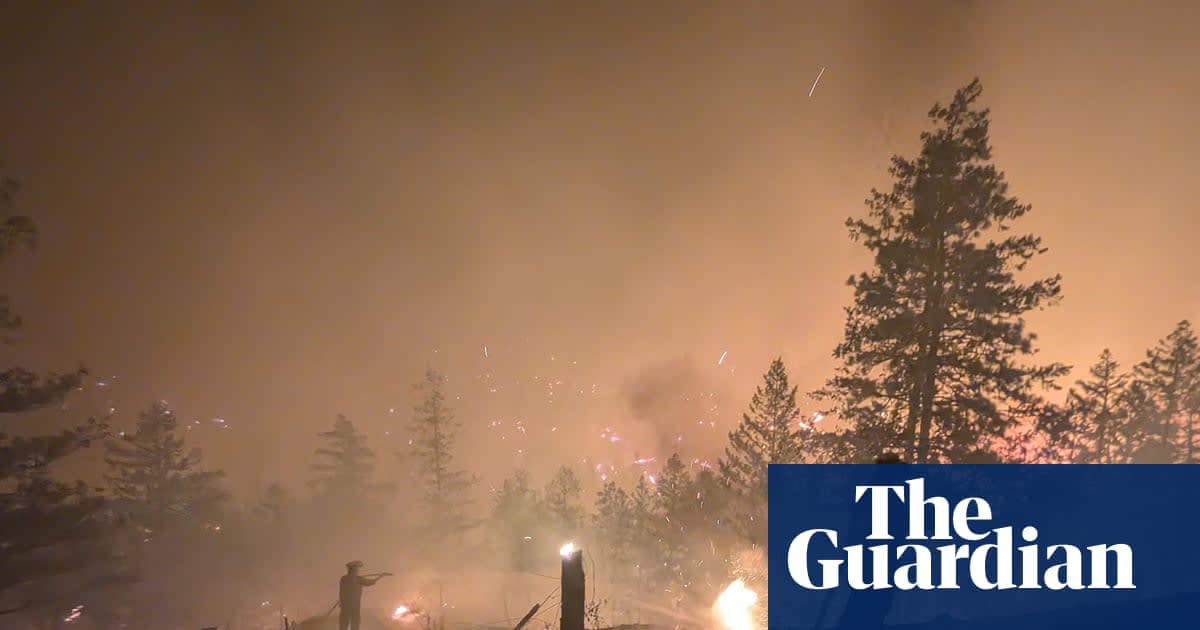
British Columbia is facing a catastrophic wildfire crisis that has forced over 22,000 residents to evacuate and resulted in at least one fatality. The federal government has intervened to provide emergency support as the fast-moving Bald Range fire continues to grow rapidly.
The Escalating Wildfire Crisis in British Columbia
British Columbia is currently grappling with a severe environmental emergency as a series of fast-moving wildfires have overwhelmed local resources, forcing the federal government of Canada to step in with urgent assistance. The situation has reached a critical threshold, with at least 102 wildfires raging across the province simultaneously, nearly half of which are classified by the BC Wildfire Service as 'out of control.' This rapid escalation, characterized by 78 new ignitions within a single week, underscores the volatile nature of the current fire season in Western Canada.
Mass Displacement and Human Cost
The human impact of these fires has been profound and immediate. Approximately 22,000 residents have been forced to abandon their homes in a series of chaotic, frantic evacuations. The community of Summerland, housing 12,000 people, was entirely cleared overnight, alongside 8,000 residents in nearby Peachland. Furthermore, an additional 10,000 individuals remain on high alert, prepared to evacuate at a moment’s notice. Tragically, authorities have confirmed at least one fatality, highlighting the grave danger posed by these flames to both civilians and first responders.
The Mechanics of the Bald Range Fire
Central to the current crisis is the Bald Range fire, which has expanded to cover over 53 square miles (136 sq km). The intensity of this specific blaze is so severe that reports indicate it has begun generating its own weather systems, a phenomenon that complicates containment efforts and creates unpredictable fire behavior. This rapid expansion—doubling in size since its initial detection on Friday—has pushed local emergency services to their breaking point, necessitating the declaration of a provincial state of emergency.
Federal Intervention and Strategic Response
The decision by the Canadian federal government to approve British Columbia’s request for assistance marks a pivotal shift in the response strategy. As local resources face exhaustion, federal support is essential for coordinating large-scale logistics, aerial firefighting assets, and military-grade logistical support. This collaboration is vital to prevent further loss of life and to manage the logistical nightmare of sheltering tens of thousands of displaced individuals in a very short timeframe.
Future Trends and Environmental Implications
Looking ahead, the situation remains precarious. Summerland Mayor Doug Holmes has publicly warned that the region must 'brace for the worst,' suggesting that the current containment efforts may not be sufficient given the current trajectory of the fires. The emergence of self-sustaining weather systems within the fire indicates a level of thermal intensity that poses a significant challenge to modern firefighting techniques. The future of the region depends on favorable weather shifts and the efficacy of the massive coordinated response effort now underway to mitigate further destruction.