Once Chandigarh’s biggest slum colony, now set to be a city forest with elevated trails, bird-watching spaces
Source Entity
Hina Rohtaki
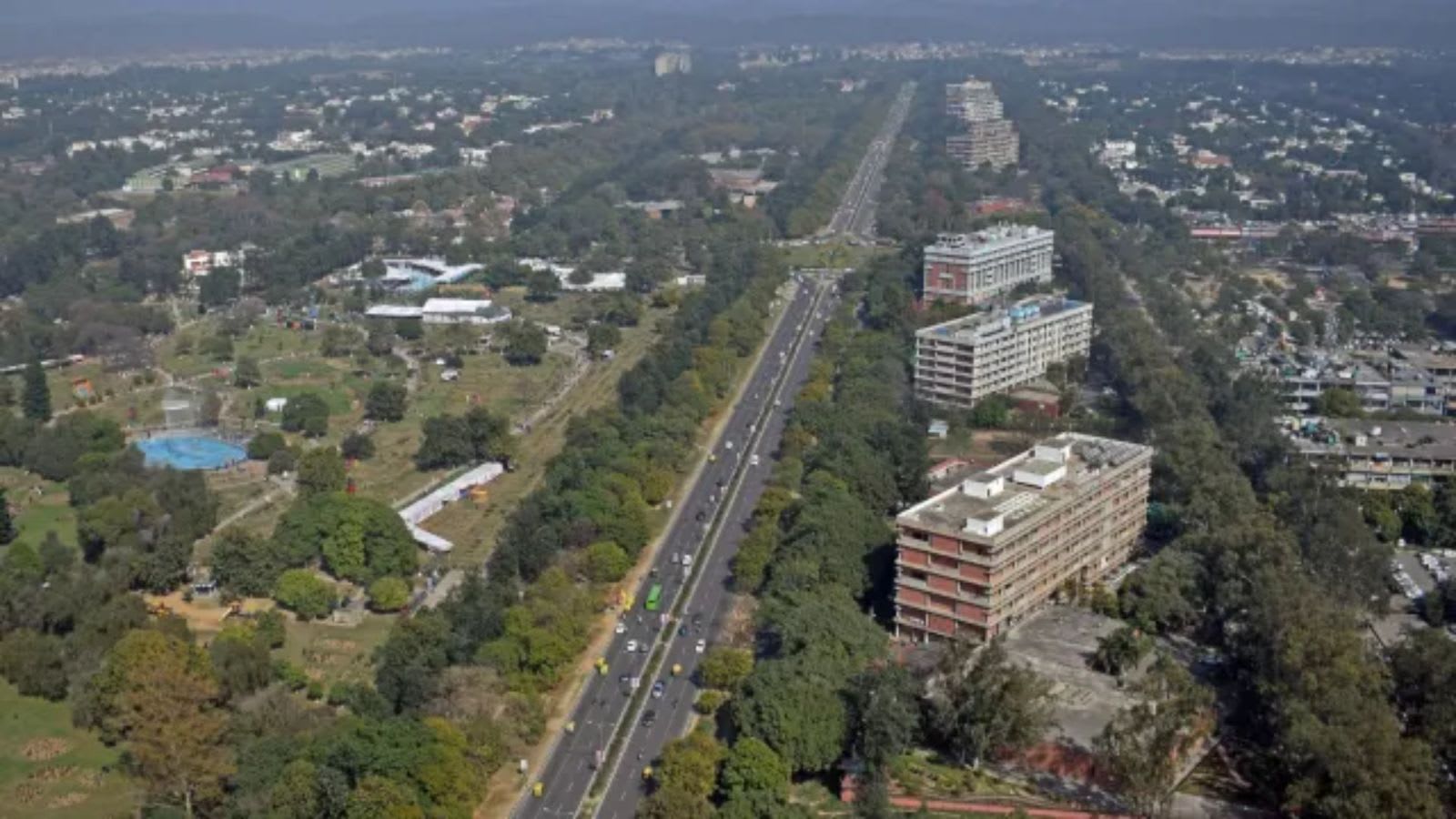
Chandigarh is transforming its former Colony No. 4 slum into a 35-acre city forest featuring elevated trails and environmental learning spaces. The project aims for completion by June 2027 following the successful eviction of illegal structures in 2022.
The Green Transformation of Colony No. 4
Chandigarh, long celebrated as India’s ‘City Beautiful,’ is embarking on a significant urban renewal project that seeks to reconcile its rapid growth with ecological preservation. The transformation of what was once the city’s largest and oldest slum, Colony No. 4, into a sprawling 35-acre city forest represents a major shift in urban planning policy. By reclaiming land previously occupied by unauthorized structures, the administration is prioritizing sustainable land use and environmental restoration over informal settlement expansion.
From Informal Settlement to Ecological Hub
For years, Colony No. 4 served as a hub for both temporary and permanent unauthorized dwellings, creating substantial challenges for urban management and infrastructure development. The pivotal turning point occurred in May 2022, when the Chandigarh Administration executed a comprehensive eviction drive to clear the site. This move not only addressed the legal complexities of the land but also paved the way for the site’s current ecological rehabilitation, transitioning a high-density, unregulated area into a designated green lung for the city.
Infrastructure for Environmental Stewardship
The planned city forest, situated strategically near the Industrial Area Phase-I and the local railway station, is designed to serve as both an aesthetic asset and an educational resource. The blueprint includes modern amenities such as elevated trails, which will allow visitors to traverse the area without disrupting ground-level flora, and specialized bird-watching platforms. By integrating water bodies and dedicated spaces for environmental learning, the project aims to foster a stronger connection between the urban population and local biodiversity.
Strategic Planning and Safety Protocols
A key component of the site’s future sustainability is the incorporation of advanced safety and management infrastructure, including fire watchtowers. Given the 35-acre scale of the project, fire mitigation is essential for the long-term preservation of the new ecosystem. These measures reflect a modern approach to forestry management within an urban context, ensuring that the forest remains a protected space rather than a vulnerable patch of vegetation.
Timeline and Future Outlook
The project is currently in the advanced stages of administrative preparation, with codal formalities underway. The UT Administration has announced that the foundation stone will be laid in October, marking the formal start of construction. With a target inauguration date of June 2027, the project is set to become a landmark example of urban reclamation. As the city continues to modernize, this forest will likely serve as a blueprint for how other urban centers can repurpose reclaimed land to combat climate change and improve public health through increased green space.