The party looks packed, but the balance sheet tells a different story
Source Entity
Hina Rohtaki
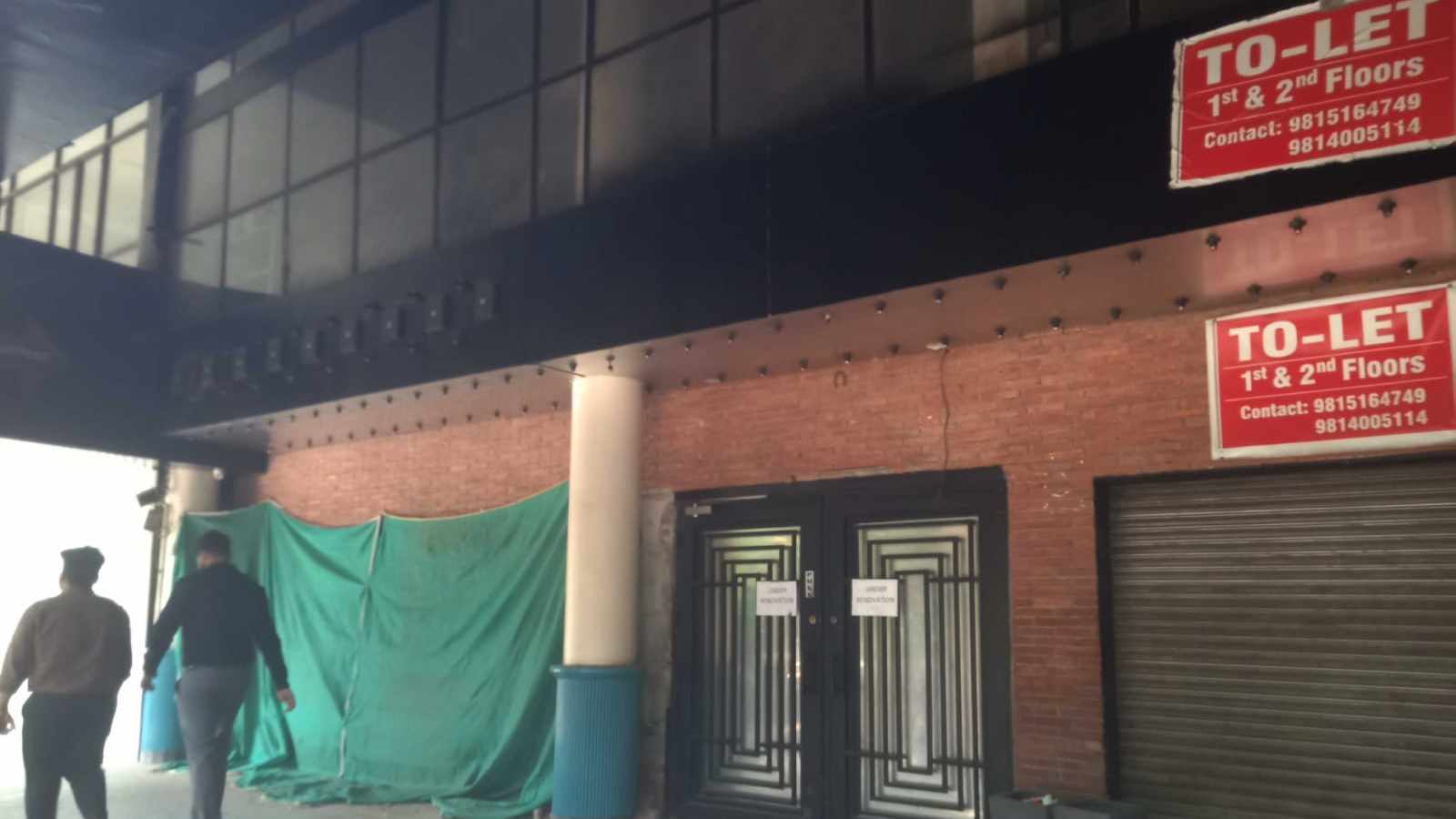
Chandigarh's nightclub industry is facing a severe economic crisis, marked by the closure of 13 major venues including 'Prankster'. High operational overheads and unsustainable capital expenditures are challenging the viability of the city's nightlife sector.
The Mirage of Success: Chandigarh’s Nightlife Crisis
Chandigarh’s nightlife sector is currently undergoing a painful structural correction. The recent closure of the well-known nightclub ‘Prankster’ serves as a bellwether for a broader industry trend, bringing the total number of shuttered venues in the city to 13. While the neon lights and packed dance floors might suggest a thriving social scene, the underlying financial data paints a starkly different picture of a market pushed to its breaking point.
The Anatomy of High-Risk Investments
To understand why these clubs are failing, one must analyze the massive capital outlay required to enter the market. A typical 10,000-square-foot nightclub in Chandigarh represents a significant financial gamble, with owners often spending upwards of Rs 3 crore on interior fit-outs alone. This initial investment creates a crushing debt service burden that requires high, consistent daily footfall just to break even, let alone turn a profit.
Operational Overheads and Economic Pressures
The operational reality for these venues is equally daunting. With a workforce of nearly 100 staff members, establishments are saddled with monthly salary expenses ranging between Rs 15 lakh and Rs 20 lakh. When these labor costs are coupled with fixed overheads like electricity bills—often exceeding Rs 3 lakh monthly—the margin for error becomes razor-thin. Any fluctuation in consumer spending or regulatory shifts can render these high-cost business models unsustainable overnight.
Market Saturation and Sustainability
The fundamental question facing the city’s entrepreneurs is whether the local economy can support such an dense concentration of high-end nightlife venues. Industry insiders suggest that the rapid proliferation of clubs has led to market saturation. When the cost of acquisition for customers rises and the average spend per table stagnates, the math simply fails to support the scale of operations currently seen in the city.
Future Trends and Market Outlook
Looking ahead, the Chandigarh nightclub sector is likely headed for a period of intense consolidation. We can expect to see a shift away from massive, high-overhead venues toward more agile, boutique concepts that can pivot quickly to changing consumer tastes. Without a significant reduction in operational costs or a change in the economic landscape, the list of casualties is likely to grow as owners realize that the 'party' is no longer a profitable business venture.
Conclusion
The closure of 'Prankster' is a symptom of a larger, systemic issue within Chandigarh’s hospitality industry. As the glamour of the nightlife scene clashes with the cold, hard realities of the balance sheet, the city’s club owners are finding that sustaining a high-end social environment requires far more than just a good DJ; it requires a level of fiscal discipline that the current market model may no longer be able to provide.