Chhattisgarh Maoist attack: 10 convicts sentenced to death 13 years after massacre
Source Entity
AADRITA HALDER
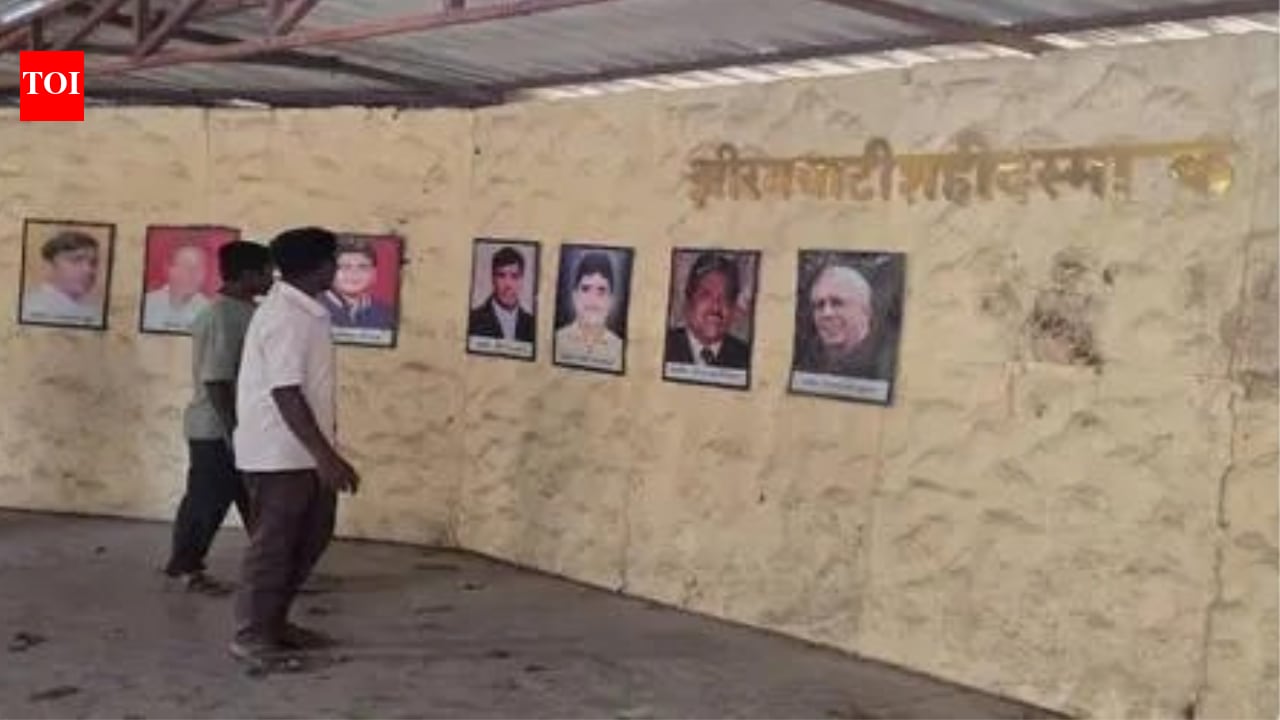
A special NIA court has sentenced 10 individuals to death for their role in the 2013 Jhiram Ghati Maoist attack. The ambush, which killed 29 people, decimated the Chhattisgarh Congress leadership and remains a pivotal moment in the history of Left Wing Extremism in India.
Justice After Thirteen Years: The Jhiram Ghati Verdict
Thirteen years after the horrific Jhiram Ghati massacre, a special National Investigation Agency (NIA) court in Jagdalpur has finally delivered a landmark verdict, sentencing 10 convicts to death. The May 25, 2013, attack remains one of the most devastating instances of Left Wing Extremism (LWE) in Indian history, resulting in the deaths of 29 individuals and causing injuries to 38 others. The severity of the punishment reflects the gravity of the crimes, which included criminal conspiracy and murder.
Decimation of Political Leadership
The attack was not merely an act of violence but a surgical strike against the political fabric of Chhattisgarh. The Maoist ambush targeted a Congress party convoy, effectively wiping out a significant portion of the state’s political leadership at the time. Among the victims was Mahendra Karma, a 62-year-old tribal leader who had become a prominent figure in the opposition against Maoist influence, most notably through his role in founding the anti-Maoist militia known as Salwa Judum. His death marked a profound loss for the state's political landscape.
The Legal and Judicial Process
The conviction of the 10 individuals, which includes two women, followed a long and arduous trial presided over by special NIA judge Ajay Singh Rajput. The prosecution successfully argued the charges of criminal conspiracy and murder under various sections of the Indian Penal Code. This verdict serves as a critical milestone for the NIA, which has been tasked with investigating the most complex cases of insurgency and terrorism across India, aiming to provide closure to the families of the victims who have waited over a decade for justice.
Unresolved Questions and Public Sentiment
Despite the finality of the death sentences, the verdict has not provided universal satisfaction. Families of the victims, including the daughter of Mahendra Karma, have raised concerns regarding the scope of the investigation. Specifically, there is ongoing public and familial discourse regarding why surrendered Maoists—who were allegedly linked to the operation—have not been held accountable in this trial. The exclusion of such figures from the conviction list has left a lingering sense of incomplete justice for some.
Government Policy and Future Implications
The government's position on this matter remains complex. Chhattisgarh Home Minister Vijay Sharma has emphasized that existing state surrender policies, which were implemented to incentivize insurgents to lay down arms, have influenced the legal landscape regarding surrendered individuals. This highlights the ongoing tension between the state's need for security-driven reconciliation and the pursuit of punitive justice for historical crimes. As the state continues to grapple with the legacy of the Jhiram Ghati attack, this case will likely remain a foundational reference point for how India manages the intersection of insurgency, political violence, and judicial accountability.
Multiple Citing Sources