How China’s Asian Games cricket campaign ended without a ball being bowled
Source Entity
HIJAM RAJU SINGH
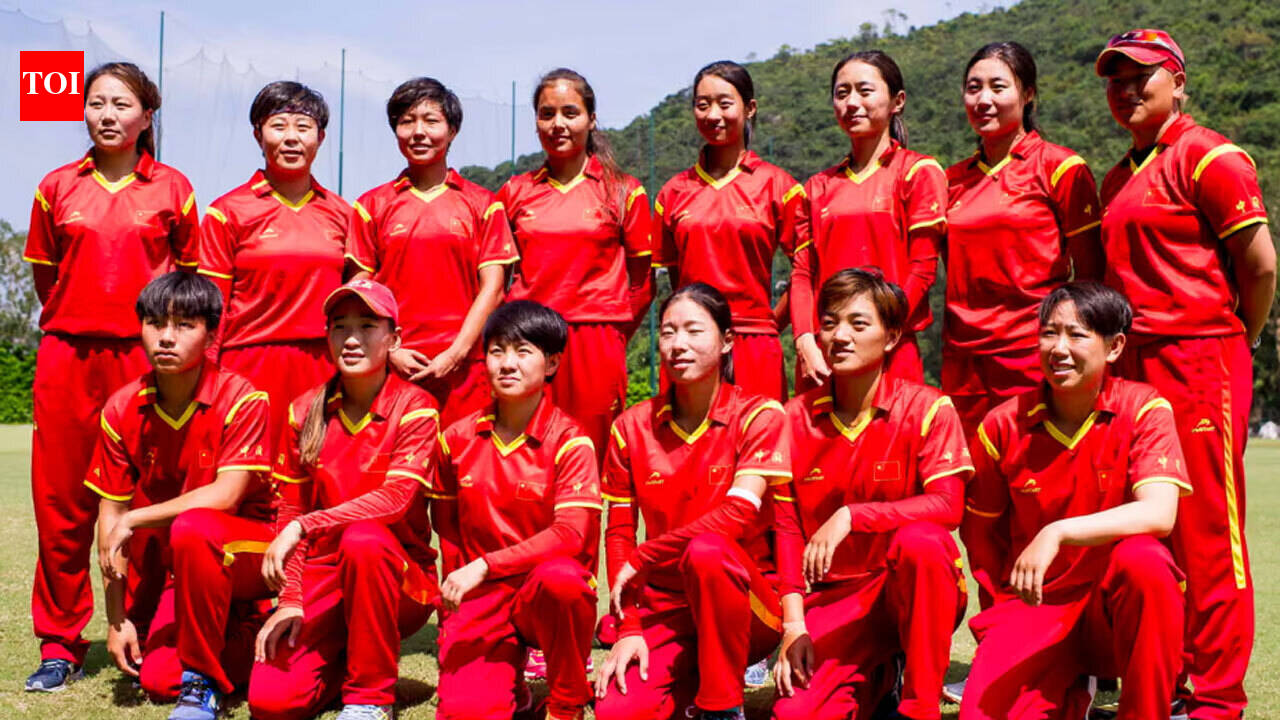
China's women's cricket team was eliminated from the Asian Games after their quarter-final against Bangladesh was abandoned due to rain. Bangladesh advanced to the semi-finals based on their higher international ranking, ending China's third campaign at the tournament.
The Weather-Induced Exit of Team China
The quarter-final clash between China and Bangladesh at the 2026 Asian Games in Aichi-Nagoya ended in disappointment for the Chinese women's cricket team. Despite the anticipation surrounding their third appearance in the continental multisport event, the match at Kōrogi Sports Park was abandoned without a single delivery being bowled. The persistent inclement weather that had haunted the region throughout the week ultimately rendered the pitch unplayable, forcing officials to cancel the fixture entirely.
The Role of Tournament Regulations
Under the established rules governing the Asian Games cricket competition, the decision to advance a team in the event of a washout relies heavily on international rankings. Because Bangladesh held a superior ranking compared to China, they were awarded the spot in the semi-finals by default. This mechanism, while standard in many international cricket tournaments to ensure the progression of the bracket, proved particularly cruel for the Chinese side, as it denied them any opportunity to contest their path forward on the field of play.
Historical Context and Growth
This tournament marked China's third participation in the Asian Games cricket event, a journey that began with their debut in 2010. The development of cricket in China has been a long-term project, and reaching the knockout stages represents a significant milestone for the program. However, the abrupt nature of this exit highlights the vulnerability of developing cricket nations when faced with both unpredictable environmental conditions and a rigid tournament structure that favors established international powers.
Environmental Challenges in Aichi-Nagoya
Heavy rainfall at the Kōrogi Sports Park in Nisshin created a logistical nightmare for tournament organizers. The outfield conditions were deemed unsafe for competition, illustrating the impact that climate and weather patterns can have on the integrity of international sports scheduling. For a sport like cricket, which requires specific surface conditions for safety and fair play, the inability to mitigate these environmental factors underscores the necessity for more robust infrastructure or contingency planning in future Asian Games iterations.
Broader Implications for Asian Cricket
The advancement of Bangladesh to the semi-finals serves as a reminder of the current hierarchy within Asian cricket. While nations like Bangladesh, India, and Pakistan dominate the rankings, the inclusion of teams like China is vital for the sport's expansion across the continent. Such an exit, however, serves as a sobering lesson for emerging nations regarding the importance of ranking points in tournament scenarios where weather-related abandonment is a possibility.
Looking Toward Future Trends
As the Asian Games continue to evolve, the governing bodies may face calls to revisit protocols regarding abandoned matches. While ranking-based qualification is efficient, it remains a point of contention for lower-ranked teams who lose their agency due to forces beyond their control. For China, the focus will now shift toward building upon the experience gained in Aichi-Nagoya, aiming to improve their international standing to ensure they are on the right side of such tie-breaking rules in future major competitions.