India in Asian Games 2026: Full list of all 503 athletes across events
Source Entity
The Indian Express
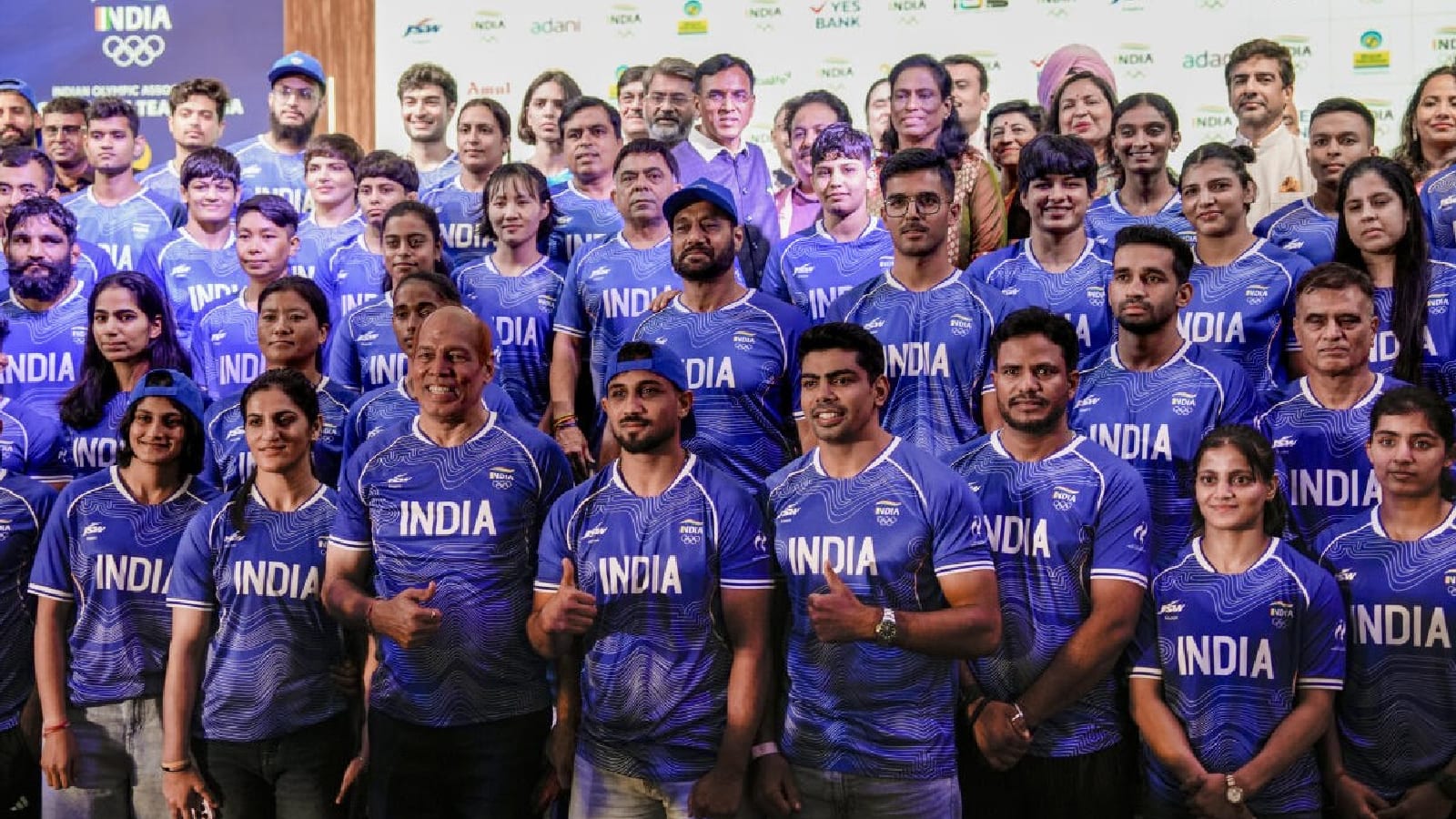
India is sending a record 503-member contingent to the 2026 Asian Games in Aichi-Nagoya to build on their historic 107-medal performance. Despite the excitement, the team faces early logistical hurdles in Japan, including accommodation and equipment issues.
India’s Ambitions at the 2026 Aichi-Nagoya Asian Games
Following a historic and record-breaking haul of 107 medals at the Hangzhou Games in 2023, India enters the 20th edition of the Asian Games in Aichi-Nagoya, Japan, with heightened expectations. The nation is set to deploy a massive delegation of 503 athletes, comprising 269 men and 234 women, spanning 36 diverse sporting disciplines. This expansion from the initially planned 492 athletes—bolstered by the late inclusion of surfers, track-and-field competitors, and an MMA fighter—signals India’s intent to cement its status as a rising sporting powerhouse in Asia.
Diversification of Sporting Disciplines
Beyond traditional strongholds like shooting and athletics, India is diversifying its presence by participating in a range of unconventional and emerging sports. The inclusion of disciplines such as teqball, kurash, soft tennis, sepak takraw, and sport climbing demonstrates a strategic effort to capture medals across a broader spectrum of the games. These sports, which blend traditional skills with modern athleticism, highlight the evolving landscape of Asian sports and India’s willingness to invest in niche categories to improve its overall standing on the medal tally.
Logistical Challenges and Early Setbacks
Despite the rigorous preparation and the support of a 265-member staff, the Indian contingent has faced a tumultuous start upon arrival in Japan. Reports indicate that athletes in rowing and shooting faced significant logistical failures, including lack of initial accommodation and missing names in official registration lists. The rowing team, in particular, suffered a setback as delayed equipment—specifically their oars—hampered critical practice sessions. Furthermore, high-profile issues, such as accreditation problems for shooting coach Samaresh Jung, have raised concerns regarding the organizational readiness of the host city and the support systems provided to the athletes.
The Importance of Infrastructure and Support
The friction experienced by the Indian team underscores the vital role that logistical support plays in elite performance. For athletes competing at the highest continental level, a seamless transition from the training environment to the competition venue is essential for maintaining psychological and physical readiness. The reported issues in Aichi-Nagoya serve as a reminder that even with a robust delegation, success is contingent upon efficient management and the ability to mitigate unexpected administrative hurdles that can derail a team’s momentum.
Looking Ahead: Building on Momentum
The 2026 Asian Games represent a crucial milestone for Indian sports as the country looks to sustain the growth seen over the last few years. If the administrative challenges are resolved quickly, the sheer depth of the 503-member squad provides India with a strong chance to exceed previous records. The focus will remain on whether these athletes can overcome the initial "forgettable welcome" and channel their energy into achieving podium finishes, thereby turning these early setbacks into a footnote in what could be another landmark campaign for Indian sports.