US being left behind in EV charging speeds as China goes sub-5 min to 70%
Source Entity
Jonathan M. Gitlin
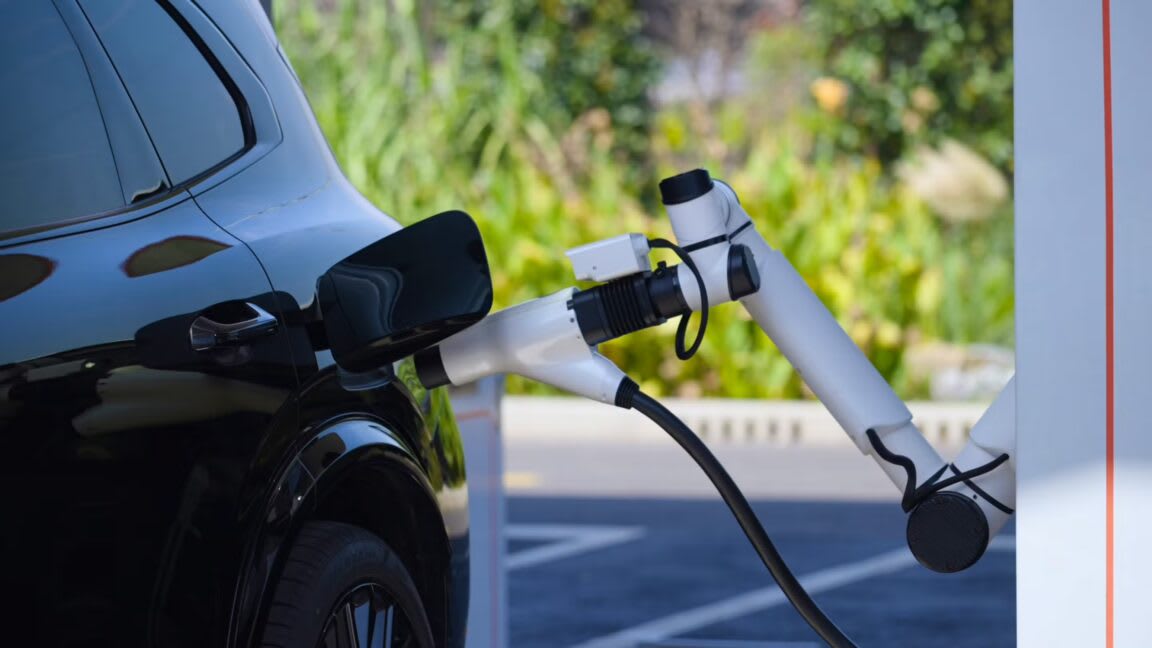
China is rapidly outpacing global competitors in the electric vehicle sector through superior battery charging speeds and advanced digital integration. Major legacy automakers are now pivoting to partnerships with Chinese firms to remain relevant in this shifting market.
The Rapid Evolution of the Chinese EV Ecosystem
China’s automotive sector has undergone a seismic shift, evolving from a manufacturing hub into a global leader in high-performance electric vehicles (EVs). The current landscape is defined by a pace of innovation that Ford CEO Jim Farley famously likened to the Japanese automotive surge of the 1980s, but amplified—or, as he put it, "on steroids." This rapid progression is not merely about vehicle assembly; it is about a fundamental reimagining of what a car can do, blending consumer electronics with transportation.
The Charging Speed Breakthrough
One of the most significant technical hurdles for global EV adoption has been charging duration. China has effectively addressed this by pushing battery technology to its limits. Recent developments, such as new LFP (Lithium Iron Phosphate) batteries capable of charging from 10% to 70% in just 4.5 minutes, have rendered traditional charging times obsolete. By achieving charging speeds that rival the time required to fill a standard petrol tank, Chinese manufacturers are removing the primary 'range anxiety' barrier that has historically hindered global consumer adoption.
Digital Integration and User Experience
Beyond hardware, Chinese EVs are distinguished by their deep integration with the owner’s digital life. Unlike traditional automakers that update software on a slow, multi-year cycle, Chinese OEMs operate with the agility of smartphone manufacturers. These vehicles feature advanced AI personal assistants, complex infotainment systems, and even 'dance' modes, treating the cabin as a connected living space rather than just a transport vessel. This software-first approach ensures that the vehicle remains current long after it leaves the showroom floor.
Legacy Automakers and the Pivot to Partnership
Facing an inability to match these technological and price benchmarks, global legacy giants are shifting strategies. Rather than competing directly in every facet, companies like Volkswagen have opted for strategic collaborations, such as their partnership with XPeng to develop all-electric SUVs. This trend signals a pragmatic admission: the Chinese supply chain and R&D ecosystem currently hold a structural advantage that is difficult to replicate in Western markets without deep collaboration.
Broader Economic and Future Implications
The implications of this shift are profound. As China continues to lead in both battery chemistry and digital services, the global automotive supply chain is being forced to restructure. We are likely to see a future where the 'platform' of the car is increasingly sourced from Chinese tech partners, while traditional brands focus on design and brand identity. This 'levelling up' of Chinese EVs is not a temporary trend but a permanent change in how the global automotive industry will function for the foreseeable future.