Lasers to zap missiles? China's 6th gen J-36 jet hints at radical new weapon
Source Entity
AYUSH PANDEY
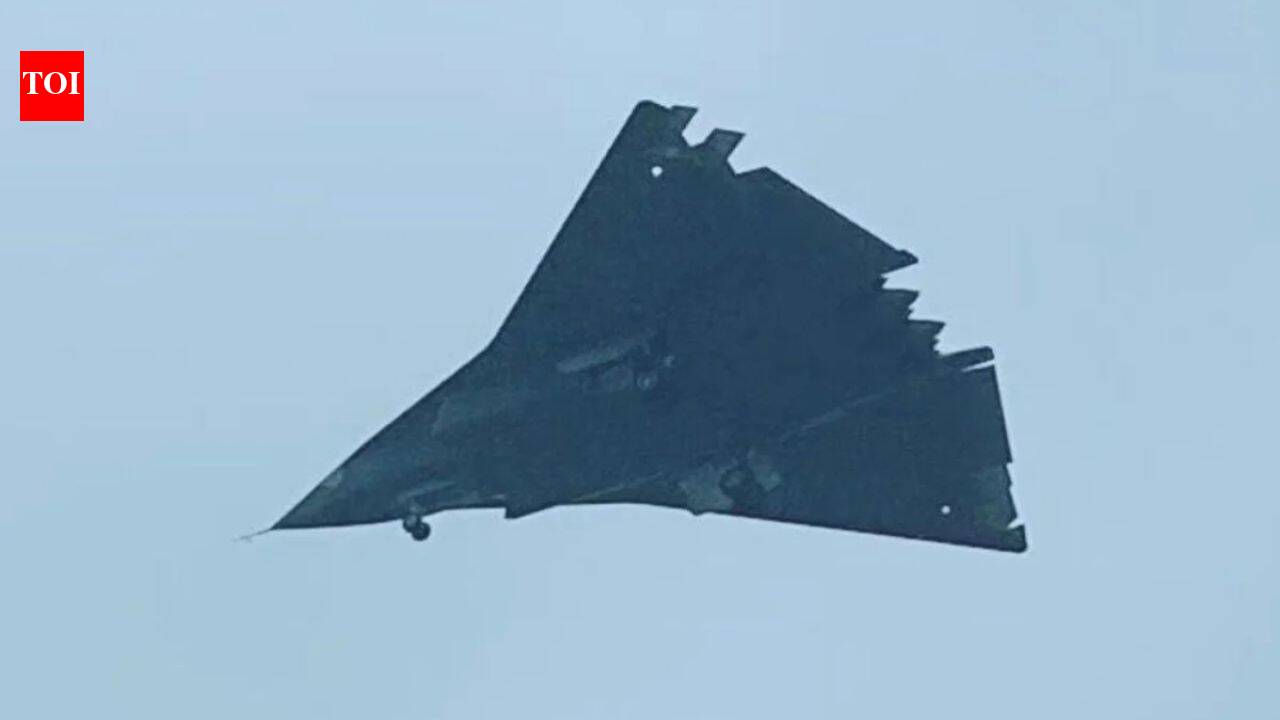
China is developing the J-36, a potential sixth-generation fighter jet, which may incorporate advanced laser weapon systems. This development signals a shift toward high-energy airborne defense mechanisms for missile interception.
The Emergence of the J-36: A New Era in Aerial Warfare
The aviation world has been set abuzz by the appearance of a mysterious aircraft, unofficially dubbed the J-36, spotted performing test flights over Chengdu in December 2024. As a potential sixth-generation fighter developed by the Chengdu Aircraft Corporation, this platform represents a significant leap in aerospace engineering. While official details remain classified, the sighting has triggered intense speculation regarding its capabilities, particularly its integration into China's broader tactical modernization efforts.
Integrating Directed Energy Weapons
Central to the excitement surrounding the J-36 is the recent disclosure by the Aviation Industry Corporation of China (AVIC). During a defense exhibition in Beijing, the Beijing Precision Engineering Institute for Aircraft Industry showcased a specialized laser tracking and aiming system designed specifically for fighter aircraft. This public exhibition provides a critical link between the J-36 development project and the broader Chinese ambition to field high-energy laser weapons capable of intercepting incoming missiles.
The Strategic Utility of Airborne Lasers
Airborne laser technology offers a transformative approach to aerial defense. Unlike conventional countermeasures such as flares or chaff, which rely on decoys, a high-energy laser provides a kinetic or thermal solution capable of neutralizing threats at the speed of light. By potentially mounting such systems on the J-36, China aims to create a defensive bubble that could render traditional missile threats obsolete, fundamentally changing the risk calculus for opposing air forces.
Technical Hurdles and Historical Precedent
Despite the promise, the integration of laser systems into high-performance fighter jets remains a formidable engineering challenge. China has previously explored airborne laser technology, yet successfully miniaturizing these power-intensive systems for the confined space of a fighter airframe is a complex endeavor. Historical attempts by other nations, such as the United States' experience with the Airborne Laser (ABL) program, underscore the immense difficulties in thermal management, power generation, and atmospheric stabilization required for such weaponry.
Broader Implications for Global Air Power
If successful, the J-36 would mark a paradigm shift in air superiority. Sixth-generation fighters are expected to feature not only advanced stealth and sensor fusion but also the ability to project power via directed energy. The development of this platform suggests that China is prioritizing a multi-layered defensive posture that integrates offensive strike capabilities with highly sophisticated, laser-based defensive systems.
Future Trajectory and Strategic Outlook
As the J-36 continues its development cycle, the international defense community will be watching closely for signs of operational maturity. The transition from a prototype seen over Chengdu to a combat-ready platform will depend on how effectively the AVIC overcomes the technical gaps inherent in airborne laser deployment. Ultimately, the J-36 stands as a testament to the evolving nature of aerial combat, where the line between traditional maneuver-based warfare and electronic, energy-based defense continues to blur.