Watch: Why rescuers fear new barrier lake could cause another Nepal-Tibet flood
Source Entity
BBC News
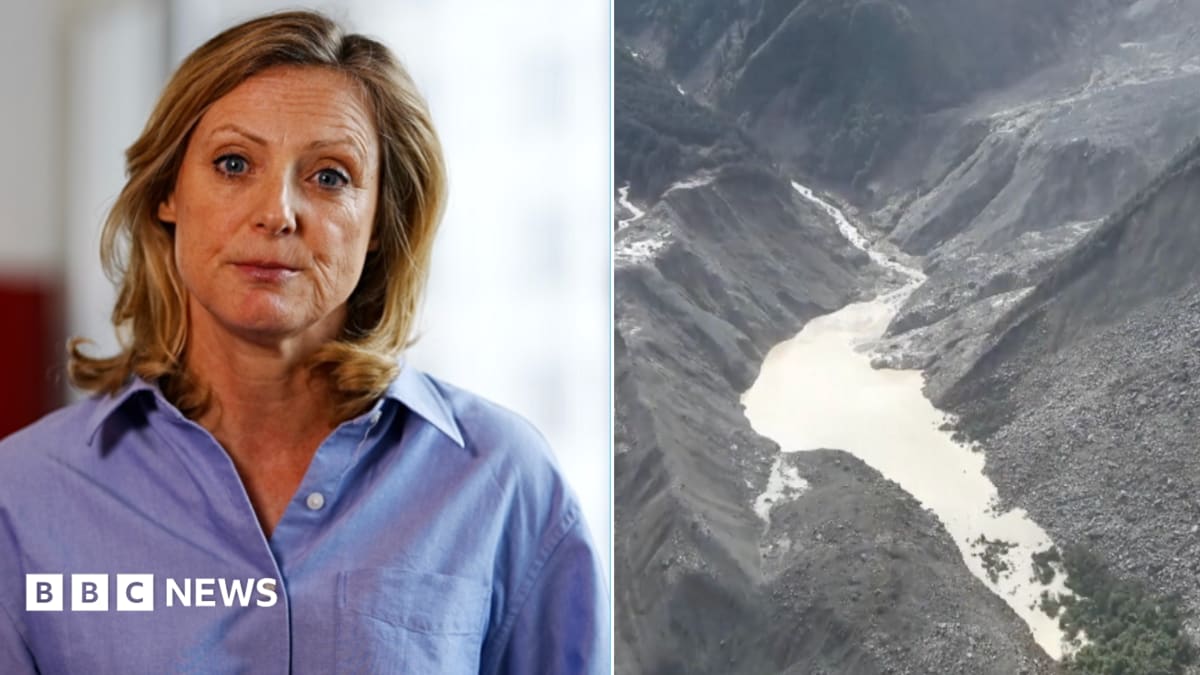
China has officially rejected claims that a man-made dam collapse on its side of the border caused devastating floods in Nepal. Beijing instead attributes the disaster to a natural glacial event, emphasizing the need for cooperation over accusations.
Tensions Rise Over Cross-Border Flooding Claims
Recent reports indicate a deepening diplomatic friction between China and Nepal following catastrophic flooding in the Gyirong-Rasuwagadhi border region. The core of the dispute involves allegations from Nepali sources that a 'geological disaster dam'—a structure formed by debris on the Chinese side—collapsed, exacerbating the floodwaters that devastated local communities. China has categorically rejected these assertions, labeling them 'fake news' and asserting that the destruction was the result of natural geological phenomena rather than infrastructure failure.
The Chinese Perspective: Natural Disaster vs. Infrastructure Failure
In a direct rebuttal issued via its embassy, Beijing maintains that the catalyst for the disaster was an earthquake or an earthquake-like glacier collapse on the Nepali side of the border on August 26. This event reportedly triggered massive mudslides that claimed lives and left residents missing on both sides of the frontier. By characterizing the event as a natural disaster, China effectively shifts the narrative away from potential negligence regarding dam management, suggesting that the scale of the devastation was an unavoidable consequence of mountainous terrain instability.
The Role of Glacial Lake Outbursts
Independent reports have further complicated the discourse by suggesting that an avalanche of ice and rock, likely stemming from a glacial lake outburst, served as the primary trigger for the subsequent flooding. Glacial lake outbursts are an increasing concern in the Himalayas as climate change accelerates the melting of high-altitude glaciers, creating unstable pools of water held back by fragile moraine dams. The conflict between the two nations highlights the inherent danger of these transboundary water systems, where a geological event in one jurisdiction can have immediate, life-threatening impacts on the other.
Diplomatic Fallout and Emergency Mobilization
Beyond the war of words, the situation remains precarious. China has mobilized fire and rescue teams from Beijing to address potential threats in the region, specifically warning that a barrier lake on the Tibet-Nepal border faces a high risk of breaching within a 72-hour window. This mobilization underscores the severity of the situation, as both nations grapple with the logistical nightmare of managing mountainous terrain prone to sudden, violent environmental shifts.
The Need for Collaborative Water Management
Concluding its statement with the sentiment that 'accusation helps nothing,' the Chinese embassy underscored the necessity of cross-border cooperation. As the Himalayas continue to experience the impacts of climate change, the frequency of glacial lake outbursts and related flooding events is expected to rise. Future stability in the region will likely depend on the establishment of shared early-warning systems and transparent data-sharing protocols. Without such mechanisms, the blame-game over environmental disasters will continue to strain bilateral relations between neighbors who share a volatile and ecologically sensitive border.
Multiple Citing Sources