Did CIA chief float a Putin-Zelensky summit during secret Moscow trip?
Source Entity
Latest News: Todays Latest News Headlines from India & World | Hindustan Times | Hindustan Times
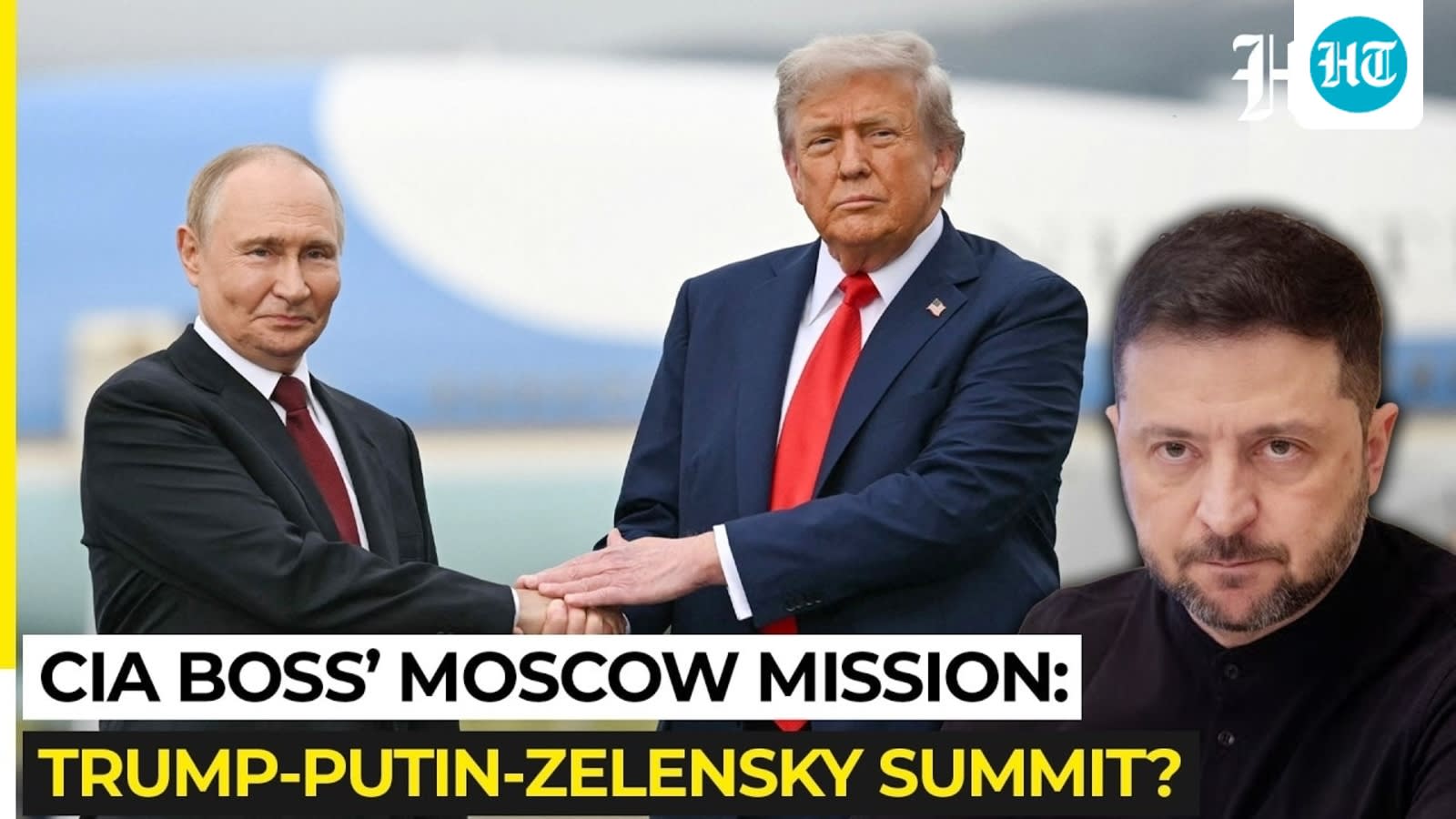
CIA Director John Ratcliffe reportedly proposed a trilateral summit between Donald Trump, Vladimir Putin, and Volodymyr Zelensky during a secret diplomatic mission to Moscow. The initiative aims to break the ongoing deadlock in the Russia-Ukraine war, though the proposal faces significant skepticism from Ukraine.
The Diplomatic Gambit: A New Push for Peace
In a significant development for international diplomacy, CIA Director John Ratcliffe has reportedly initiated a high-stakes effort to facilitate a trilateral summit between U.S. President Donald Trump, Russian President Vladimir Putin, and Ukrainian President Volodymyr Zelensky. This proposal emerged during a previously undisclosed trip to Moscow, where Ratcliffe engaged with top Russian intelligence officials, including SVR head Sergey Naryshkin and FSB Director Alexander Bortnikov. The move represents a bold attempt by the Trump administration to break the entrenched deadlock that has characterized the Russia-Ukraine conflict.
Strategic Intentions and Tactical Secrecy
The decision to utilize the CIA director as a diplomatic intermediary underscores the complexity and sensitivity of the current geopolitical climate. By bypassing traditional diplomatic channels in favor of intelligence-led engagement, the administration appears to be testing the waters for a breakthrough that standard negotiations have failed to achieve. President Trump has characterized the trip as "standard business," suggesting an intent to normalize high-level dialogue despite the deep-seated mistrust between the warring parties.
Challenges to a Trilateral Framework
Despite the ambition of the proposal, the path toward a tripartite summit is fraught with immense obstacles. Ukraine remains profoundly wary of President Putin’s true intentions, fearing that such a summit could be used as a platform for Russian propaganda or to secure concessions without a genuine commitment to peace. The ongoing nature of the Russian military campaign further complicates any potential for a ceasefire, as the battlefield situation remains volatile and the conditions for a lasting peace remain elusive.
The Intelligence-Diplomacy Intersection
Ratcliffe’s meetings with SVR and FSB leadership highlight the critical role that intelligence agencies are playing in modern statecraft. By engaging directly with the architects of Russia's security apparatus, the U.S. is seeking to determine if there is any genuine appetite within the Kremlin for a negotiated settlement. This approach reflects a broader trend where intelligence conduits are increasingly used to gauge the feasibility of diplomatic initiatives that are too risky for official public channels.
Broader Geopolitical Implications
The potential for a Trump-Putin-Zelensky meeting carries massive implications for the future of European security and global stability. A successful summit could fundamentally alter the trajectory of the war, yet a failure could further cement the divide between the West and Russia. As the international community watches these developments, the focus remains on whether this back-channel diplomacy can translate into a tangible reduction in hostilities or if it will merely serve as a temporary pause in a prolonged conflict.
Future Outlook: Navigating Uncertainty
Looking ahead, the success of this diplomatic push will depend on whether the administration can provide adequate security guarantees to Ukraine while addressing Russia's core demands. The skepticism expressed by Ukrainian officials suggests that any path to peace will require more than just a summit; it will require verifiable actions on the ground. As the situation evolves, the focus will remain on whether this clandestine effort can evolve into a formal process that brings an end to the violence.
Verification Required?