Dipke claims CJP activists getting notices warning Oct 10 protest 'could turn violent'
Source Entity
AADRITA HALDER
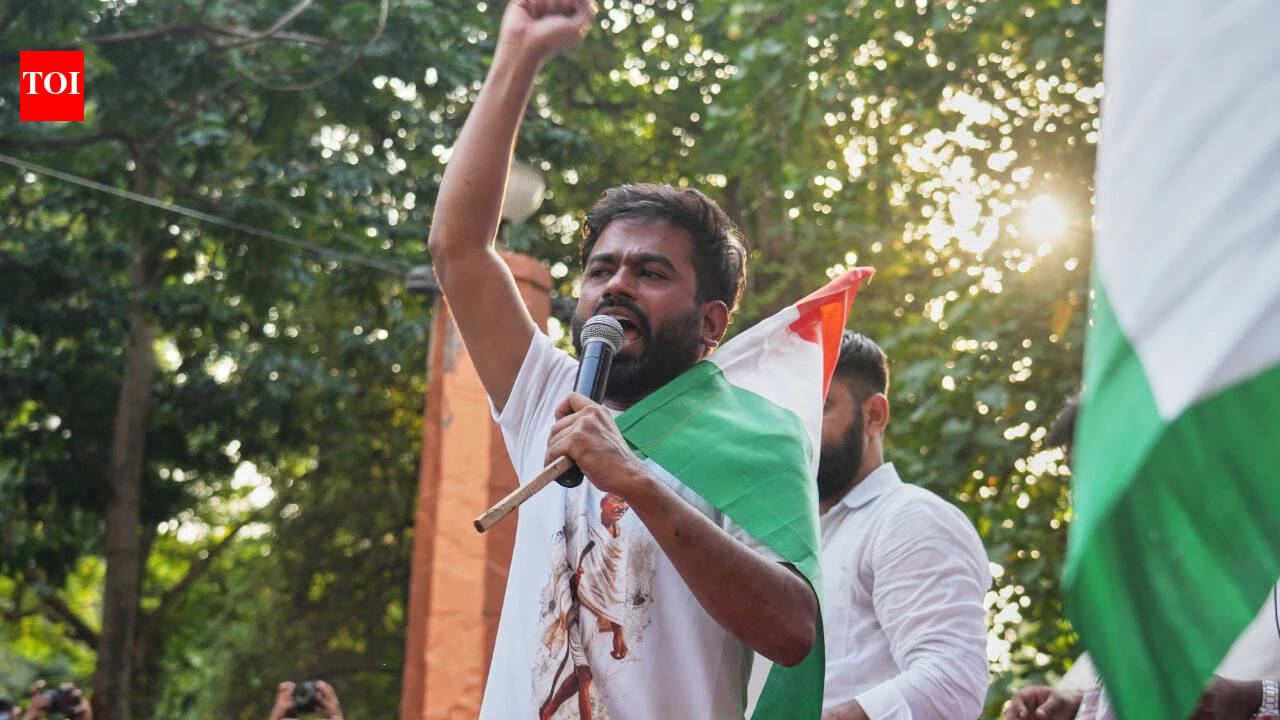
Activist Dipke has reported that Citizens Justice Party (CJP) members are receiving notices warning that the upcoming October 10 protest could become violent. These preemptive warnings are causing significant concern regarding the right to peaceful assembly and potential state intervention.
Tensions Rise Ahead of October 10 Protest
Recent reports indicate that activists affiliated with the Citizens Justice Party (CJP) are being issued formal notices regarding the upcoming October 10 protest. The primary concern raised by these notices involves state-level warnings that the planned demonstration could potentially turn violent. This development has sparked a dialogue regarding the intersection of public safety and the fundamental right to protest, as activists express alarm over the preemptive measures being taken by authorities.
The Mechanics of Preemptive Notice
The issuance of notices to political activists serves as a mechanism often employed by administrative bodies to manage large-scale public gatherings. By labeling the event as a potential security risk, authorities effectively place organizers under heightened scrutiny. For the CJP, these notices represent more than just administrative procedure; they are viewed as a psychological and legal deterrent designed to discourage attendance at the October 10 rally. This strategy shifts the narrative from the core grievances of the protest to the legitimacy of the demonstration itself.
Civil Liberties vs. Public Order
At the heart of this controversy lies the tension between maintaining public order and protecting civil liberties. While the state possesses a duty to ensure that public gatherings do not descend into anarchy or damage, activists argue that such notices are often used to preemptively stifle dissent. The specific mention of potential violence in the notice suggests that law enforcement is adopting a proactive posture, which could lead to increased police presence or, in more extreme scenarios, the revocation of permits for the October 10 event.
Historical Context of Protest Management
Historically, the use of 'warning notices' before major political demonstrations has been a point of contention in modern political landscapes. In many instances, the categorization of a protest as 'potentially violent' has served as a precursor to stricter surveillance or the imposition of emergency measures. For the CJP, navigating this situation requires a balance of maintaining their platform for grievances while ensuring that the conduct of their supporters does not inadvertently lend credence to the state's warnings.
Future Implications for Political Activism
Looking toward the future, the outcome of the October 10 protest will likely set a precedent for how political movements interact with regulatory authorities. If the event proceeds peacefully despite these warnings, it may lead to a decrease in the effectiveness of such deterrent notices in future demonstrations. Conversely, any volatility during the protest could justify the government's current stance, potentially leading to more restrictive policies regarding public assembly in the coming months.
Concluding Perspectives
The situation surrounding the CJP remains fluid as the October 10 date approaches. The conflicting interests of the organizers, who seek to highlight their agenda, and the authorities, who prioritize the prevention of civil unrest, create a volatile environment. The long-term impact on the political landscape will depend heavily on the actions taken by both parties on the ground, making this a critical moment for the right to free expression and assembly.