CJP to launch ‘Adivasi School Thik Karo’ campaign from Gadchiroli on Sept. 17: Dipke
Source Entity
India Latest News: Top National Headlines Today & Breaking News | The Hindu
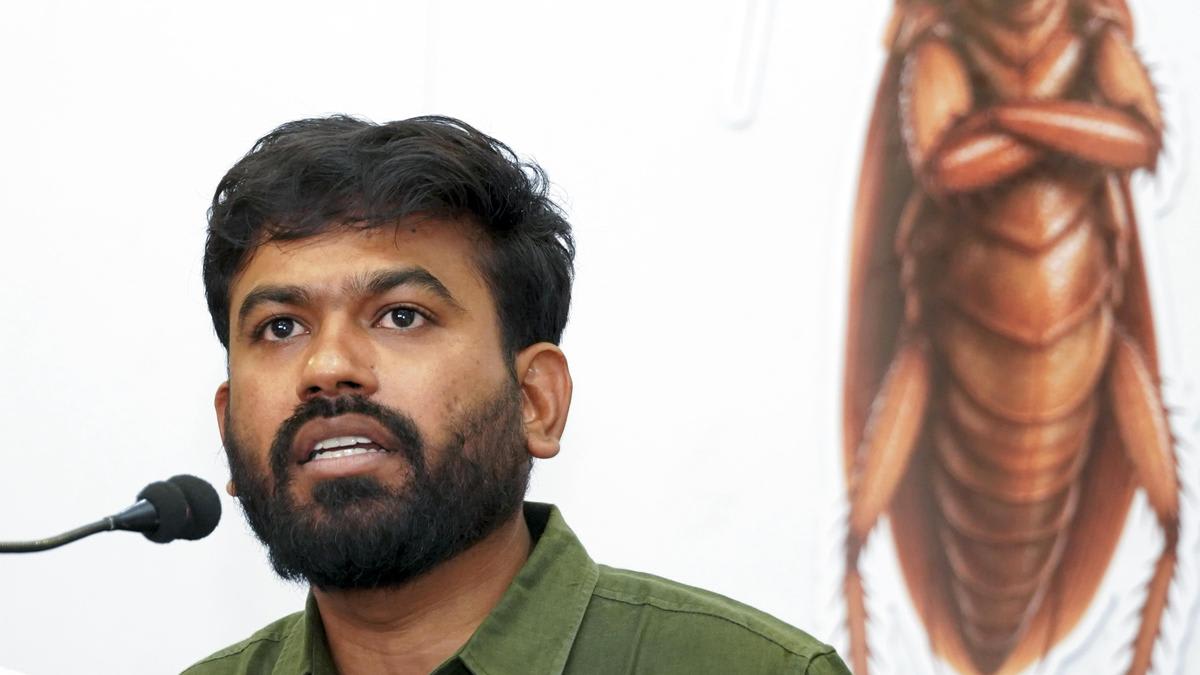
The Cockroach Janta Party (CJP), led by Abhijeet Dipke, is launching the 'Adivasi School Thik Karo' campaign in Gadchiroli on September 17. The initiative aims to address long-standing government neglect and infrastructure failures in tribal schools, following recent tragedies and judicial intervention.
Addressing Educational Neglect in Tribal Regions
The Cockroach Janta Party (CJP), under the leadership of founder Abhijeet Dipke, has announced the launch of the 'Adivasi School Thik Karo' (Fix Tribal Schools) campaign, scheduled to commence on September 17 in the Gadchiroli district of Maharashtra. This initiative serves as a targeted extension of the broader 'School Thik Karo' movement, which the organization initiated nationwide last month to address the deteriorating state of public educational infrastructure.
The Catalyst for Action
The urgency of this campaign is underscored by a series of tragic events within the tribal belts of Maharashtra. Recent reports indicate that three tribal children lost their lives due to snakebites at a government-aided ashramshala, a tragedy that has galvanized local activists and brought the issue of student safety to the forefront of public discourse. This incident, combined with ongoing hunger strikes by students across the state’s tribal regions, has highlighted the severe risks faced by marginalized students daily.
Historical Context and Government Apathy
Abhijeet Dipke has characterized the current state of tribal education as the result of 80 years of institutional neglect. By focusing the campaign on Gadchiroli, the CJP aims to expose the gap between policy promises and the harsh realities of inadequate facilities, limited access to education, and systemic discrimination. The organization plans to conduct direct inspections of infrastructure to document these failures, positioning the campaign as a watchdog initiative against administrative inertia.
Judicial and Societal Pressure
The launch of this campaign occurs alongside significant legal developments, including stern interventions from the Bombay High Court. A division bench, consisting of Acting Chief Justice Ravindra Ghuge and Justice Gautam Ankhad, has recently directed the state government to address the grievances of tribal students. This judicial pressure, combined with the CJP's grassroots activism, indicates a growing momentum for systemic reform in how the state manages tribal educational institutions.
Future Implications for Educational Policy
As the CJP moves forward with its inspections, the data collected will likely play a role in shaping public opinion and potentially influencing future administrative policies. If the campaign successfully highlights widespread infrastructure gaps, it may force a shift in government priorities regarding the allocation of resources for ashramshalas and rural schools. The success of this movement will depend on whether the CJP can translate its findings into sustained pressure that leads to tangible improvements in student safety and learning environments.
Conclusion
The 'Adivasi School Thik Karo' campaign represents a critical intersection of political activism and social welfare. By targeting the specific vulnerabilities of tribal education, the CJP is attempting to hold the government accountable for long-standing systemic failures. As the campaign unfolds in Gadchiroli, it remains a focal point for those monitoring the intersection of human rights, education, and political accountability in India.
Verification Required?