'Narendra’s Ongoing Trump Appeasement': Congress's dig at PM on UPI move
Source Entity
India Latest News: Top National Headlines Today & Breaking News | The Hindu
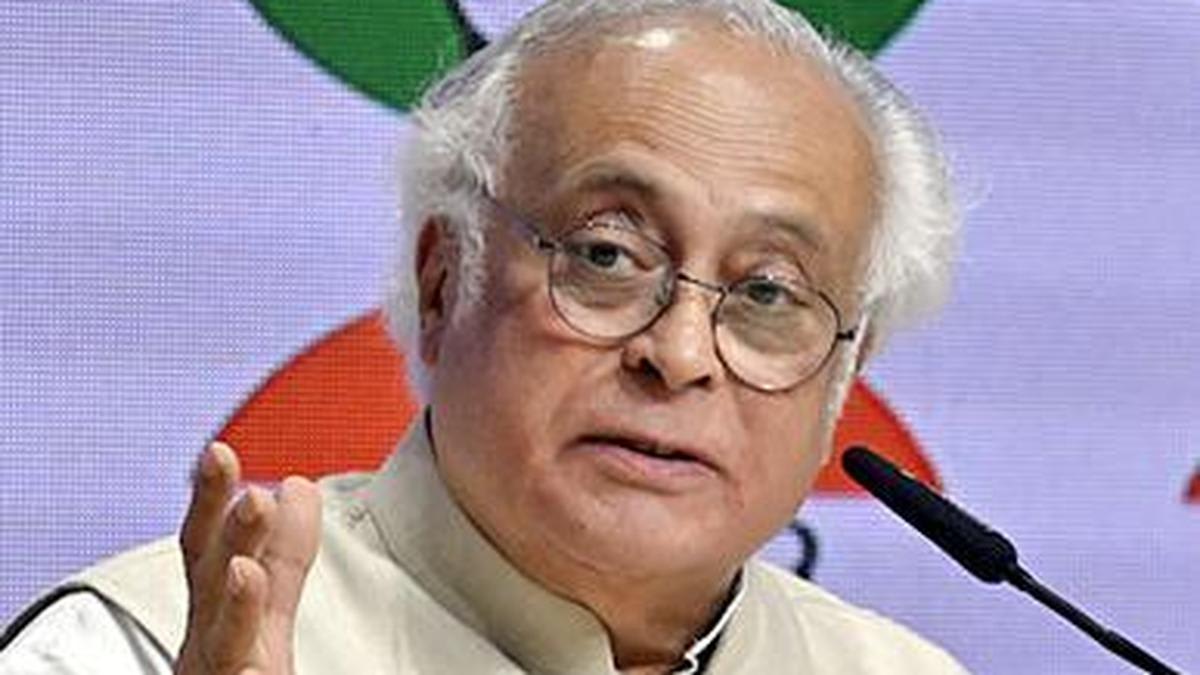
The Indian government's decision to introduce merchant fees on UPI transactions above ₹2,000 has sparked significant political and industry debate. Critics, including the Congress party and Ashneer Grover, have raised concerns regarding economic sovereignty and the ultimate impact on consumers.
The Shift in UPI Monetization: Policy and Controversy
The landscape of India’s digital payments ecosystem is undergoing a significant transformation with the introduction of a Merchant Discount Rate (MDR) on UPI transactions exceeding ₹2,000. Scheduled to take effect on October 15, the National Payments Corporation of India (NPCI) has outlined a structure where a 0.4% charge, capped at ₹300, will apply to specific transactions. Additionally, utility payments, fuel, insurance, and rail tickets will now attract a flat fee of ₹5. This move marks a departure from the long-standing 'zero MDR' regime that was instrumental in the rapid adoption of UPI across the country.
Political Backlash and Geopolitical Tensions
The announcement has ignited a sharp political confrontation. Congress general secretary Jairam Ramesh has labeled the move as an act of "Narendra’s Ongoing Trump Appeasement," alleging that the government is dismantling the zero-MDR policy to favor U.S.-based card companies. This criticism is framed against a backdrop of escalating trade tensions, specifically citing a U.S. House bill proposing 100% tariffs on Indian goods and tightening immigration policies, including increased H-1B visa costs. The opposition suggests that these economic policy shifts are concessions made to the current U.S. administration.
The 'End User' Debate
Industry experts and entrepreneurs have also weighed in on the economic implications. Ashneer Grover, co-founder of BharatPe, has challenged the government's stance that the merchant charge will not affect consumers. Grover argued that any levy on merchants, particularly for larger transactions, will inevitably be passed down to the end user, effectively functioning as a tax on digital consumption. While the government maintains that individual-to-individual transfers and auto-debit mandates remain free, the debate highlights the tension between maintaining a fee-free public good and the operational costs of sustaining a massive digital infrastructure.
Structural Details of the New Fee Regime
To ensure clarity, the NPCI has categorized the new charges. While person-to-person (P2P) transfers remain entirely free, the new MDR applies specifically to the merchant side of transactions. Retailers, online platforms, and restaurants are now faced with a choice: absorb these costs to maintain competitive pricing or pass them on to consumers. The flat fee structure for essential services like electricity, water, and fuel represents a shift in how the government intends to monetize the UPI platform for specific high-volume use cases.
Future Implications for Digital Payments
The introduction of these charges signals a maturing phase for the UPI ecosystem. As the platform scales, the challenge remains to balance financial viability with the goal of universal digital inclusion. The government’s move suggests a transition toward a more sustainable fiscal model for digital payments, yet the political and economic friction indicates that the path forward will be heavily scrutinized. Whether this policy will influence long-term consumer behavior or shift market share toward traditional card networks remains a critical trend to watch in the coming fiscal quarter.
Conclusion
The debate surrounding the UPI merchant fee is multifaceted, touching on national economic policy, international trade relations, and the burden of digital adoption. As the October 15 deadline approaches, the government must navigate the dual challenges of managing domestic criticism regarding consumer impact and addressing the broader geopolitical context of its trade and immigration relations with the United States.
Multiple Citing Sources
Verification Required?