Atmosphere ‘insecure’ in UP, even ministers forced to protest for justice: Congress
Source Entity
Latest News: Todays Latest News Headlines from India & World | Hindustan Times | Hindustan Times
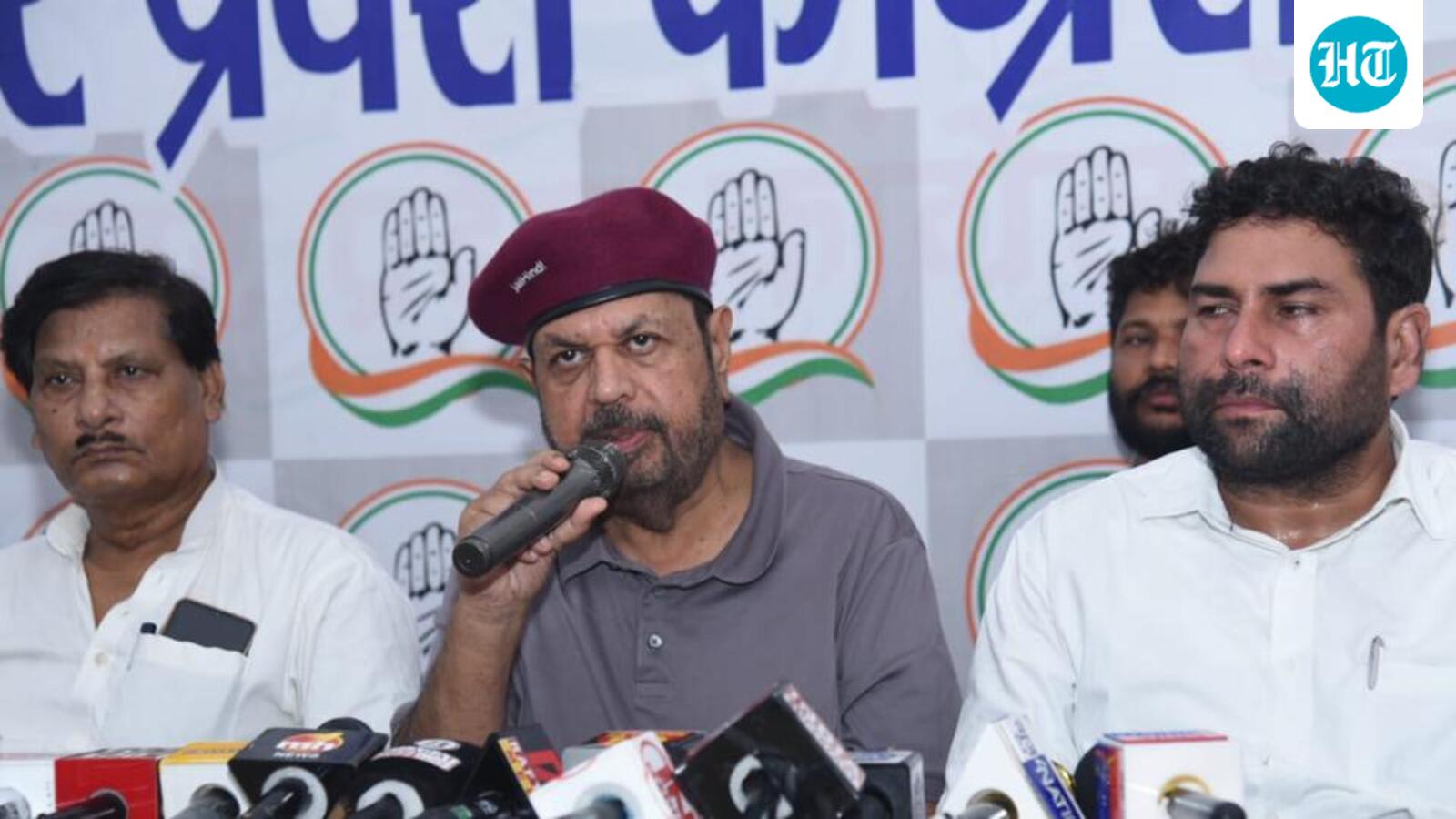
Congress leader Anil Jaihind has criticized the Uttar Pradesh government, alleging rampant social insecurity and targeted administrative actions against OBC and backward classes. He cited recent protests by state ministers as evidence of systemic governance failures.
Political Unrest and Allegations of Social Insecurity in Uttar Pradesh
Congress OBC wing national president Anil Jaihind recently launched a stinging critique of the Uttar Pradesh state government, characterizing the current atmosphere as one of profound social insecurity. During a press conference alongside colleague Manoj Yadav, Jaihind argued that the state's governance model has created a climate where even those within the ruling establishment find themselves compelled to protest for justice. This public airing of grievances highlights a growing tension regarding the administration's internal cohesion and its treatment of marginalized populations.
The 'Bulldozer' Policy and Marginalized Communities
Central to Jaihind’s critique is the controversial use of 'bulldozer' politics, which he claims is systematically weaponized against OBC and backward-class communities. According to the Congress leader, this administrative tactic—frequently framed by the government as an anti-encroachment or law-and-order measure—disproportionately targets the homes of the suppressed classes. By labeling this pattern as a targeted assault on specific demographics, the opposition is attempting to frame the state’s governance as inherently discriminatory rather than purely punitive against criminality.
Internal Dissent within the Ruling Party
One of the most notable aspects of this critique is the reference to internal friction within the state government. Jaihind pointed to specific instances where ministers, namely Sanjay Nishad and Rakesh Rathore 'Guru', were observed staging sit-ins to seek justice from their own administration. This internal rebellion serves as a potent rhetorical tool for the opposition, suggesting that if ministers themselves feel unheard or disenfranchised by the current leadership, the plight of the common citizen must be significantly worse.
Contradictions in 'Zero Tolerance' Rhetoric
Jaihind further challenged the state government’s public stance on 'zero tolerance' regarding crime. He argued that while the administration speaks volumes about maintaining order, the reality on the ground is marred by unchecked atrocities and public threats of violence. The allegation that murders have been committed following prior warnings suggests a breakdown in the state's ability to provide basic security, directly contradicting the government’s narrative of improved law and order.
Broader Implications for UP Politics
The ongoing discourse surrounding social insecurity and the treatment of OBC communities is likely to remain a flashpoint in Uttar Pradesh politics. As the Congress party intensifies its focus on the perceived alienation of backward classes, the government faces the dual challenge of defending its administrative policies while managing internal party dissent. The reliance on high-profile protests by ministers indicates that the political cost of these policies is being felt even within the corridors of power, potentially signaling a shift in how the state addresses its internal accountability mechanisms moving forward.
Verification Required?