Ayodhya Ram Temple row: Congress reiterates demand for independent inquiry, accuses BJP and RSS of ‘daylight dacoity’
Source Entity
India Latest News: Top National Headlines Today & Breaking News | The Hindu
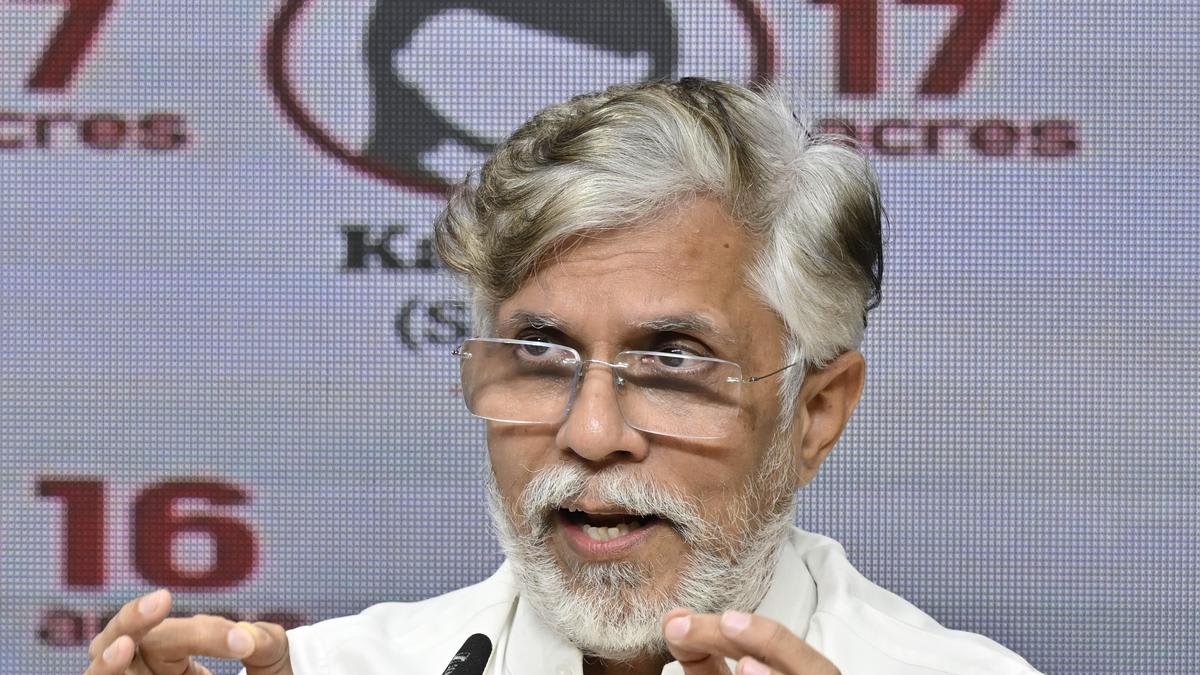
Congress leader Pawan Khera demands a ‘complete forensic audit' of accounts, donations, offerings and land deals
Political Friction Over Faith and Finance: The Demand for a Ram Temple Audit
The political landscape in India has witnessed a sharp escalation in rhetoric as the Indian National Congress has officially demanded an independent inquiry into the financial management of the Ayodhya Ram Temple. Congress leader Pawan Khera has leveled severe accusations against the Bharatiya Janata Party (BJP) and the Rashtriya Swayamsevak Sangh (RSS), describing the handling of temple resources as "daylight dacoity." This demand for a "complete forensic audit" targets several key areas: the accounts of donations, the management of offerings, and the specifics of land deals associated with the temple complex.
The Core of the Allegations
At the heart of Pawan Khera's demand is the pursuit of transparency regarding the massive influx of capital that has flowed into the Ram Temple project. By calling for a forensic audit, the Congress party is not merely questioning the bookkeeping but is suggesting a systemic misappropriation of funds. The term "daylight dacoity" implies that the alleged financial irregularities are blatant and occur with a sense of impunity. The focus on land deals is particularly critical, as the acquisition and allocation of land in the vicinity of the temple have significant economic value, leading to suspicions of cronyism or illicit profiteering.
Broader Political and Ideological Implications
This development represents a strategic shift in how the opposition handles the Ayodhya narrative. While the Ram Temple has historically been a point of ideological and legal contention, the Congress party is now pivoting toward a narrative of governance and accountability. By framing the issue as one of financial corruption rather than religious opposition, the Congress aims to appeal to a broader electorate that values transparency and the rule of law. This approach attempts to undermine the BJP's image as the primary custodian of Hindu faith by suggesting that the spiritual sanctity of the project is being compromised by financial greed.
Historical Context of Temple Management
To understand the weight of these allegations, one must look at the historical context of religious trusts in India. Large-scale religious institutions often manage vast sums of money with varying degrees of oversight. The transition of the Ayodhya site from a contested legal battle to a managed trust under the guidance of the central government has created a centralized power structure. The Congress's demand for an independent inquiry reflects a deeper skepticism about the overlap between the governing party (BJP), the ideological parent organization (RSS), and the administration of the temple trust.
Potential Future Trends and Legal Ramifications
Looking forward, this demand is likely to trigger a cycle of intense political volatility. It is probable that the BJP will dismiss these claims as politically motivated attempts to malign a sacred project. However, if the Congress continues to push for a judicial or independent audit, it could lead to legal petitions in higher courts. Such a move would force a public disclosure of financial records, which could either vindicate the temple trust or provide the opposition with empirical evidence to fuel a larger campaign against the current administration's integrity.
Conclusion
The demand for a forensic audit of the Ayodhya Ram Temple signifies a convergence of faith, finance, and political warfare. By accusing the BJP and RSS of financial misconduct, the Congress party is attempting to transform a symbol of religious triumph into a case study of alleged administrative corruption. Whether this leads to a tangible investigation or remains a tool for political signaling, it highlights the enduring volatility of the Ayodhya issue in Indian politics, where the sacred is frequently entangled with the secular struggle for power.
Verification Required?